
Role of Counsel

Guides youth defenders on how to screen for SIJS eligibility and obtain a SIJS predicate order in juvenile court to support a young person’s application for immigration relief.
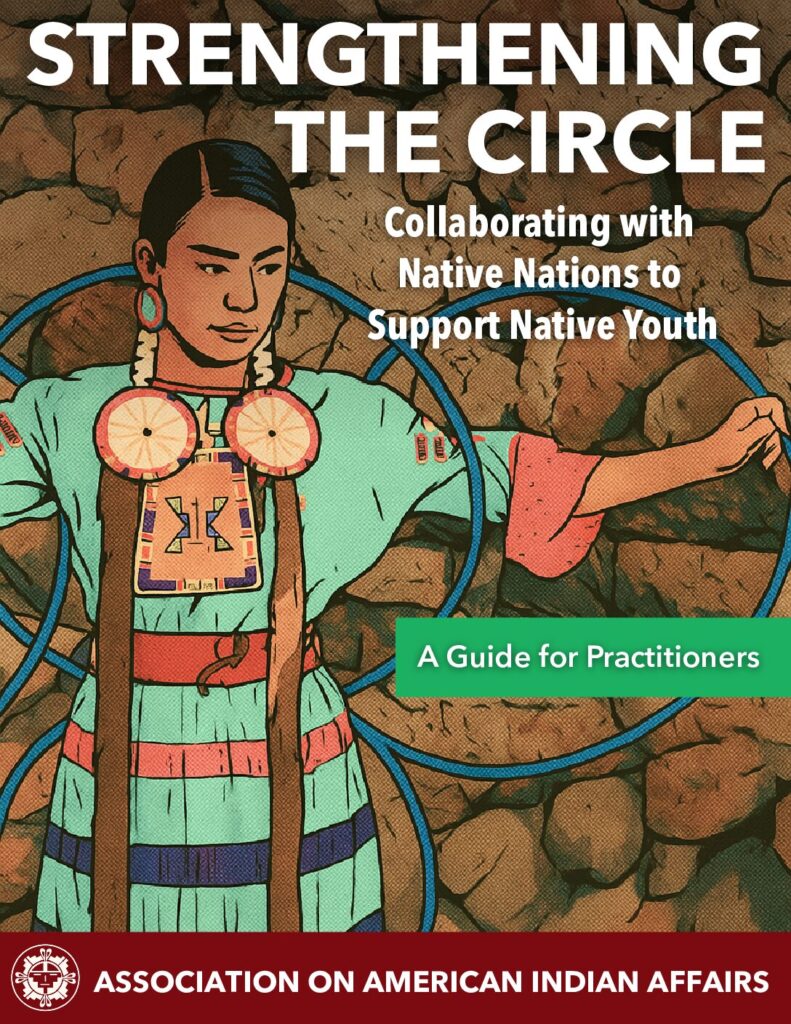
From the Introduction, developed by the Association on American Indian Affairs: “This guide offers practical, real-world tips to help you work more effectively with Native youth involved in the justice system. It explains why working with Native Nations is not only important—but also different from working with other agencies or partners in your county or…

This Essay, written by HyeJi Kim at the Gault Center, details the role of youth defenders in abolition. The Essay offers five entry points for youth defenders to embrace an abolitionist ethos to build toward a horizon of interdependence: This Essay is written both in honor of the youth defense community and for the youth…
This video, developed by youth leaders at Progeny, highlights key findings from the Five Years Later: An Update on the Kansas Youth Defense Assessment report. This video is part of the Defending Futures: Youth Defense for All in Kansas campaign to establish a statewide youth defense system and highlights the importance of building strong youth…
From the Abstract: “Interrogation techniques are influenced by the interrogator’s style and the individual being interviewed. Most law enforcement agencies use adult-centered interrogation methods, leading to suboptimal results when working with youth. The research has focused on youth offenders in the interrogation room and the choices they make, often leading to false confessions when an…


This is a sample “youth report to the court” document (created by a Juvenile Court Judge in Iowa), for youth who are currently under the juvenile court jurisdiction. This report is provided to young people when they appear in court, asking if they would like the space to share pertinent information and ask questions of…

From the abstract: “Attorneys who can recognize and respond to trauma and stress, in both their clients and in themselves, are better positioned to provide effective advocacy and help shape a more restorative legal practice. As clients and communities face mounting pressure amid growing social, economic, climate, and systemic challenges, legal education must evolve to…

The Gault Center released an update on the state of youth defense in Kansas, which centers the perspectives and experiences of young people impacted by the juvenile legal system, through a collaborative effort with Progeny, a youth-adult partnership in Kansas, TerraLuna Collaborative, a research consulting group, and Mulberry Art Gallery, which focuses on supporting emerging…

Offers an overview of the rights of noncitizen youth and strategies for youth defenders to safeguard these rights and mitigate harm throughout the course of representing youth in juvenile court.


From the abstract: “This paper explores the inequitable treatment of the Intellectually and Developmentally Disabled and Autistic (IDD/A) population in the criminal justice system. Although progress has been made over the past century with understanding the unique needs of this population, they still face challenges at all stages of the criminal justice system. Behavioral, social…


These FAQs are intended to clarify the role and obligations of the youth defender in juvenile court.

An introduction to the role and obligations of the juvenile defender at disposition in juvenile court.

The Principles that follow are developed to describe the unique and critical role juvenile defense attorneys play in juvenile proceedings. Hundreds of interviews with juvenile justice system stakeholders reveal that the juvenile defense attorney’s role is perceived differently by different courtroom actors.

Abstract: “Nearly sixty years ago, In re Gault guaranteed children in juvenile court the right to counsel. However, Gault fell short. While recognizing children’s distinct vulnerability, the Court created a right for children that is weaker than that of adults and failed to recognize how youth in fact require a more expansive right to counsel. Grounded in the stories of…


In State v. K.A.B., the Court of Appeals of Washington held that the youth was entitled to a new capacity hearing based on defense counsel’s failure to thoroughly present a diminished capacity defense and the juvenile court’s application of an incorrect standard for capacity to commit a crime. The court offered the following language in support: “We reverse K.A.B.’s conviction because she received ineffective assistance of counsel. We…

This resource is part of the Youth Defender Advocacy Program (YDAP) curriculum, a specialized trial advocacy training program for youth defenders.

From the introduction: “This manual was originally created in 2005 to provide defense attorneys in juvenile court with a general guide to appropriate and zealous advocacy on behalf of young people in juvenile court. Since that time, much has changed in juvenile defense, both nationally and here in Georgia. Nationally, the U.S. Supreme Court has…
