The Making of a Juvenile Record: The Insidious Consequences of Criminalizing Race, Adolescence, Disability, and Trauma
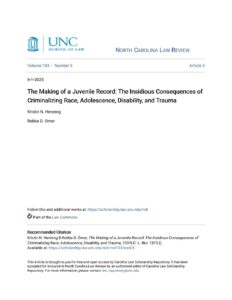
Professor Kris Henning and Rebba Omer authored a law review article on decriminalizing normal adolescent behaviors, race, and disabilities. This article maps a way forward for all system actors in the juvenile legal system to mitigate and buffer against the harms of juvenile legal system involvement for youth with disabilities. Specifically, this article outlines youth…
Read MoreFacial Recognition AI

From the abstract: “The integration of algorithmic decision making and artificial intelligence (“AI”) into facial recognition technology poses new, unprecedented risks to privacy and individual autonomy rights, particularly in urban settings. The murder of Brian Thompson, CEO of UnitedHealthcare, in New York City on December 4, 2024, provides a timely case study to examine the…
Read MoreFalse Criminalization and the Erosion of Community Equity
From the abstract: “The ever-expanding yet increasingly amorphous nature of criminal records is a driver of inequity in America. Criminal records are a significant barrier to community participation. They impact whether you can vote or serve on a jury, where you can live, and if you can work. And as criminal records become more easily…
Read MoreClean Slate, Dirty Data – An Audit of Algorithmic Automated Criminal Expungement Laws

From the abstract: “Automatic criminal record restriction laws, which suppress records at the initiative of the state, rather than the individual, present a promising new way to provide second chances to the one in three American adults that live with a criminal record. Buoyed by the success of drug legalization measures and the “Clean Slate”…
Read MoreSurvivors Behind Bars: The Criminalization of Abuse, Assault, and Human Trafficking Victims and the Need for a Trauma-Informed Approach

A Call for Trained, Trauma-Informed Attorneys to Represent and Support Unaccompanied Children in Removal Proceedings by Petitioning for Special Immigrant Juvenile Status
Annotated Bibliography: 4th Amendment
This resource is part of the Youth Defender Advocacy Program (YDAP) curriculum, a specialized trial advocacy training program for youth defenders.
Read More2025 Disposition Lesson Handout
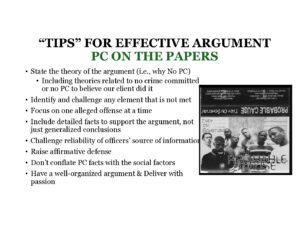
Tips for PC Arguments on the Papers
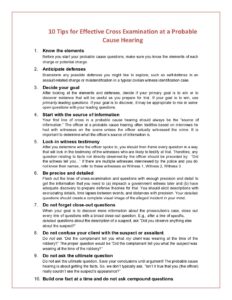
Tips for Evidentiary PC Hearings
Practice Advisory: Considerations in Asylum Claims for Transgender People

Practice Alert: Protecting Noncitizens from Expedited Removal and Immigration Court Arrests
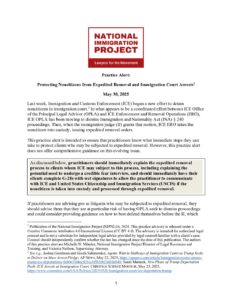
From the document: “This practice alert is intended to ensure that practitioners know what immediate steps they can take to protect clients who may be subjected to expedited removal. However, this practice alert does not offer comprehensive guidance on this evolving issue. “
Read MoreNew England Sex Offense Registration Guide

This guide was developed by the Gault Center New England Region and offers key insights on sex offense registration requirements for youth based on the practice and experience of youth defense practitioners in New England states.
Read MoreWhy We Should Unbundle the Police

State v. Fillo, 2025 Wash. App. LEXIS 981 (Wash. Ct. App. 2025)

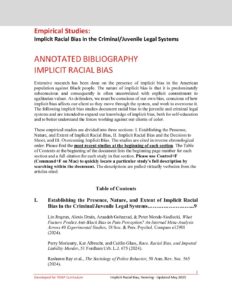
Annotated Bibliography: Implicit Racial Bias Studies
This resource is part of the Youth Defender Advocacy Program (YDAP) curriculum, a specialized trial advocacy training program for youth defenders.
Read MoreAnnotated Bibliography: Stereotype Threat
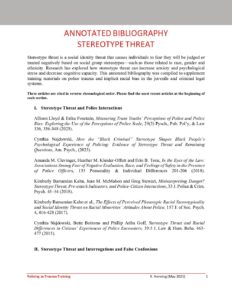
This resource is part of the Youth Defender Advocacy Program (YDAP) curriculum, a specialized trial advocacy training program for youth defenders.
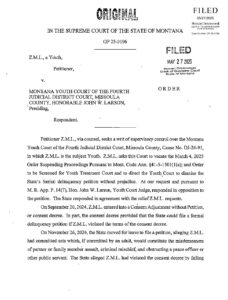
Read MoreZ.M.L. v. Mont. Youth Court, 2025 Mont. LEXIS 566 (Mont. 2025)
Protections Against Immigration Enforcement from Court Orders: Know Your Rights and Fight Back!

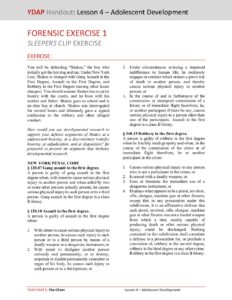
Adolescent Development – Forensic 1
Reform’s Oversight: The Limits of Youth Restitution

From abstract: Over the past decade, dozens of state and local jurisdictions across the country and political spectrum have ended fines and fees in juvenile courts. One monetary sanction, however, is routinely left out of reform efforts: victim restitution. Unlike most fines and fees, youth restitution—paid to victims or harmed parties for economic loss or…
Read More