
Alternatives to Incarceration
On March 26, 2026, the Gault Center & Youth Empowerment for Advancement Hangout (YEAH Philly) hosted a webinar on Revolutionizing Probation from Punishment to Community-Led Safety. This webinar focused on shifting narratives around juvenile probation—to challenge the dominant rhetoric that probation is an act of benevolence that keeps youth and communities safe and to bring…
This report from the Sentencing Project provides an overview of restorative justice (‘RJ’) diversion programs including research on the results of these programs, the advantages of RJ diversion programming over court involvement, benefits to victims, and recommendations for implementing RJ programs. From the Executive Summary: “Restorative justice (RJ) diversion programs address adolescent lawbreaking outside the court system using a process designed to address victims’ needs and repair the harm caused by youth misconduct.…

On March 26, 2026, the Gault and Youth Empowerment for Advancement Hangout (YEAH Philly) co-hosted a webinar on Revolutionizing Probation from Punishment to Community-Led Safety. This resource includes PowerPoint presentations from the Gault Center covering the history and youth experiences on juvenile probation, YEAH Philly highlighting meaningful community-based alternatives, and the Institute of Women & Ethnic…
Summarizes what young people are saying about juvenile probation and offers a visual timeline highlighting the historical lineage of probation as a form of racialized social control.
Examines young people’s experiences on juvenile probation and the racialized history of juvenile probation in our country.

The National Institute for Criminal Justice Reform released a report spotlighting promising examples of credible messenger and intensive life-coaching programs to reach youth charged with serious offenses. “This brief argues that the next phase of youth justice reform must focus on intentionally and effectively serving HR2 youth. Doing so will require moving beyond strict replication…
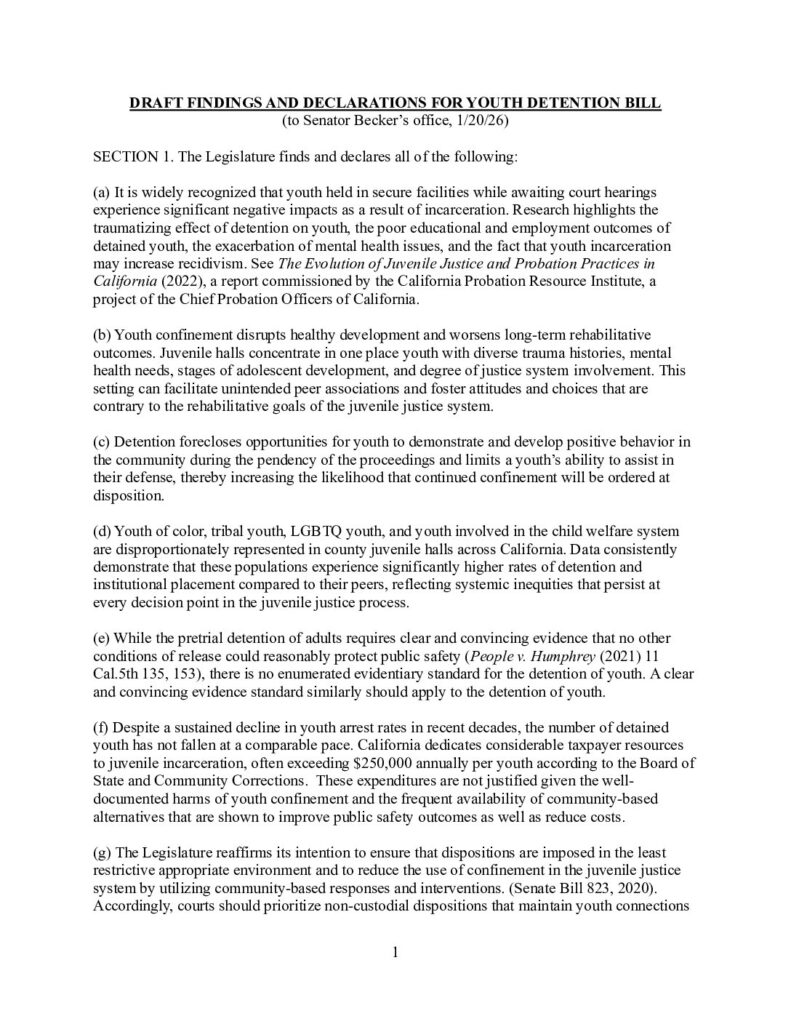
This proposed draft of a legislative “findings and declarations” document for a youth detention and disposition reform bill in California affirms the legislature’s commitment to make placement in juvenile detention “the exception, not the rule.” The draft findings rely on research regarding the impact of detention on young people, racial justice, developmental science, and California…
“This Article reconceptualizes preventive justice—the public safety paradigm that seeks to prevent harm before it occurs. Scholars have long documented how cities have advanced this paradigm through largely punitive measures, notably variants of broken windows policing, which posit that aggressive misdemeanor enforcement deters more serious crime. Yet in the aftermath of the 2020 George Floyd…
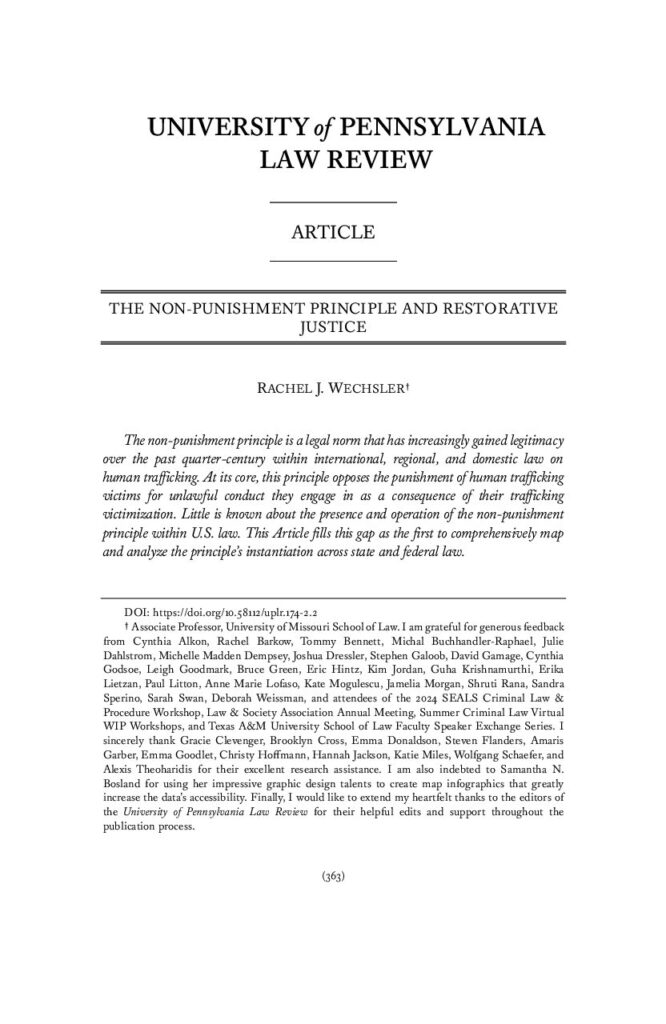
“The non-punishment principle is a legal norm that has increasingly gained legitimacy over the past quarter-century within international, regional, and domestic law on human trafficking. At its core, this principle opposes the punishment of human trafficking victims for unlawful conduct they engage in as a consequence of their trafficking victimization. Little is known about the…

This memorandum proposes language for a detention and disposition reform bill in California. The memorandum proposes four areas the detention reform bill aims to change including: 1) clarifying the legal standard for pre-adjudication detention of youth, 2) clarifying the juvenile court’s authority to determine whether pre-adjudication detention is still necessary, 3) clarifying the standard at…
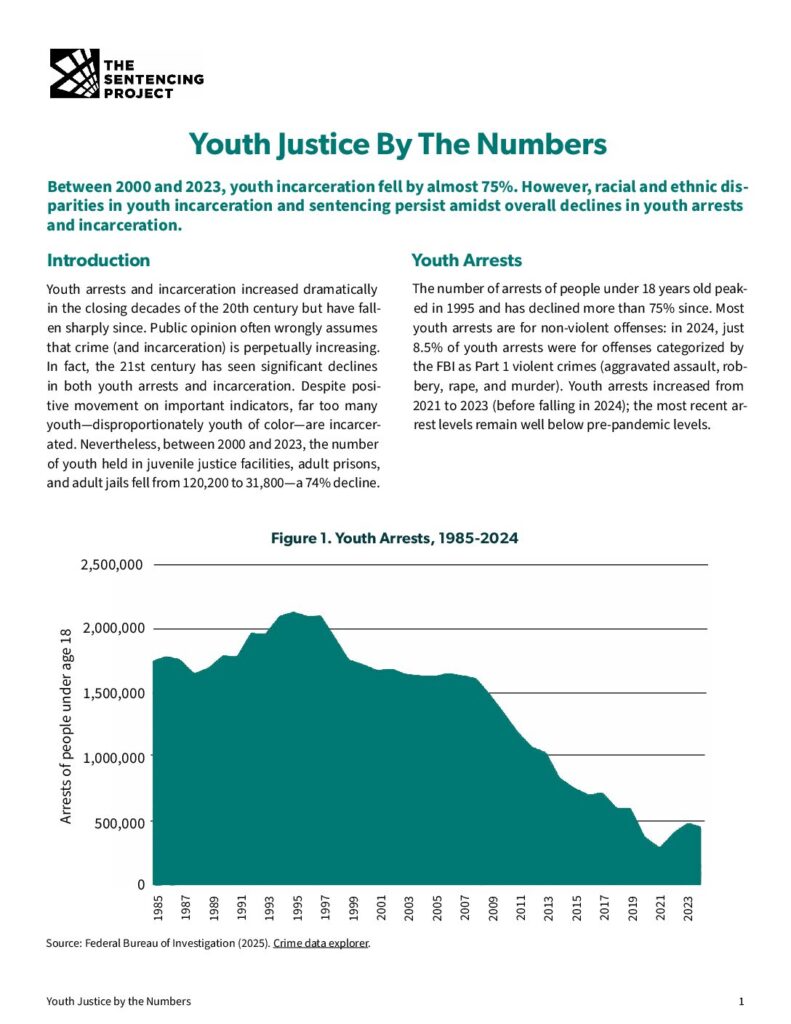
The Sentencing Project released an updated snapshot of the numbers of youth in the juvenile legal system from 2000 to 2023, finding significant declines in youth arrests and incarceration, though racial and ethnic disparities persist. The report calls for the need to continued shrinking the juvenile legal system by increasing informal or diversionary responses to youth arrests. Introduction: “Youth arrests and incarceration increased dramatically in the closing…
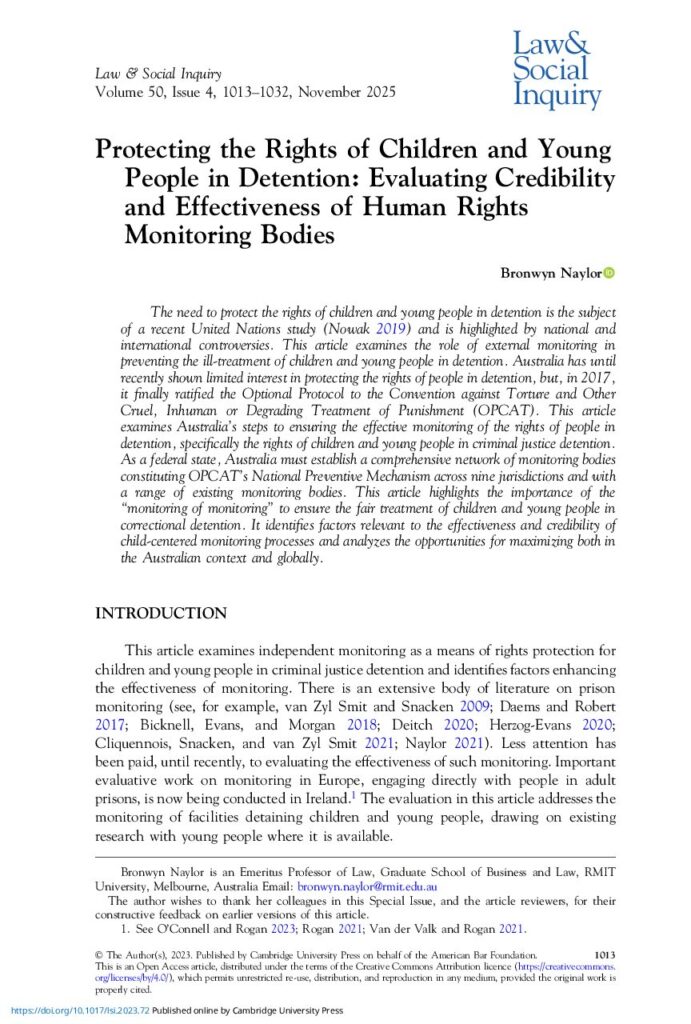
“The need to protect the rights of children and young people in detention is the subject of a recent United Nations study (Nowak 2019) and is highlighted by national and international controversies. This article examines the role of external monitoring in preventing the ill-treatment of children and young people in detention. Australia has until recently…
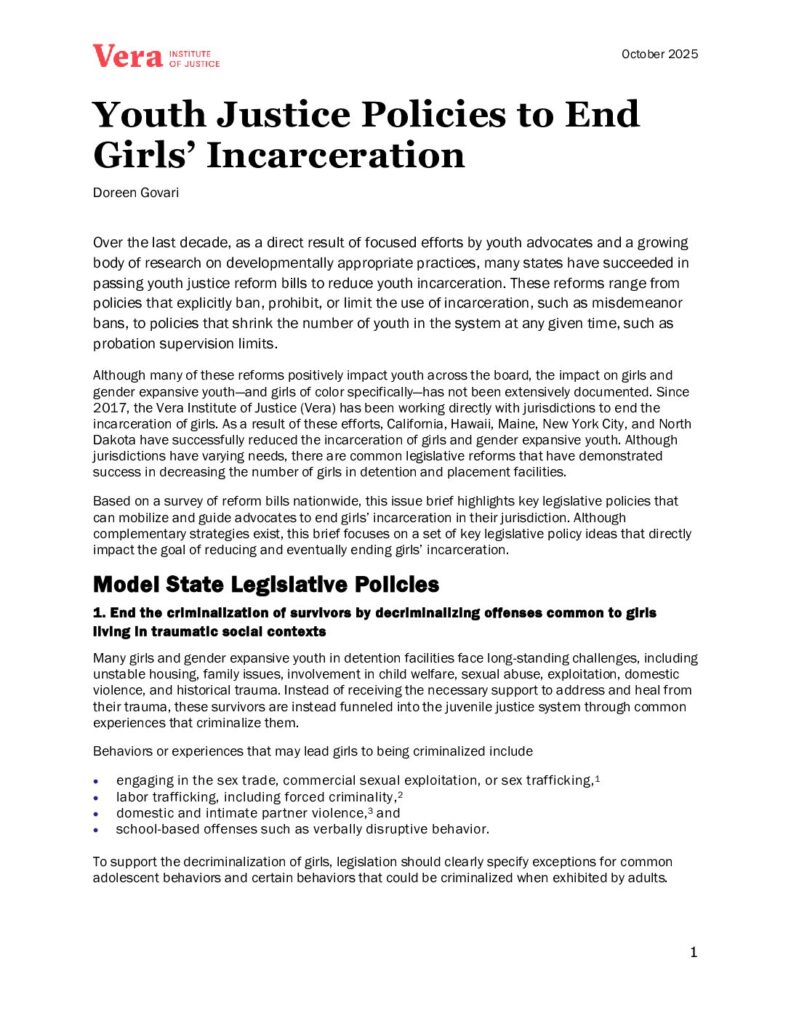
This report from Vera Institute for Justice provides examples of reforms from various states that are working to reduce the incarceration of girls in detention and long-term placement. “Over the last decade, as a direct result of focused efforts by youth advocates and a growing body of research on developmentally appropriate practices, many states have…

This memo from Fenton Communications Agency provides youth advocates with messaging strategies to respond to the D.C. Crimes Act and the Juvenile Sentencing Reform Act pending in Congress. The memo includes succinct responses to questions posed about public safety, youth crime, and transfer laws. The memo also provides suggested talking points on tone and relevant…

This report highlights D.C. transfer laws and discusses the current U.S. Attorney’s argument that the District of Columbia should amend its law to transfer more young people to to adult court. The report compares D.C.’s transfer law to transfer laws across the country and highlights decades of research that has concluded transfer laws do not…

Provides tangible opportunities probation officers have to support positive youth development equitably for all youth, regardless of immigration status and circumstances beyond a young person’s control.

A companion checklist for probation officers, walking through key considerations when working with noncitizen youth.
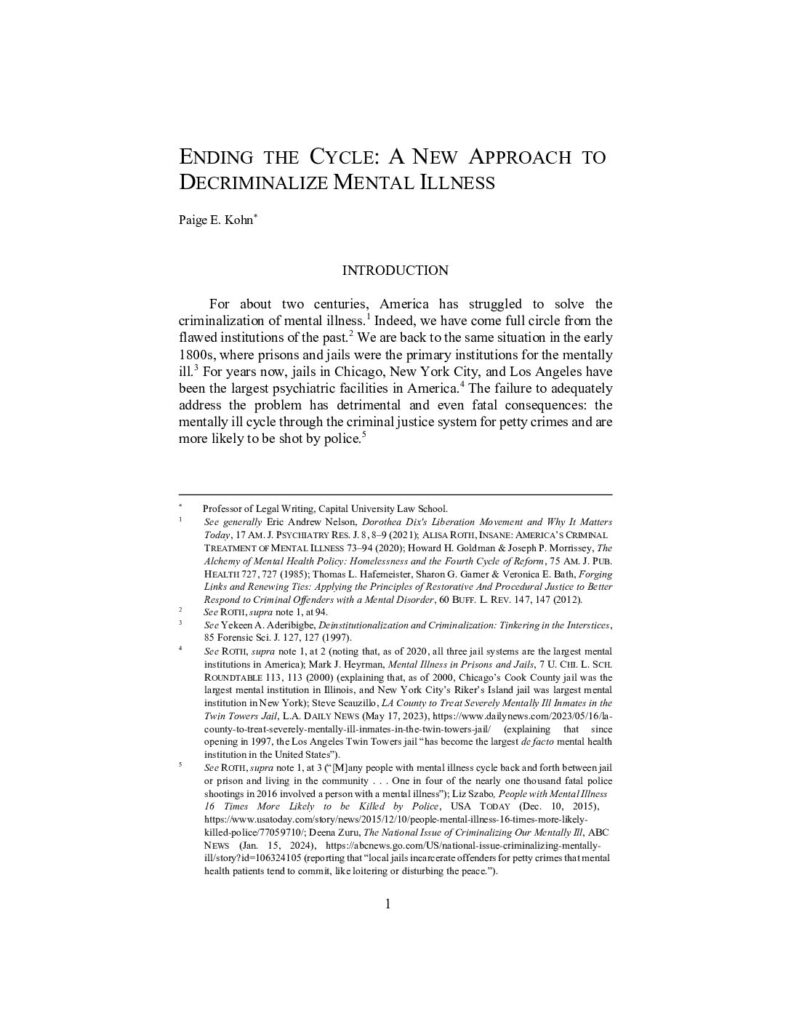
“Today, America faces a health paradox: the nation’s largest jails are the nation’s largest psychiatric institutions. In a criminal justice system designed for punishment, solutions like mental health units or mental health courts try to address this contradiction. Yet, if mental illness is a health issue, and not a criminal issue, then increased investments in…

This report from the National Center for Youth Law examines the emerging policies across the United States that are likely to reverse the downward trend of youth incarceration rates.


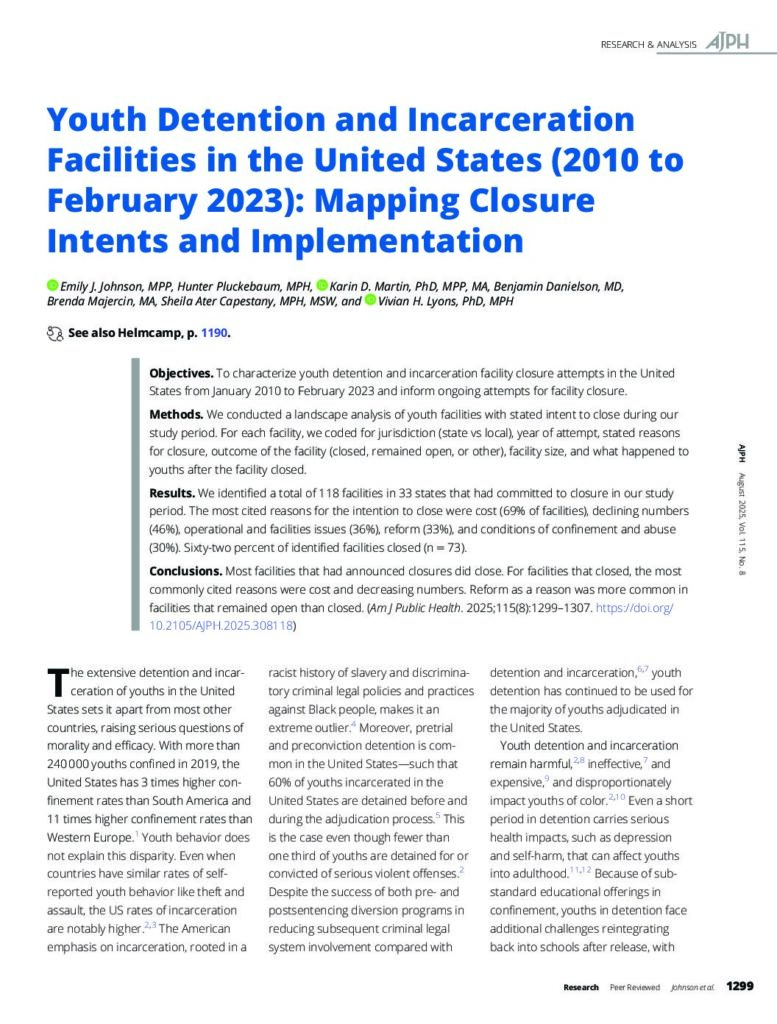
From the Discussion: “This study illuminates pathways for future research to explore facility closures. Such research should investigate the impact of specific drivers supporting completed closures of youth facilities, including the combination of stated reasons to appeal to different audiences. Notably, we only found 1 paper in our scoping review that explores the strategies used…
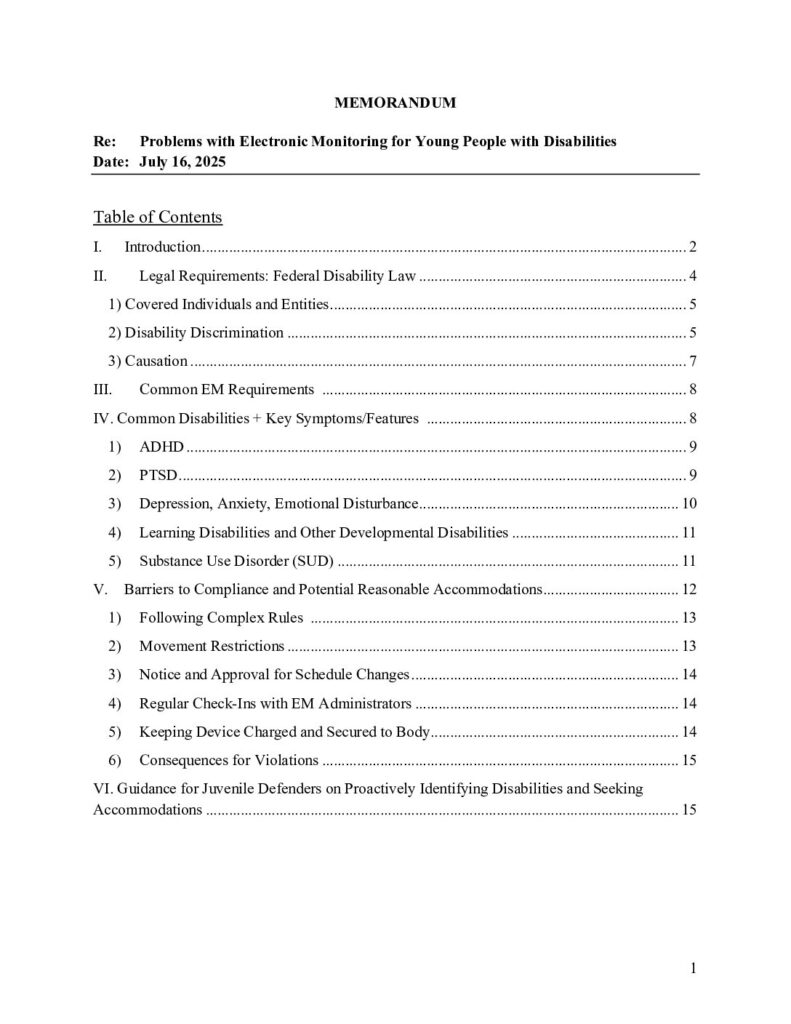
This memorandum from the American Civil Liberties Union provides litigation strategies for defenders challenging electronic monitoring conditions for young people with disabilities. From the Introduction to the memorandum: “Overall, this research project/memo aims to reduce the use of EM for kids with disabilities. Although there is no straightforward disability or accommodations-related argument for ending EM…
