
Quality of Representation

These principles are developed as a resource to help defenders and other juvenile court professionals understand the elements of effective detention advocacy on behalf of indigent juvenile clients. Defenders can be at a distinct disadvantage at the detention determination, whether it is at the beginning of the case, when indigent defense counsel often has the…

Hidden Injustice represents the first effort to examine the experiences of LGBT youth in juvenile courts across the country. The report is based on information collected from 414 surveys and 65 interviews with juvenile justice professionals, including judges, defense attorneys, prosecutors, probation officers, detention staff, and other juvenile justice advocates; focus groups and interviews of…
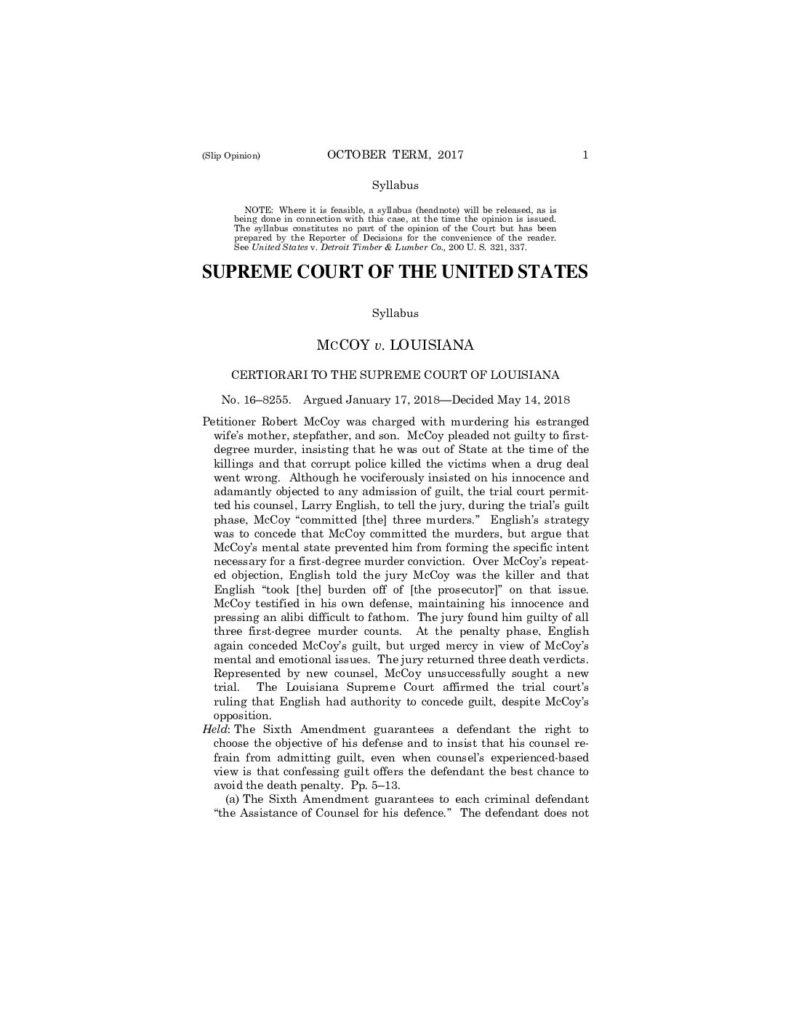

Creates a case for holding states liable for abdicating their duty to ensure that all children have zealous representation.

From the abstract: “This Article considers an approach to pretrial reform focused on improving the quality of defense counsel. In Philadelphia, a substantial fraction of people facing criminal charges are detained following rapid preliminary hearings where initial release conditions are set by bail magistrates operating with limited information. Beginning in 2017, the Defender Association of…

Limited Justice: An Assessment of Access to and Quality of Juvenile Defense Counsel in Kansas (2020)
This assessment of access to counsel and quality of representation for Kansas youth is part of a nationwide effort to systematically review and provide information about the provision of defense counsel in delinquency proceedings. The purpose of a state assessment is to provide policymakers, legislators, defense leadership, and other stakeholders with a thorough understanding of…

The purpose of a state assessment is to provide policymakers, legislators, defense leadership, and other stakeholders with a thorough understanding of children’s access to counsel in the state, to identify structural and systemic barriers that impede effective representation of children, to analyze how fee and cost structures inhibit young people’s access to justice, to highlight…

This assessment of access to counsel and quality of representation for New Hampshire’s youth is part of a nationwide effort to systematically review and provide information about the provision of defense counsel in delinquency proceedings. The purpose of a state assessment is to provide policymakers, legislators, defense leadership, and other stakeholders with a thorough understanding…

This assessment report provides an overview of Michigan’s system of juvenile defense. It examines the extent to which youth in delinquency court are provided with well-qualified and effective counsel at all critical stages and addresses systemic barriers that may impede effective representation and hamper due process and equal protection of the law. It measures structure,…


The National Juvenile Defender Center (NJDC), in partnership with our regional juvenile defender centers and other key stakeholders, has embarked on a nationwide strategy to assess access to and quality of juvenile defense afforded to youth in conflict with the law. Because juvenile justice systems are a state and local responsibility, rather than a federal…

NJDC’s expert investigators visited Delaware’s three counties, where they conducted interviews with ODS staff and other juvenile court stakeholders, observed delinquency proceedings, and obtained information and reports from the Delaware Family Courts. Investigators also completed a statutory review of the state’s court rules, laws, and proposed legislation. It was readily apparent that those responsible for…

On December 14, 2016, the U.S. Department of Justice entered into a settlement agreement with the St. Louis County Family Court to remedy constitutional violations. The settlement agreement covers policies and practices to ensure the due process and equal protection rights of all youth are upheld. This includes early appointment of youth defense counsel, prohibition…

On July 31, 2015, the U.S. Department of Justice released its investigation findings into the St. Louis County Family Court, finding due process and equal protection violations. The findings include right to counsel violations by denying constitutionally adequate defense representation, privilege against self-incrimination violations by requiring a child to admit to allegations for diversion, inadequate…

On March 13, 2015, the U.S. Department of Justice filed a Statement of Interest in a lawsuit challenging the deprivation of children’s right to meaningful representation in the Cordele Judicial Circuit of Georgia. In upholding the constitutional necessity of youth defense specialization, the DOJ asserted, “The right to counsel means more than just a lawyer…
The Campaign for the Fair Sentencing of Youth issued Trial Defense Guidelines for representing youth facing a possible life sentence. “The objective of these guidelines is to set forth a national standard of practice to ensure zealous, constitutionally effective representation for all juveniles facing a possible life sentence (“juvenile life”) consistent with the United States…


On August 14, 2013, the U.S. Department of Justice filed a Statement of Interest in a federal lawsuit challenging deprivations of the right to counsel on misdemeanor cases in two cities in Washington. In calling for an independent monitor, the DOJ asserted, “First, a public defender must have the authority to decline appointments over the…

On August 14, 2013, the U.S. Department of Justice filed a Statement of Interest in a federal class action lawsuit on the constructive denial of counsel in criminal proceedings within five counties in New York. The DOJ asserted, “The provision of defense services is a multifaceted and complicated task. To guide the defense function, the…

The Kentucky Court of Appeals vacated a young person’s conviction in adult court based on ineffective assistance of counsel during the transfer hearing. Noting transfer as a critical stage in the proceeding and defense counsel’s failure to present any lay or expert witnesses and effectively cross-examine the prosecution’s witnesses, the court concluded that the transfer…

From the abstract: “Despite the promise of Gideon, providing “the guiding hand of counsel” to indigent defendants remains unmanageable, largely because the nation’s public defender offices are overworked and underfunded. Faced with overwhelming caseloads and inadequate resources, public defenders must engage in triage, deciding which cases deserve attention and which do not. Although scholars have…

While Missouri stands out for its innovation in providing small, regionalized juvenile corrections programs, an effective juvenile justice system is not built solely upon the corrections options available to youth after they have navigated their way through a complex legal process. An effective juvenile justice system must encompass the foundational elements of fundamental fairness and…

On December 17, 2012, the U.S. Department of Justice entered into a settlement agreement with Shelby County and the Juvenile Court of Memphis and Shelby County in Tennessee following their investigation into the juvenile court system. The settlement agreement includes remedial measures to align the following practices with the U.S. Constitution: probable cause determinations, notice…

Expert Affidavit of Susan L. Burrell on Standards of Competence in the Legal Representation of Youth
Expert Affidavit of Susan L. Burrell for a young person’s case in Colorado claiming ineffective assistance of counsel. The claims included a failure to fulfill basic duties to the client, failure to investigate, failure to retain expert witnesses, and a failure to assure that a plea was voluntary, knowing and intelligent.
- « Previous
- 1
- 2
- 3
- 4
- Next »
