
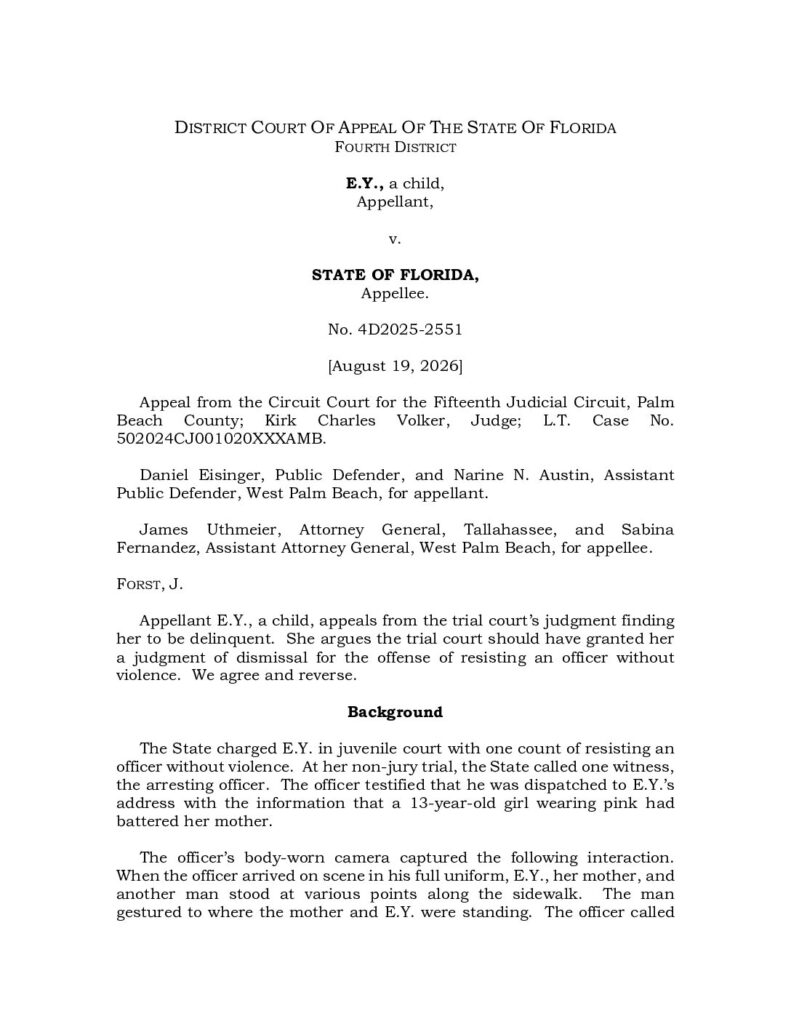
The Florida 4th District Court of Appeal reversed a delinquency adjudication of resisting an officer based on insufficient evidence. The court stated in relevant part: Here, the State’s evidence was insufficient to prove that E.Y. had taken any action which constituted obstruction or resistance of the officer’s lawful duty. The trial court was right to…
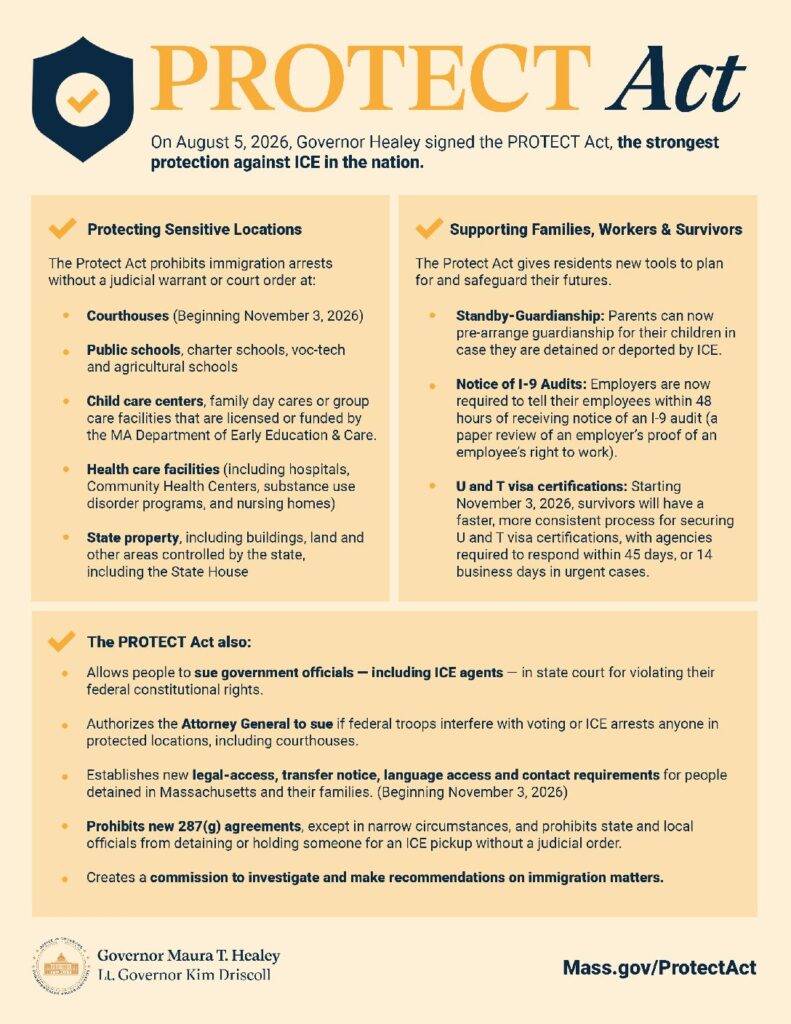
This infographic by the Massachusetts Office of the Governor outlines the key provisions of the PROTECT Act, which was signed into law on August 5, 2026. The Protect Act prohibits immigration arrests without a judicial warrant or court order at courthouses and allows people to sue government officials – including ICE agents – in state…
The Gault Center and Juvenile Law Center filed an amicus brief in the Second Circuit Court of Appeals involving New York Police Department’s collection and storage of DNA. From the summary of argument: Amici write in support of Appellant to address the particularly harmful impact that Appellees’ DNA collection and storage practices have on children,…
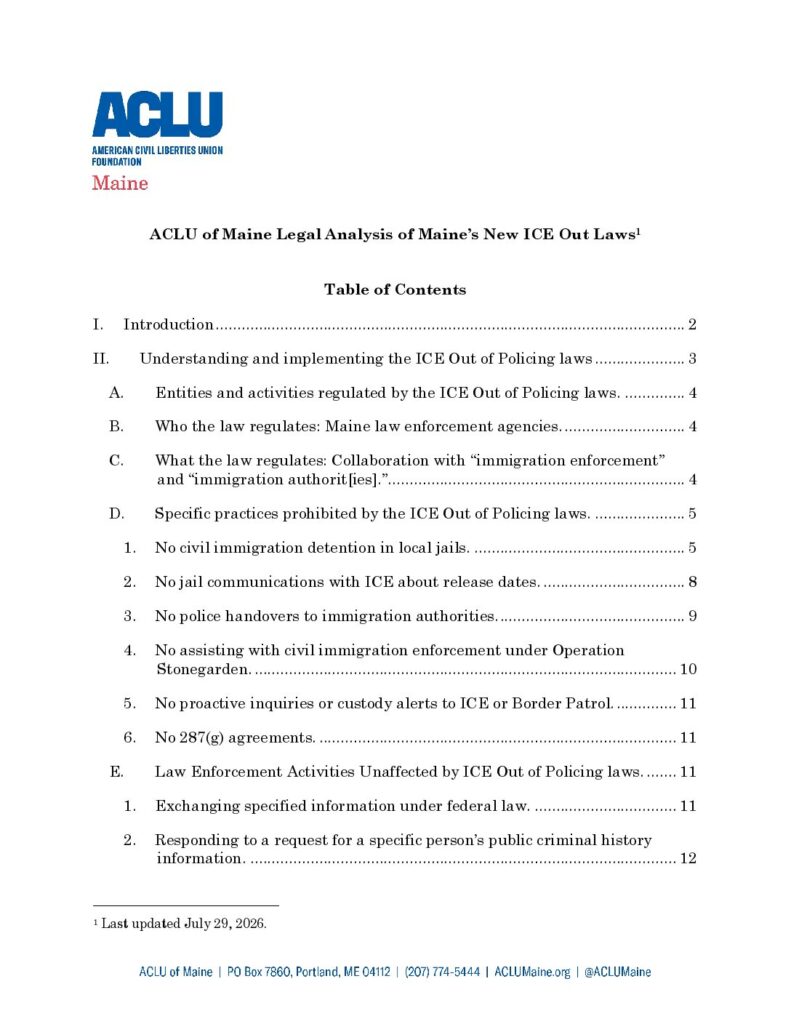
From the introduction by the ACLU of Maine: “In 2025 and 2026, the Maine legislature passed a package of important bills to protect Maine’s immigrant residents and ensure they can access state and local services without fear that doing so will lead them or their loved ones to be targeted by federal immigration authorities. This…
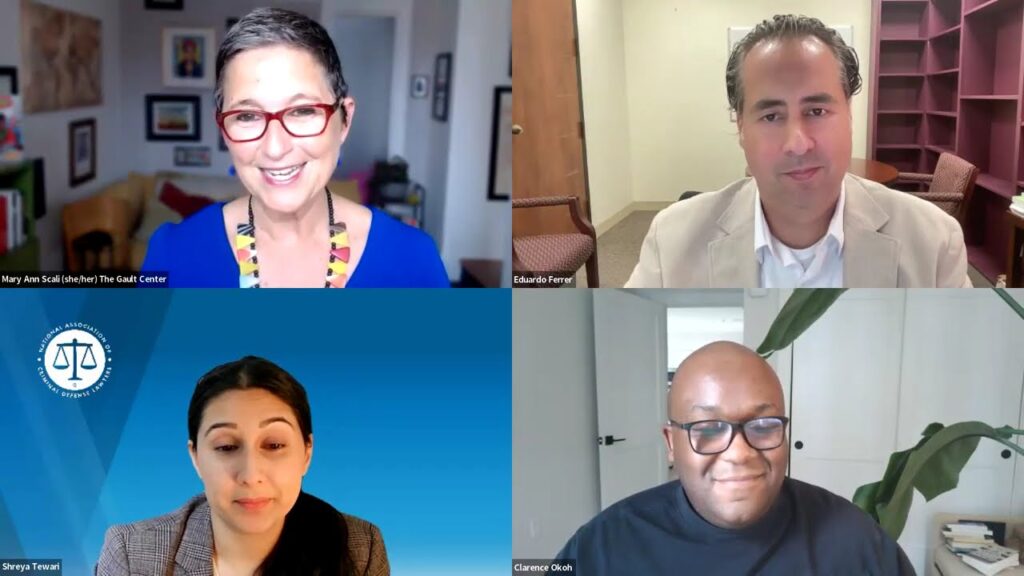
On July 14th, 2026, the Gault Center and the Georgetown Juvenile Justice Clinic & Initiative hosted a webinar on Learning, Litigating, Liberating: Defending Against AI Surveillance of Youth. As AI Surveillance of youth increases in everyday lives from “bullying monitors” to vape detection to facial recognition and so much more, this webinar provides an overview of how and where AI Surveillance is being used and what youth defenders and…
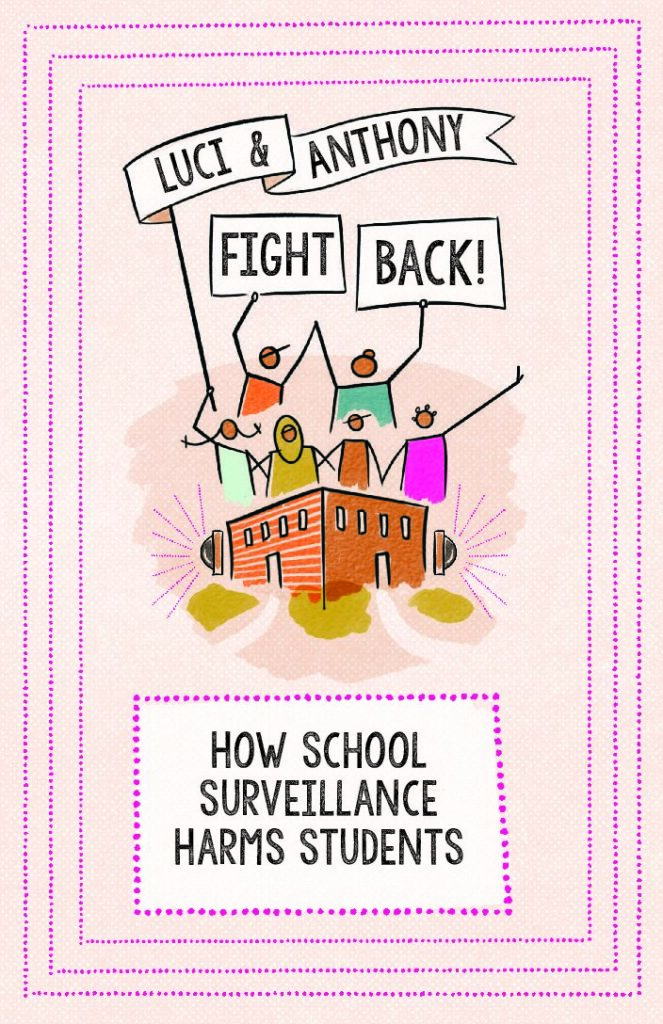
This zine on school surveillance by the National Campaign for Police Free Schools, a campaign that is co-convened by the Advancement Project and the Alliance for Educational Justice, provides know your reality and know your rights information about surveillance technologies used in schools, at home, and in communities. From the introduction: “This zine workbook is…
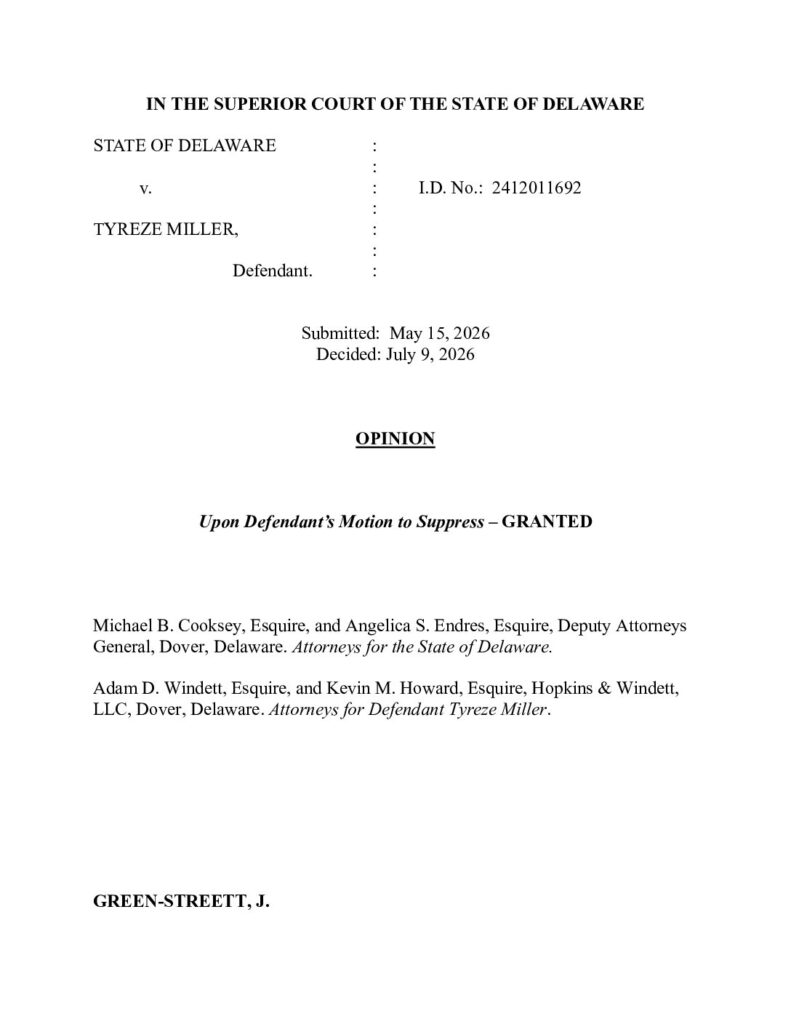
The Delaware Superior Court granted a motion to suppress statements from a police interrogation of a 15-year-old youth with ADHD, finding that the youth did not knowingly, voluntarily, or intelligently waive his Miranda rights. The court reasoned: In summary, over the course of approximately three hours, a fifteen-year-old child was woken up, handcuffed, placed in a holding…
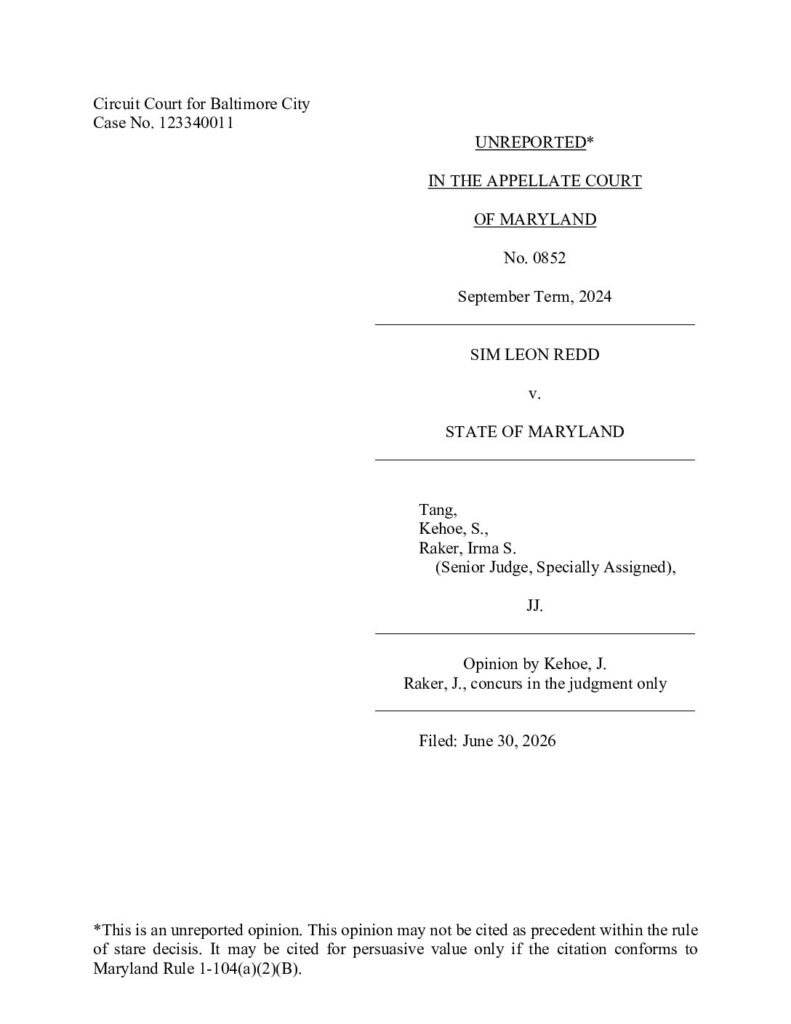
The Maryland Appellate Court reversed the denial of a suppression motion based on an unlawful stop, finding that “sole possession of a firearm, without additional circumstances that indicate illegal possession or other involvement in criminal activity, cannot justify a stop.” The court further stated, “Upon considering decades of case law and federal and state supreme…
From the Abstract: “This article is a practical guide in the fight to abolish the prison-industrial complex as well as institutionalized transphobia and cissexism. Focusing specifically on the practice area of criminal defense, this article proposes a model that must be replicated across jurisdictions wherever transgender people are criminalized. By instituting an interdisciplinary team approach…

From the abstract: “Over the past several decades, there have been an alarming number of instances where young Americans have had their lives ruined due to their involvement as confidential informants in law enforcement narcotics investigations. These tragedies have garnered national attention and inspired attempts at reform several times. Yet, the reckless use of the…
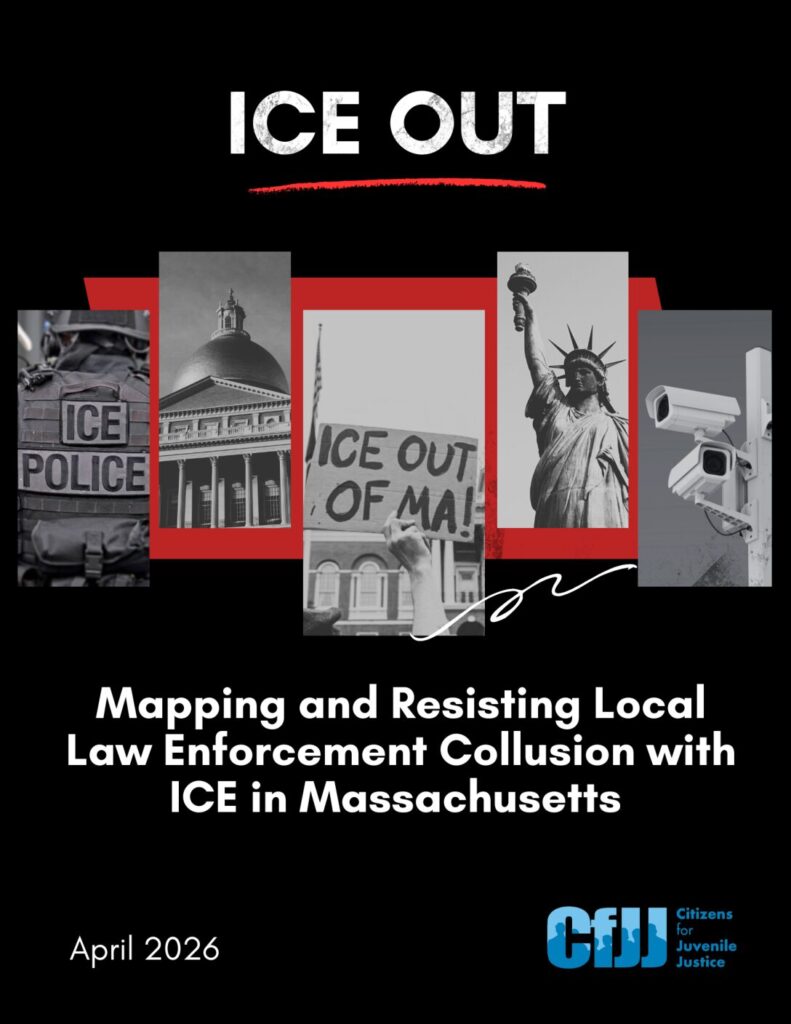
This report by Citizens for Juvenile Justice (CfJJ) investigates the level of information sharing and collusion between police and courthouse staff with federal Immigration and Customs Enforcement (ICE) in Massachusetts. CfJJ filed more than 90 public records requests in the state and found that police and courthouse staff regularly share information with ICE, effectively becoming…
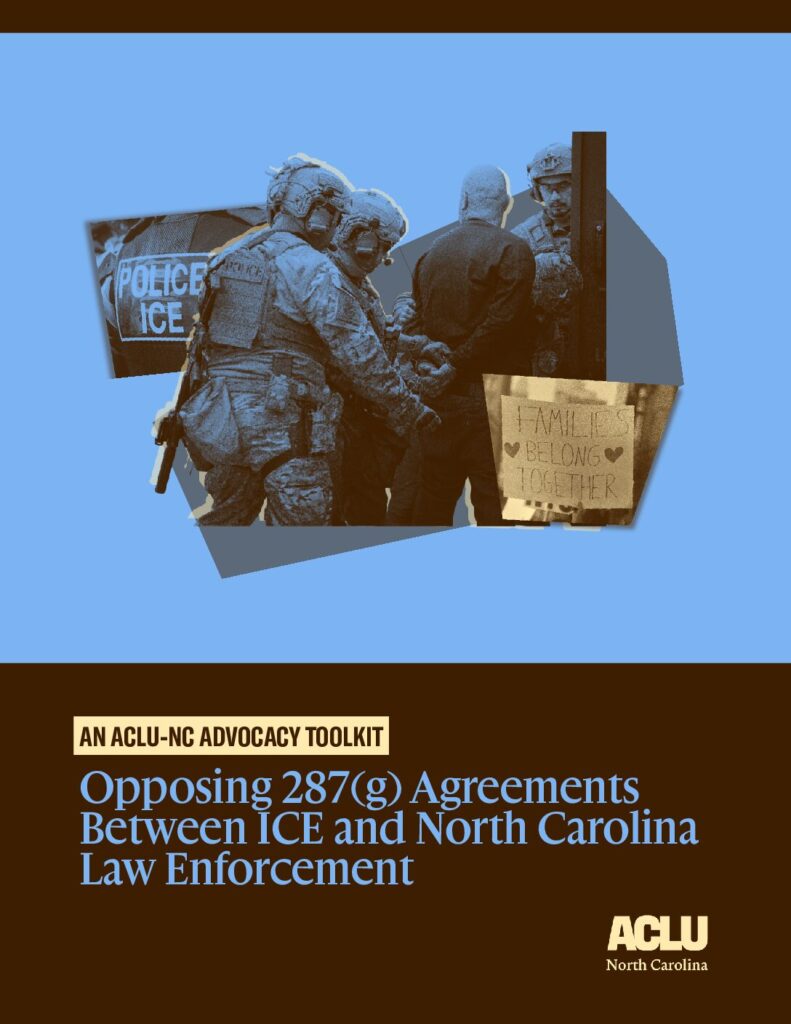
From the Toolkit: “A 287(g) agreement gives local law enforcement the power to enforce federal immigration law, something they normally cannot do. These agreements turn local officers into Immigration and Customs Enforcement (ICE) agents, fueling deportations, racial profiling, and fear in immigrant communities. As the Trump administration continues to supersize deportations and immigrant detention, Immigration…
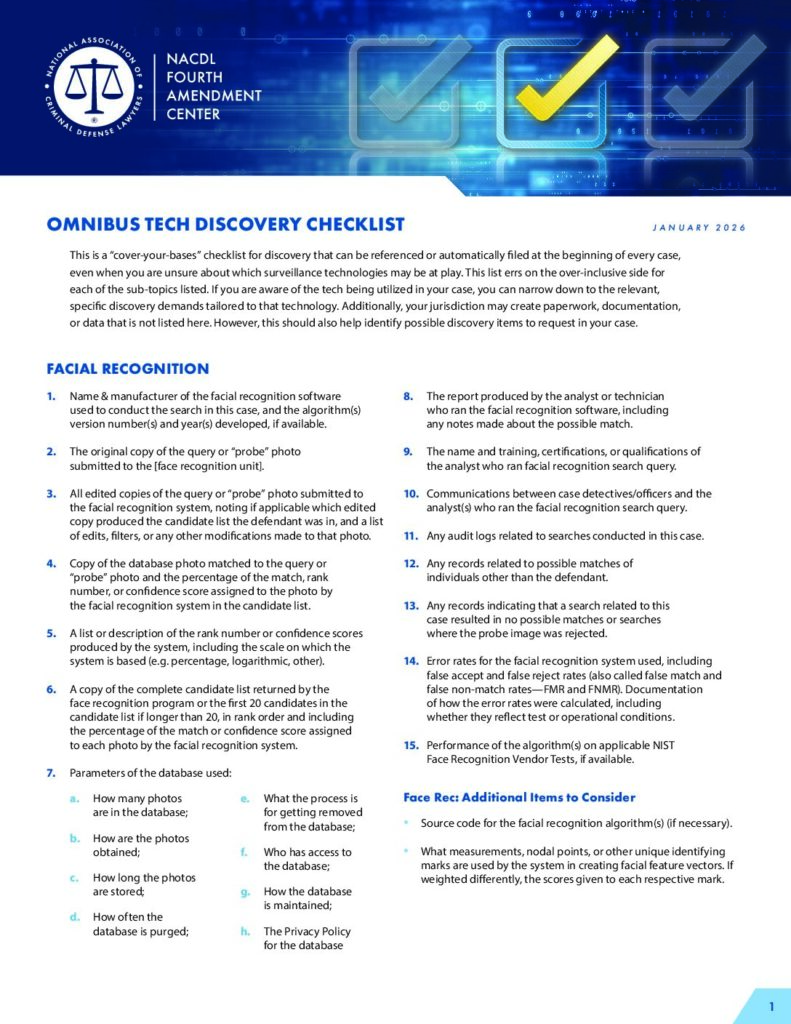
This checklist from the National Association of Criminal Defense Lawyers’ Fourth Amendment Center is a checklist of tech-related items defenders should consider when requesting discovery. Items covered in this checklist include facial recognition software and logs, geofencing warrants and materials, cell-site location information, automatic license plate readers, drone software and licensing, and body worn camera…
This sample motion argues for special discovery and dismissal and/or suppression based on a claim of selective prosecution in a jaywalking case. Highlighting local police data on racial disparities in jaywalking-related stops, this motion argues that police conduct had a discriminatory effect on Black youth in Cincinnati, in violation of their state and federal equal…
From the Abstract: “Interrogation techniques are influenced by the interrogator’s style and the individual being interviewed. Most law enforcement agencies use adult-centered interrogation methods, leading to suboptimal results when working with youth. The research has focused on youth offenders in the interrogation room and the choices they make, often leading to false confessions when an…

The Supreme Court of Washington found a Miranda violation based on a totality of the circumstances analysis, which the Court noted must include consideration of race and age. The Court stated in relevant part: “The United States Supreme Court has established that in determining whether a suspect is in custody under Miranda, we must “‘examine…
“This Article reconceptualizes preventive justice—the public safety paradigm that seeks to prevent harm before it occurs. Scholars have long documented how cities have advanced this paradigm through largely punitive measures, notably variants of broken windows policing, which posit that aggressive misdemeanor enforcement deters more serious crime. Yet in the aftermath of the 2020 George Floyd…


The Delaware Family Court granted a youth’s suppression motion, finding that age and race must be considered when determining whether a seizure has occurred under the Fourth Amendment. The court states in relevant part: “Children are not adults. In J.D.B. v. North Carolina, the Supreme Court decided that children should not be treated like adults for the purposes of…

CfJJ delivered written testimony to the Massachusetts’ Joint Committee on Racial Equity, Civil Rights and Inclusion on information-sharing practices between the juvenile and criminal legal systems and federal immigration authorities. Following a review of public records requests around these practices, CfJJ found a pattern of collaboration between police, prosecutors, probation officers, and Immigration and Customs…
The Oregon Court of Appeals held that the trial court erred where it failed to instruct the jury on the “choice-of-evils” defense. The court stated in relevant part: Regarding the first assignment of error, we review a trial court’s refusal to provide a requested jury instruction for legal error. State v. Jackson, 334 Or App…

From the abstract: This Article employs the Law Review’s Discourse symposium on my book, Unreasonable: Black Lives, Police Power, and the Fourth Amendment, as a starting point to foreground and elaborate on an idea that I reference in that text: police power abolition. The Article begins by describing the central insight that motivates Unreasonable—namely, that…

“In the period of the 1960s through 2015, the U.S. Supreme Court issued a set of canonical, key decisions expanding the constitutional doctrines of sexual liberty and privacy, equality, and substantive due process for women and sexual and gender minorities. The Court interpreted these principles to protect contraceptive use, abortion, interracial marriage, the private consumption…
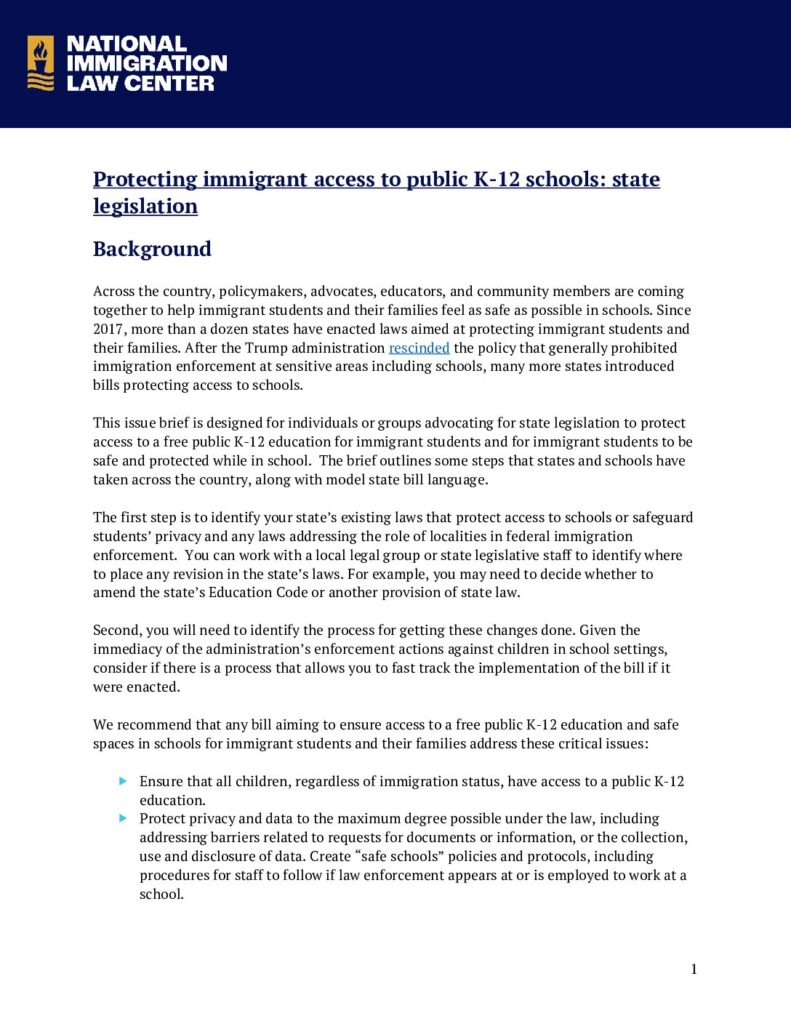
From the Background of this issue brief by National Immigration Law Center: “This issue brief is designed for individuals or groups advocating for state legislation to protect access to a free public K-12 education for immigrant students and for immigrant students to be safe and protected while in school. The brief outlines some steps that…

The Supreme Court of Washington vacated a conviction for second-degree murder, finding that the 16-year-old defendant’s waiver of rights was invalid, considering her age, recent head trauma, and lack of experience with the police. The court stated in relevant part: “Luna challenges several evidentiary rulings and argues that the court should have applied newly enacted…
