
Drug Offenses

From the abstract: “Over the past several decades, there have been an alarming number of instances where young Americans have had their lives ruined due to their involvement as confidential informants in law enforcement narcotics investigations. These tragedies have garnered national attention and inspired attempts at reform several times. Yet, the reckless use of the…
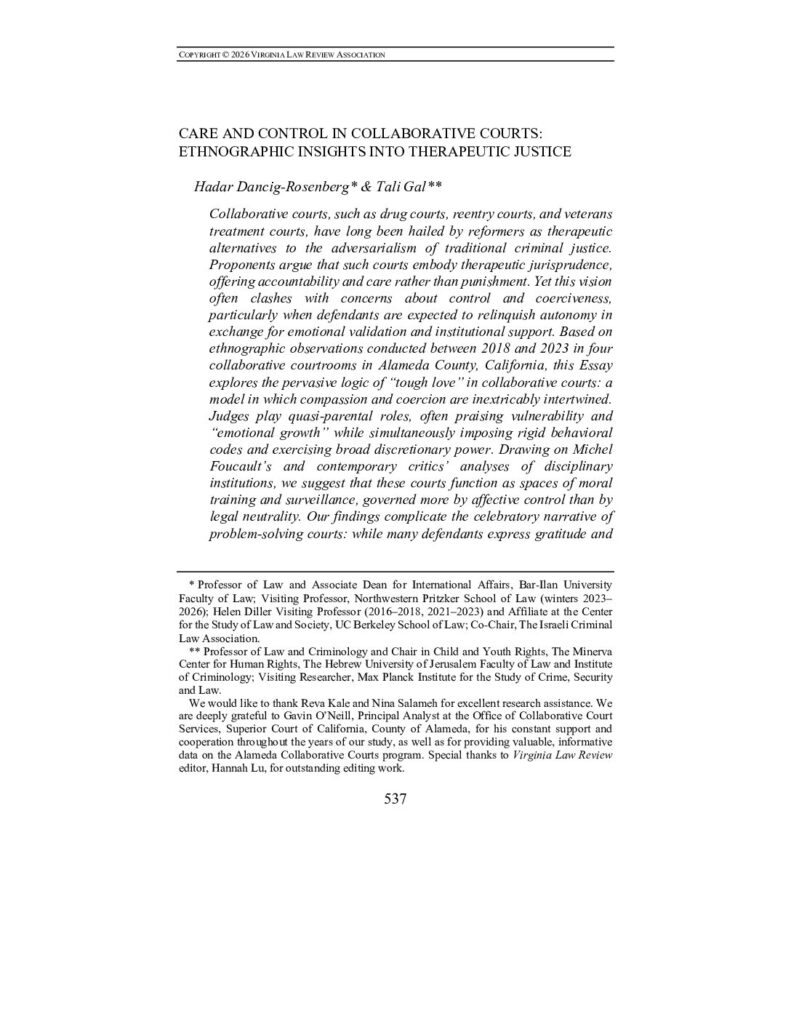
“Collaborative courts, such as drug courts, reentry courts, and veterans treatment courts, have long been hailed by reformers as therapeutic alternatives to the adversarialism of traditional criminal justice. Proponents argue that such courts embody therapeutic jurisprudence, offering accountability and care rather than punishment. Yet this vision often clashes with concerns about control and coerciveness, particularly…
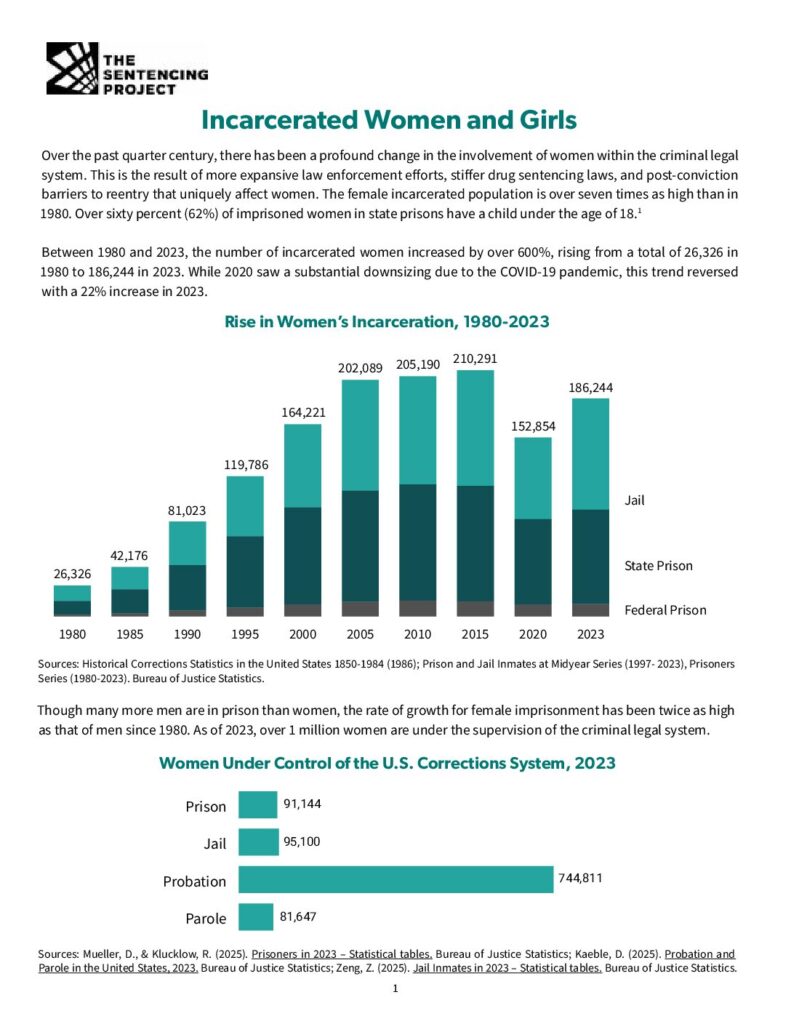
This report, by The Sentencing Project, examines the changes in involvement of women and girls in the criminal and juvenile legal system over the past quarter century. The report includes data examining the rise of women and girls’ incarceration in jails, state and federal prisons, residential placement centers, as well as women under the control of the U.S. Corrections systems through probation or parole., This…
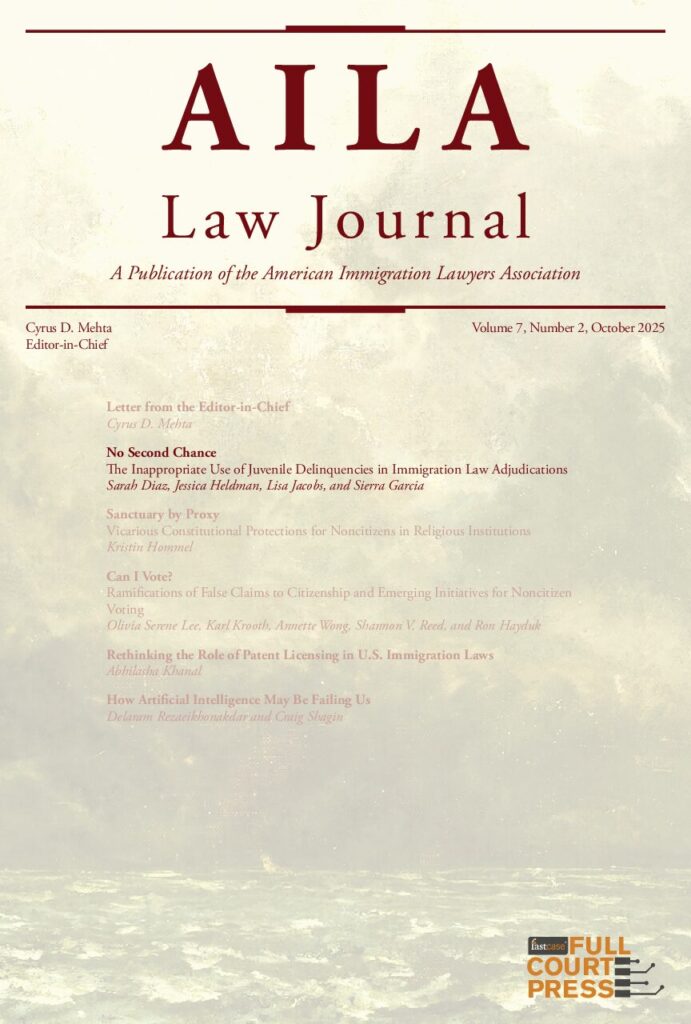
Abstract: “Records generated by youth legal systems—or “juvenile justice systems”—are increasingly being used against young people in immigration proceedings. This practice undermines the core purpose of these youth-focused systems and can have devastating, life-altering consequences, including the denial of immigration benefits or deportation. Juvenile justice systems in the United States are founded on the recognition…

Offers an overview of the rights of noncitizen youth and strategies for youth defenders to safeguard these rights and mitigate harm throughout the course of representing youth in juvenile court.
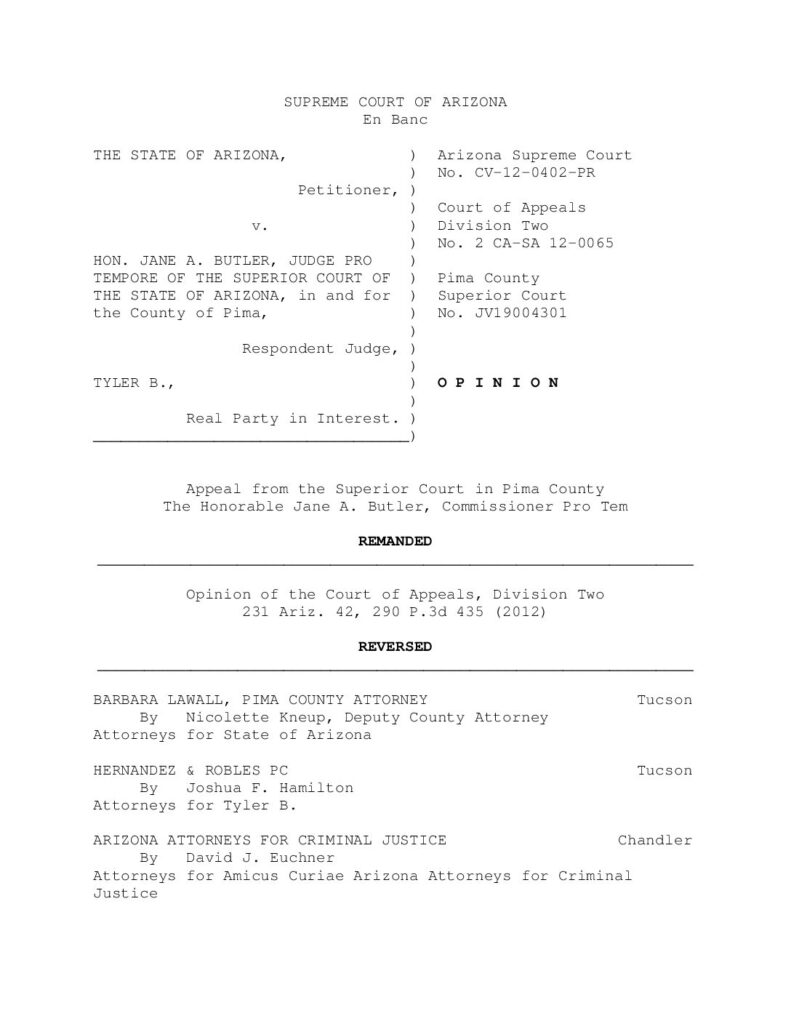
The Arizona Supreme Court ruled the juvenile court did not abuse its discretion when it found a 16-year old youth’s consent to a warrantless blood draw was involuntary and granted his motion to suppress. The court offered the following language in support: “We hold now that, independent of § 28-1321, the Fourth Amendment requires an…

This amicus brief by Advocates for Children’s Services of Legal Aid of North Carolina, American Civil Liberties Union, The Gault Center, and others argues the suspicionless search of all female students at an alternative school is unconstitutional under the 4th Amendment where the search’s main purpose was arrest and prosecution by law enforcement. Further, the…
