

An Arizona appellate court reversed a youth’s delinquency adjudication, finding that the youth’s statements that he “thinks” or “fantasizes” “about shooting up the school” did not constitute a true threat. The court stated in relevant part: “R.R. argues that his statement was not a true threat because he “specifically said that he would not do…
You must be logged into your Gault Center account to view this page. Username or E-mail Password Remember Me Forgot Password
You must be logged into your Gault Center account to view this page.

Abstract: In the wake of Miller v. Alabama and its progeny, there has been a wider acceptance that juvenile’s need more protections in our judicial system. This is a result of a growing body of research stating that young people’s brains do not fully develop until the age of twenty-five. States across the country are…
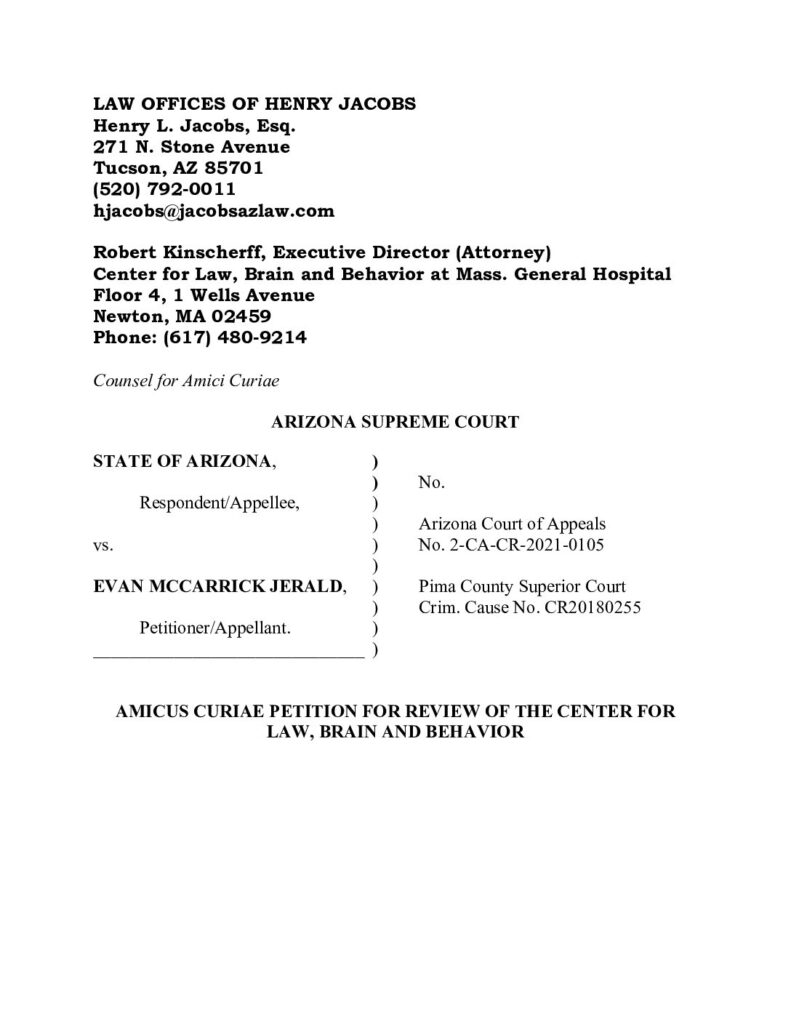
This amicus brief from the Center for Law, Brain, and Behavior highlights the adolescent capacity for significant growth and social maturation as well as criminological evidence on the unlikelihood of reoffending and responsiveness to evidence-based treatment among youth accused of sex offenses. The brief ultimately calls for the court to find that a de facto life without parole sentence is grossly disproportionate based on developmental science and research. From the Summary of Argument: “Evan McCarrick Jerald is…

This infographic details statistics on the overrepresentation of Native and Indigenous communities in the criminal legal system, noting in particular that the incarceration rate of American Indian/Alaska Native communities increased 60 percent from 1990 to 2020. It cautions that current data collection practices on Native and Indigenous communities are often incomplete and inaccurate due to…


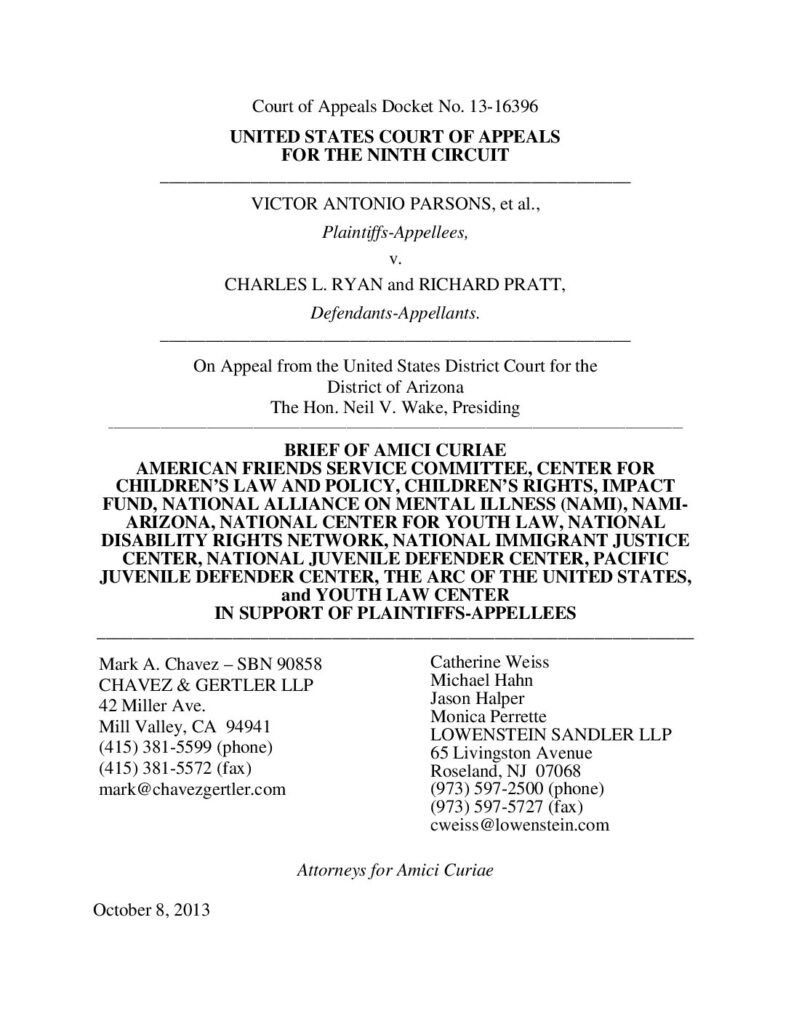
This amicus brief by American Friends Service Committee and others argues federal class action status is appropriate when members of a class challenge a policy or practice that exposes them to an injury. In this case, the class challenged Arizona Department of Corrections’ failure to provide minimally adequate medical and mental health to people in…
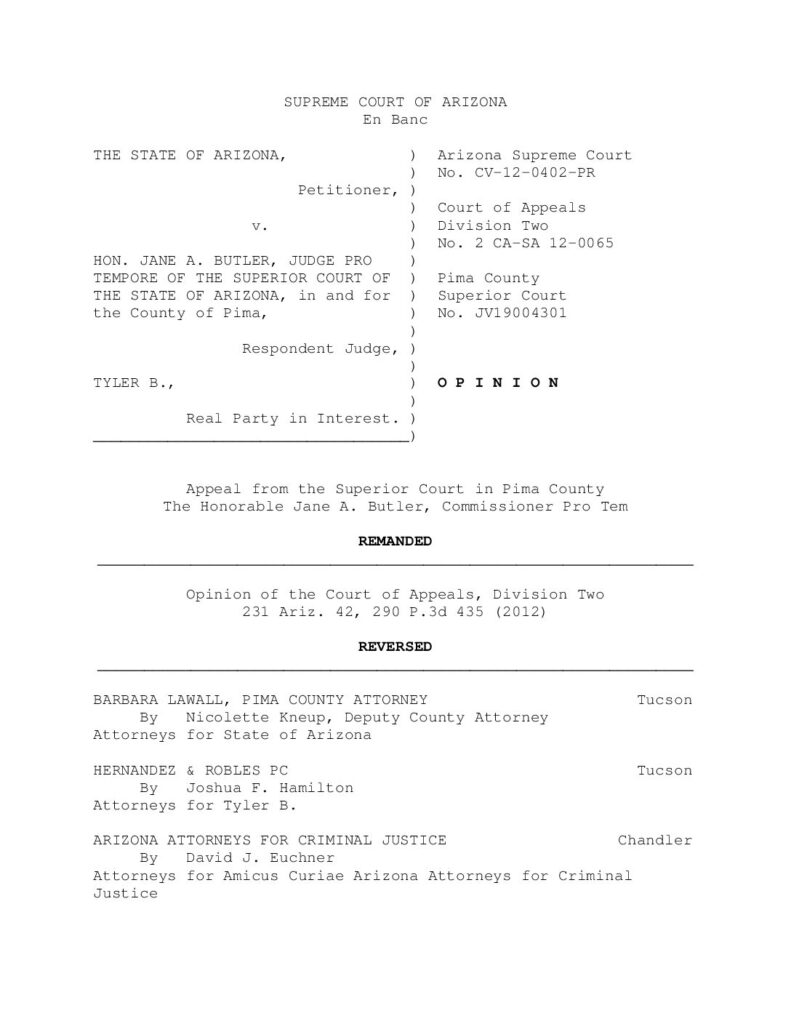
The Arizona Supreme Court ruled the juvenile court did not abuse its discretion when it found a 16-year old youth’s consent to a warrantless blood draw was involuntary and granted his motion to suppress. The court offered the following language in support: “We hold now that, independent of § 28-1321, the Fourth Amendment requires an…
