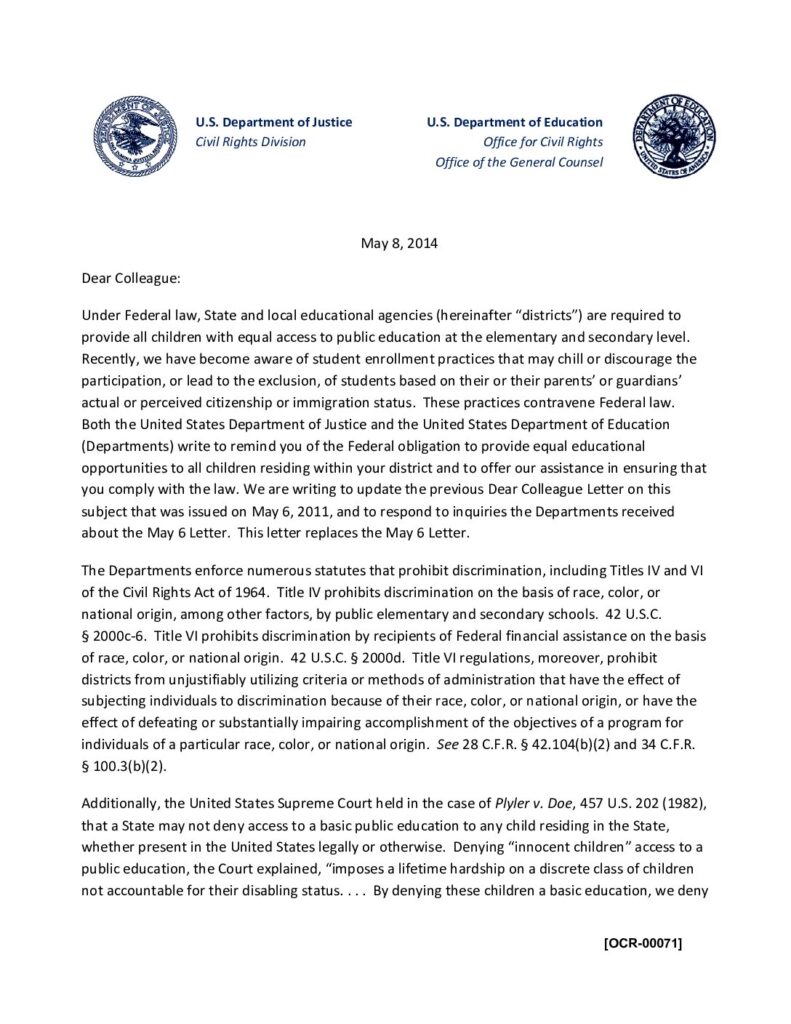
Immigration

From the introduction: “At the turn of the 20th century, states began creating juvenile justice systems because they recognized that children are different from adults, are capable of change, and need support and opportunities for healthy development. Unfortunately, over time these juvenile justice systems became a maze – with many entrances in, and few exits…

From the Executive Summary: “This primer introduces key factors that juvenile court judges should consider in order to take a trauma-informed approach when “newcomer immigrant youth” come before them in juvenile justice cases. Created by attorneys and mental health experts on trauma, juvenile justice, and immigration, this primer is the product of the Center for…


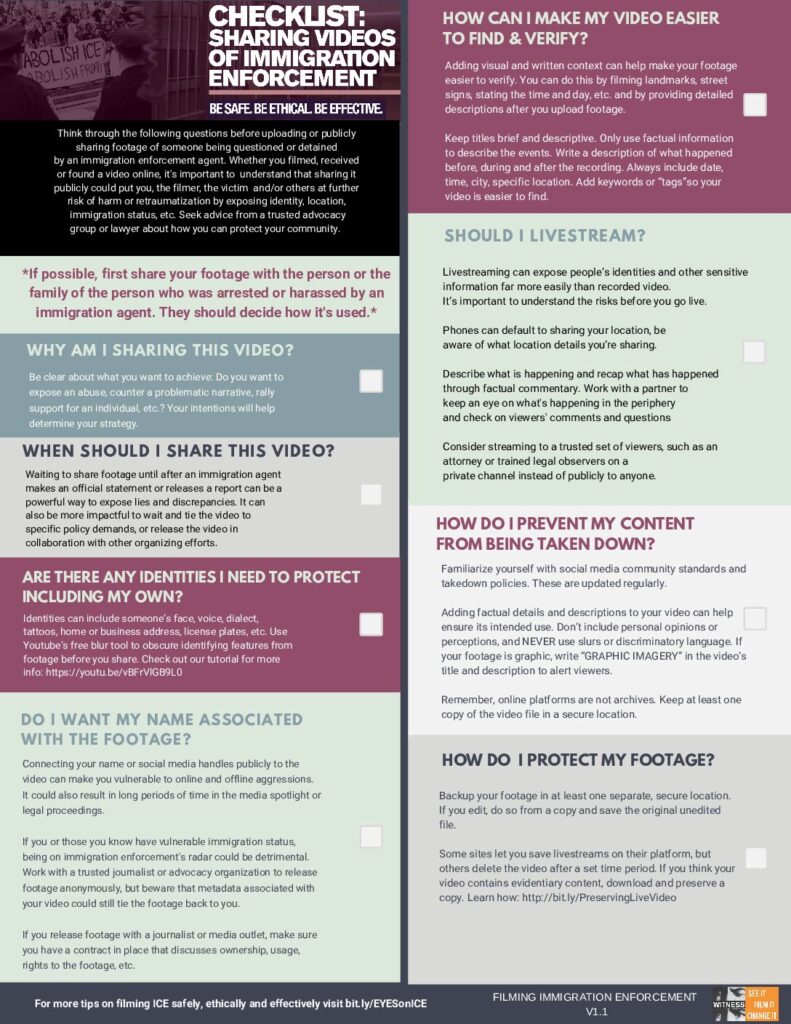

From the abstract: “Forcible separation and detention of children from parents seeking asylum in the United States has been decried as immoral and halted by court order. Babies and children have been separated and transported to facilities sometimes many miles away. Limited data on forced detention of unaccompanied minors reveal high incidence of posttraumatic stress,…

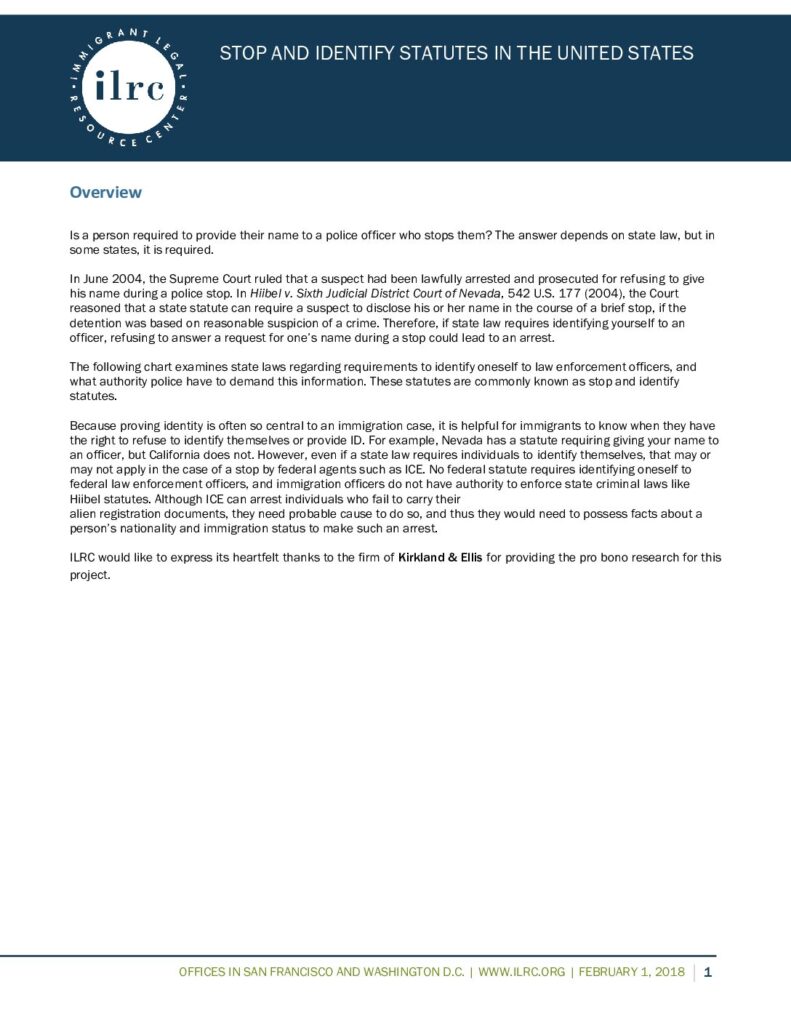

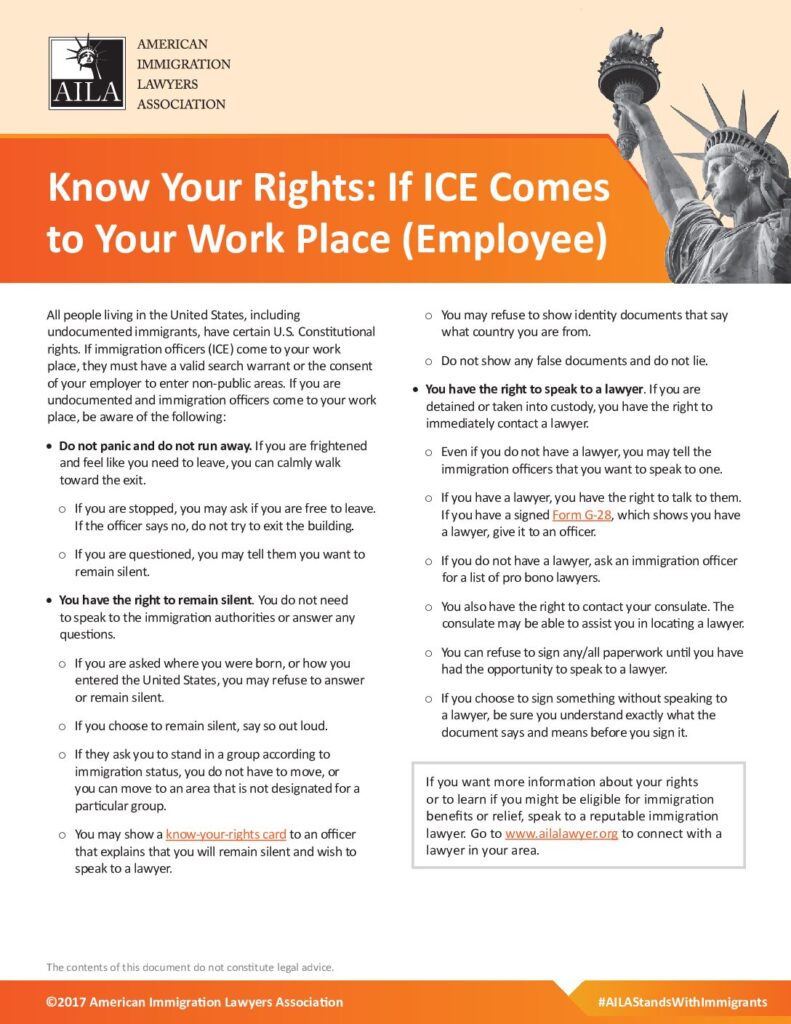

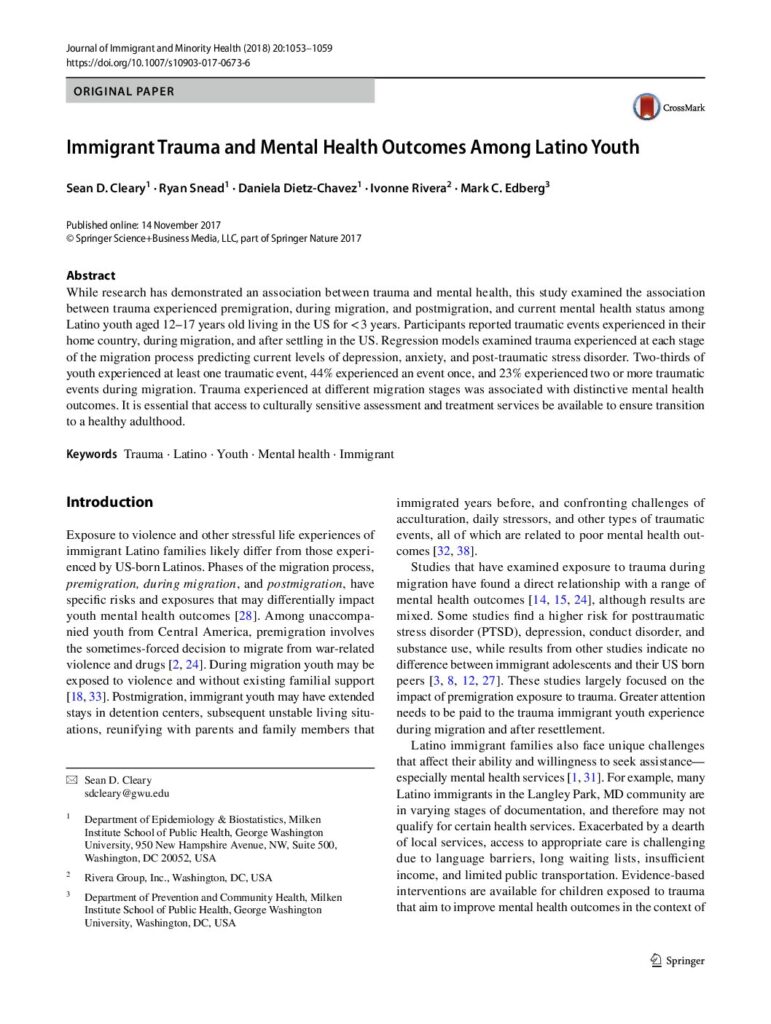
From the Abstract in the Journal of Immigrant and Minority Health: “While research has demonstrated an association between trauma and mental health, this study examined the association between trauma experienced premigration, during migration, and postmigration, and current mental health status among Latino youth aged 12–17 years old living in the US for <3 years. Participants…

From the abstract: “Under the Trump presidency, Immigration and Customs Enforcement (ICE) officers have been making immigration arrests in state and local courthouses. This practice has sparked controversy. Officials around the country, including the highest judges of five states, have asked ICE to stop the arrests. ICE’s refusal to do so raises the question: can…

This guide is designed to provide necessary information to juvenile defenders representing children whose juvenile court involvement may trigger immigration consequences. Although a finding of delinquency is not a “conviction” for purposes of immigration (and, thus, does not have the same dire consequences as a conviction), a juvenile arrest, charge, or adjudication may nonetheless trigger…
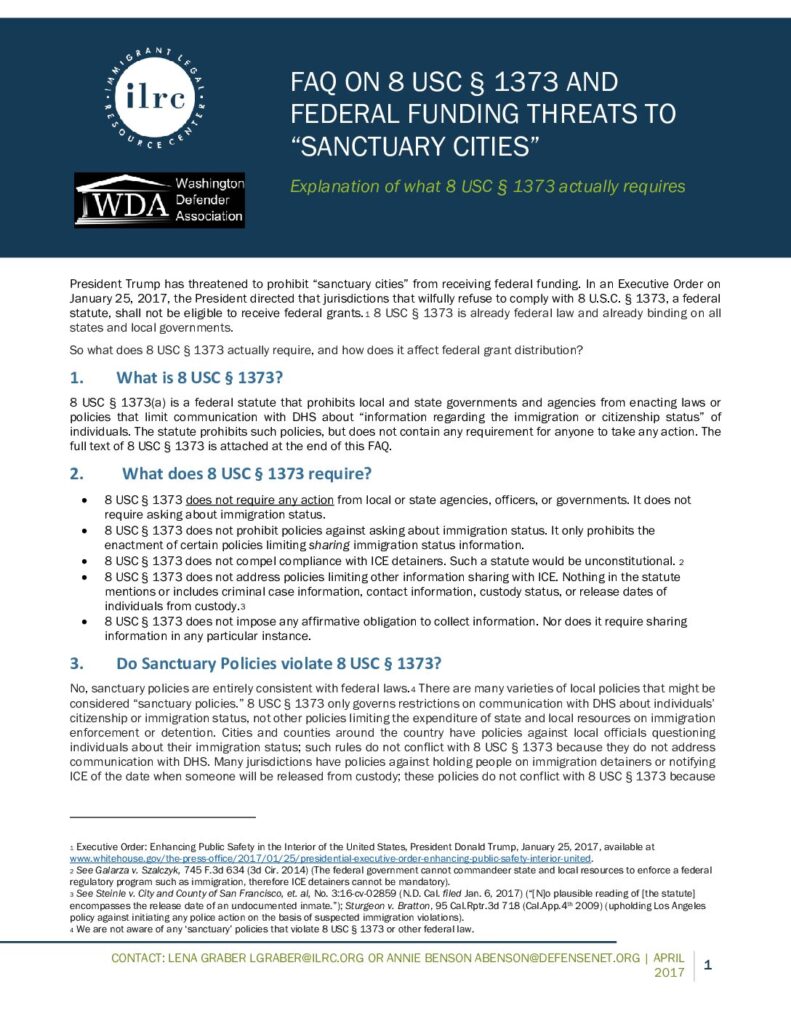

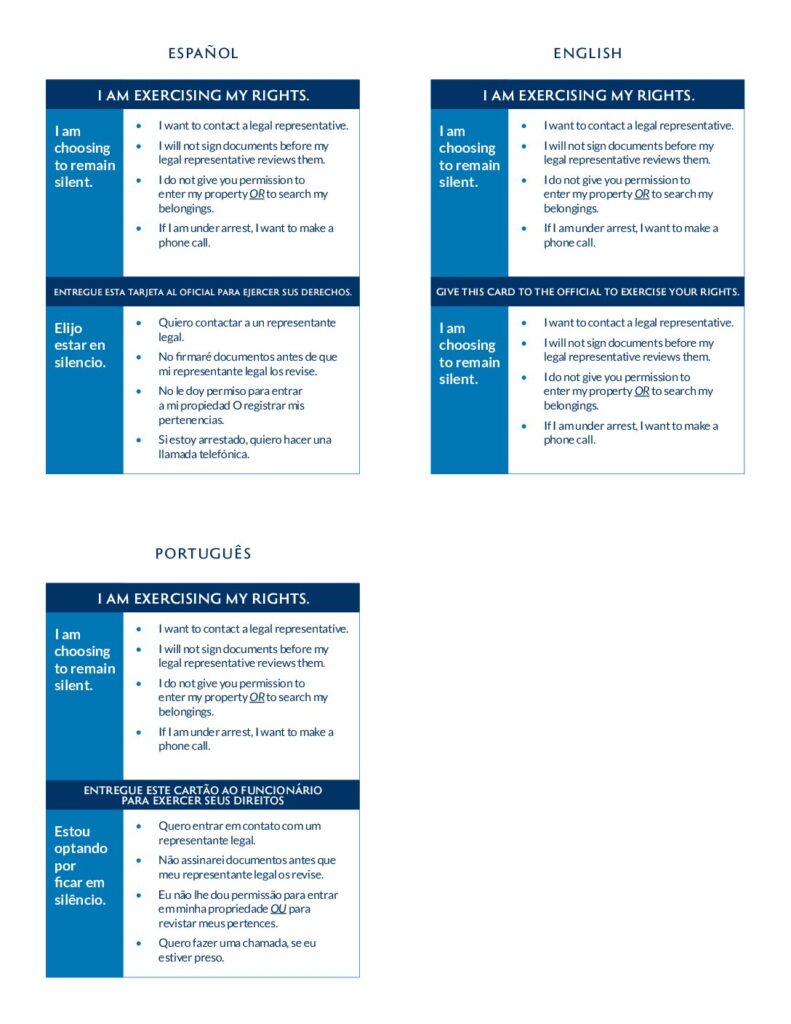
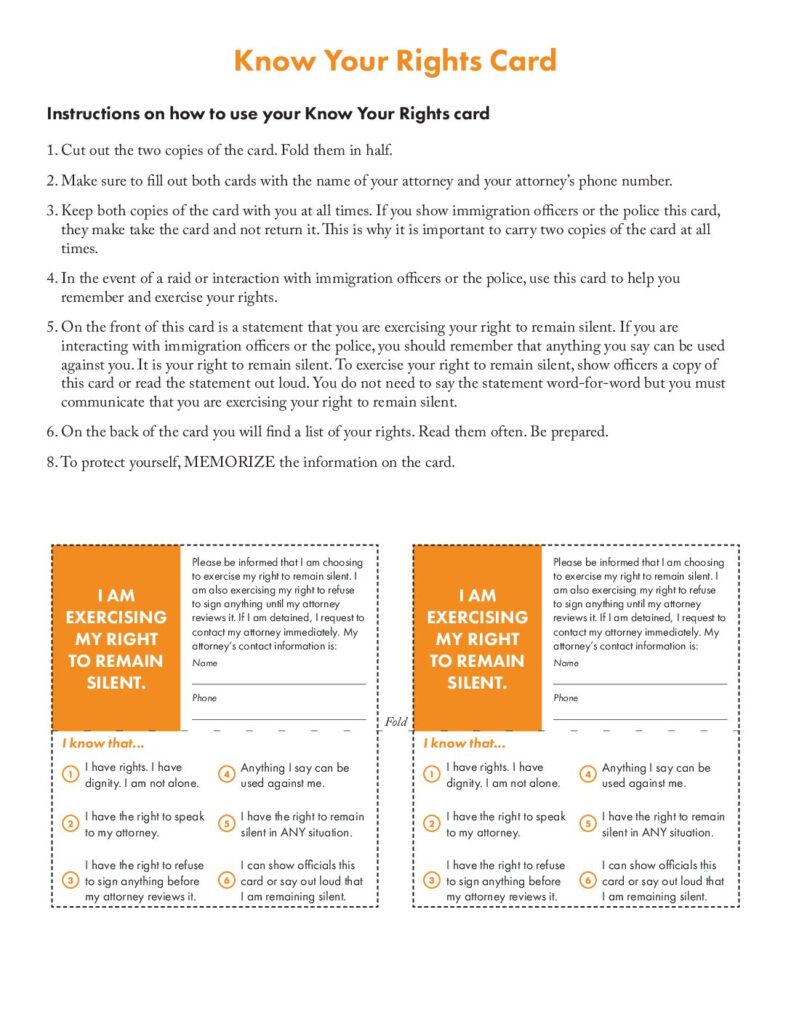

From the introduction: “Immigration and Customs Enforcement (“ICE”) agents work inside Massachusetts jails, houses of correction, and prisons and may try to interview you or ask you to sign documents. Other corrections officers working with ICE may also try to question you about your immigration or criminal history. Anything you say to an ICE officer…