
Racial and Ethnic Disparities


From the Introduction: “Racial inequities are addressed to varying degrees in at least three of the four sections of the Restatement of Children and the Law. This Essay evaluates whether and how well this Restatement advances racial justice and identifies additional opportunities for the ALI to address racial inequities now and in future iterations of the Restatement. The…

The Annie E. Casey Found. (2023). The Annie E. Casey Foundation undertook a three-year analysis from January 2020 to January 2023 of the effects of the Covid-19 pandemic on juvenile detention rates. The analysis concluded with three main findings: 1) Black youth were ten times more likely to be detained than white youth in 2023;…

In January 2024, the National Center for Juvenile Justice released their annual report detailing data trends in juvenile courts across the country from 2005 to 2021. This report provides a national snapshot of various trends in delinquency cases, including key demographic patterns across age, gender, and race at various stages of case processing. Notably, in…


From the introduction: “The goal of the Kansas juvenile legal system is ‘to promote public safety, hold juvenile offenders accountable for their behavior and improve their ability to live more productively and responsibly in their community.’ Evidence shows that juvenile fees and fines do the opposite. This report outlines the ways in which fees and…

An infographic outlining steps towards a more effective juvenile defense system.

An annotated bibliography of research on transfer/waiver from Dr. Antoinette Kavanaugh Ph.D., ABPP including research on transfer and recividism, studies on how juvenile court judges weigh transfer factors, and demographic data and analysis on who is transferred to adult court.

School-based arrests have long made up a substantial number of cases in the juvenile legal system. As a result, youth defenders often represent clients who have been seized, searched, or interrogated on school grounds. This guide provides a general overview of the law governing school seizures, searches, and interrogations and practice tips for challenging evidence…

This research report by the ACLU provides an overview of surveillance technology (“EdTech Surveillance”) industry in K-12 schools and critically explores the industry’s claims, the efficacy of the products, and their impacts on students and schools. The report also provides recommendations for best protecting students and promoting better surveillance technology decision-making among elected officials, school…

From the executive summary: “• Police increasingly replace stop-and-frisk practices with databases that crudely profile Black and Latinx youth based on their neighborhoods, peer groups, and clothing. • These databases ruin lives: police typecast minority youths as gang members without evidence, putting them at risk of false arrest and wrongful deportation. • Many police departments…
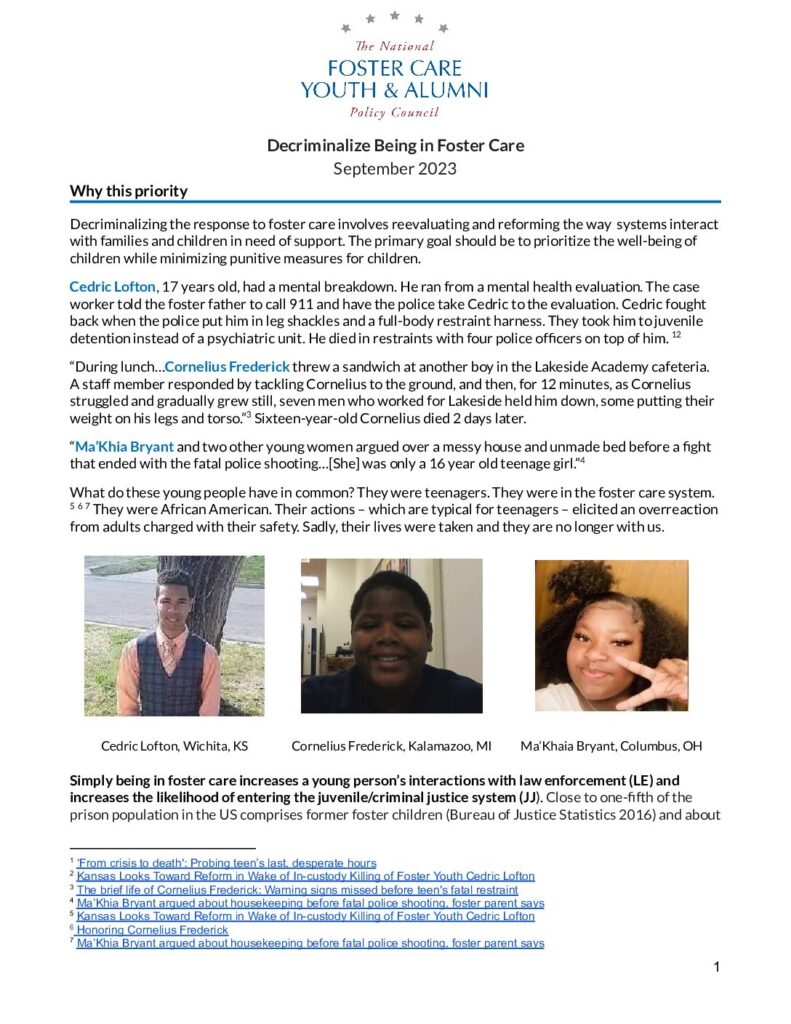

This amicus brief by American Civil Liberties Union and others argues that denying an opportunity for parole for young adults between the ages of 18 and 25 raises an equal protection violation given the racially disproportionate impact of life without parole sentences on young adults, resulting from “tough on crime” politics based in racial bias. From the Introduction: “In analyzing Petitioner Hardin’s equal protection…

This amicus brief by the Santa Clara County Independent Defense Counsel Office argues the decision in People v. Hardin should be affirmed because historical legacies of racism disparately expose some adolescents to the legal system and this does not justify lifelong punishment without considering rehabilitation. From Introduction & Summary of Argument: “Youthful offender parole is authorized by age at the…

From the introduction: “Imagine you’re a student with a disability that impacts how you interact with others and process situations. In an instant, that disability may be criminalized, and you could find yourself thrust into a juvenile justice system that offers little support and few education resources. This scenario is all too common. Thousands of…

This affidavit relies on adolescent development research to conclude that felony murder should not be applied to youth, given that young people’s ongoing brain and psychosocial development goes against the very premise of felony murder. This affidavit emphasizes how felony murder perpetuates racial disparities and is contrary to adolescent development principles—namely that youth experience more…

From the executive summary: “On April 21, 2021, the Department of Justice opened a pattern or practice investigation of the Minneapolis Police Department (MPD) and the City of Minneapolis. By then, Derek Chauvin had been convicted in state court for the tragic murder of George Floyd in 2020. In the years before, shootings by other…
