
Youth Participatory Action Research
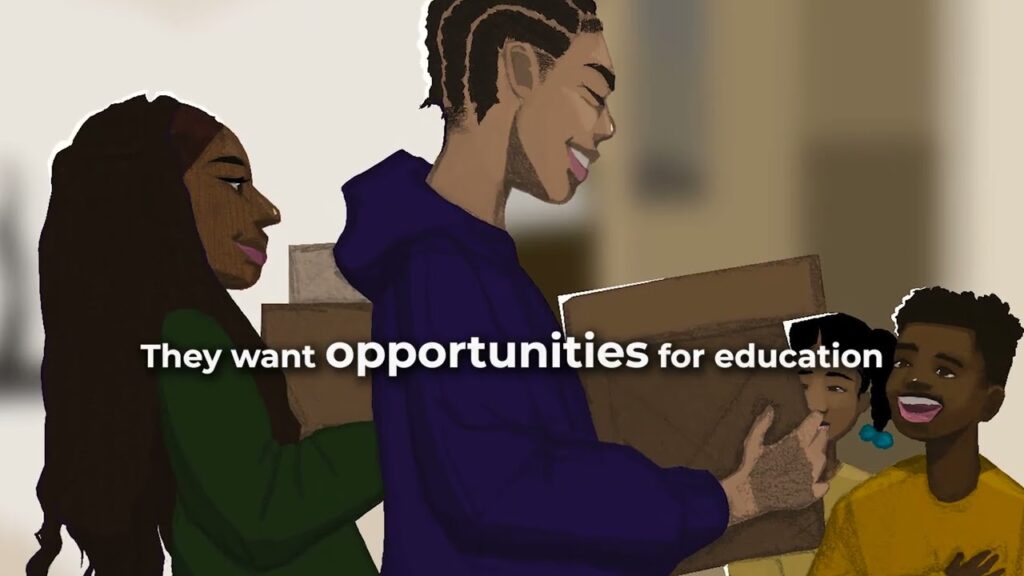
This video, developed by youth leaders at Progeny, highlights key findings from the Five Years Later: An Update on the Kansas Youth Defense Assessment report. This video is part of the Defending Futures: Youth Defense for All in Kansas campaign to establish a statewide youth defense system and highlights the importance of building strong youth…
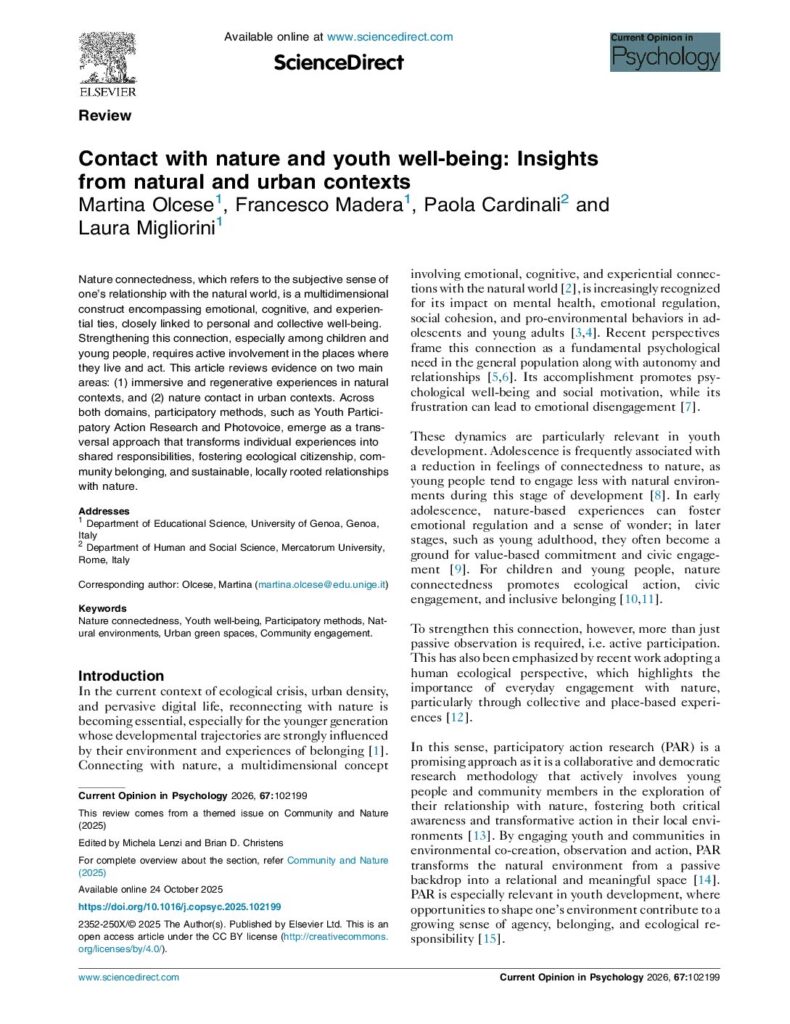
From the article: “Nature connectedness, which refers to the subjective sense of one’s relationship with the natural world, is a multidimensional construct encompassing emotional, cognitive, and experiential ties, closely linked to personal and collective well-being. Strengthening this connection, especially among children and young people, requires active involvement in the places where they live and act.…
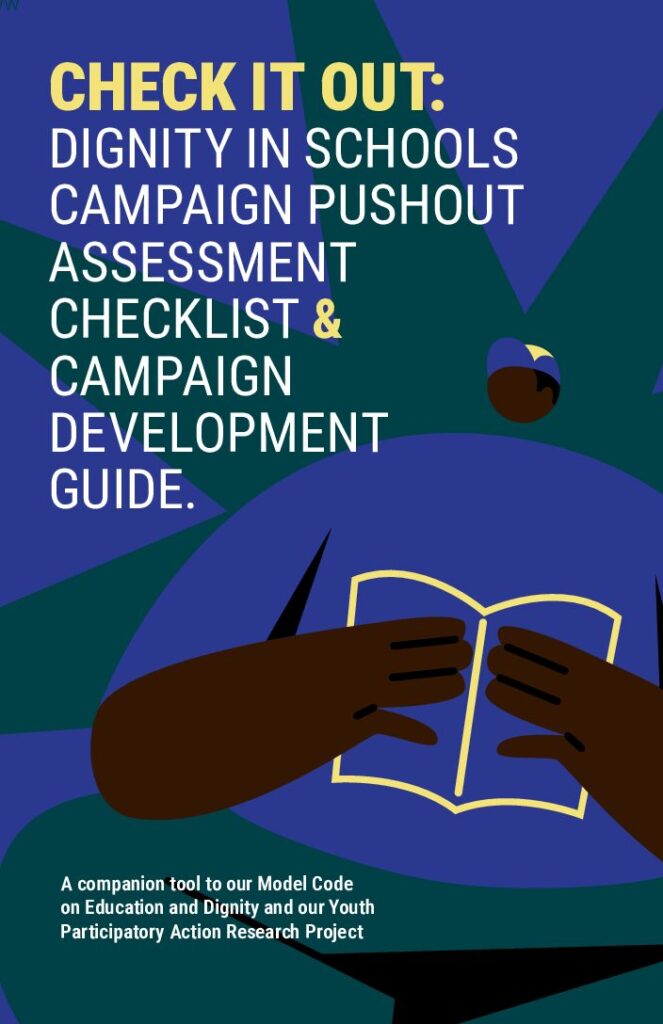
This school pushout assessment and campaign development guide is a companion tool to Dignity in Schools Campaign’s Model Code on Education and Dignity and Youth Participatory Action Research Project. This checklist tool provides a framework for individuals and groups working in schools to assess school policies and practices around discipline, safety, curriculum, logistics, staffing, and other processes to prevent young people from being pushed…

“This paper describes a community-based participatory research (CBPR) approach to evaluation used by an academic-practitioner partnership to refine the logic model for a violent crime reduction program and develop associated performance measures. Through qualitative and quantitative data collection, including semi-structured interviews, engagement with program stakeholders (e.g., program leaders and staff, peer researchers, community residents), community…


This report is the product of a one-year project to hear directly from Black communities about what safety means to them. The Black Public Defender Association, in partnership with the BlackRoots Alliance, Cook County Public Defender, and Northwestern University, conducted more than 100 interviews of Black residents in Chicago to collect their stories and advice…


The Ella Baker Center for Human Rights and Ceres Policy Research Center partnered with youth leaders in Alameda County, California, to assess the current landscape of the juvenile legal system and outline a youth-centered vision for the future. Utilizing a youth participatory action research protocol, this report relied on youth leaders to design and implement…

Sydney Baker et al., 29 Psychol. Pub. Pol’y & L. 320 (2023). This article is a call to action for the research community and advocates to engage youth and families with lived experience in the legal system in research on the impacts of race, development, and identity on youth interrogations. The authors detail the limitations…

From the executive summary: “In considering what serves young people well, it is imperative that we address these systemic barriers and develop innovative strategies, leaving space for healing outside of and in tandem with the traditional mental health system. We must be expansive in our thinking about what supports and strengthens youth mental health –…

From the abstract: “Homeless youth engaging in street survival behaviors are at higher risk of justice involvement. Advocates for reducing youth homelessness have called on the juvenile justice system and allied system partners to minimize the legal consequences of these behaviors and to improve systemic responses to identifying and reducing homelessness. The current study used…
