
Cross-Systems Collaboration
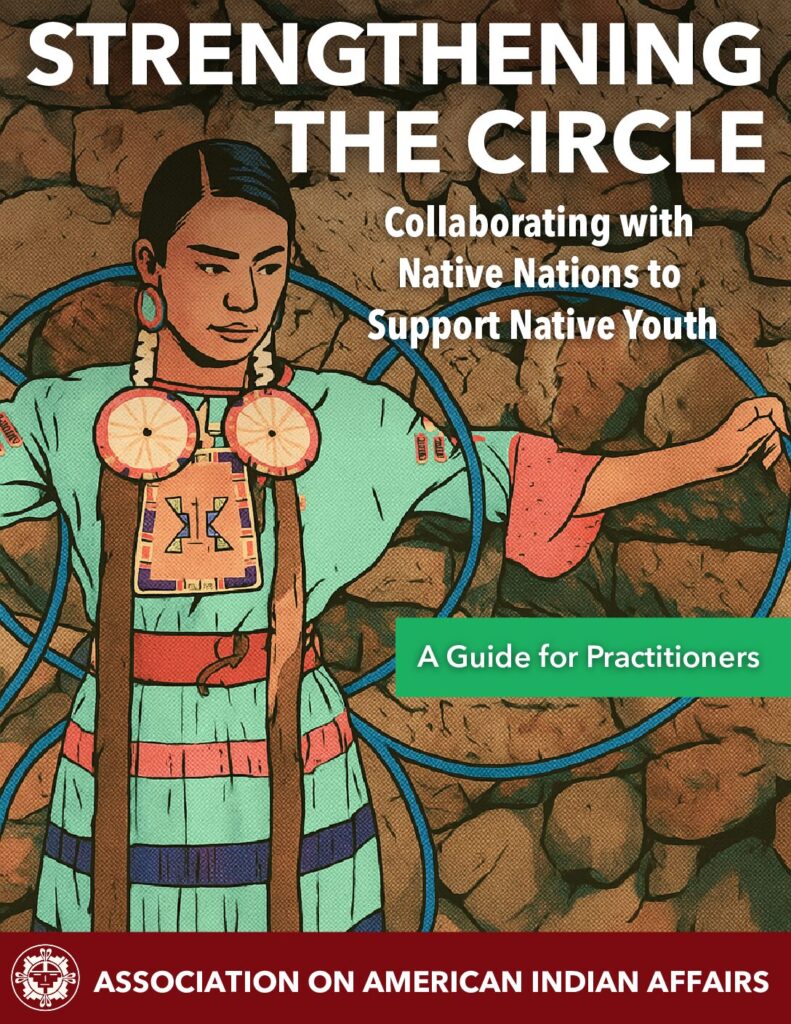
From the Introduction, developed by the Association on American Indian Affairs: “This guide offers practical, real-world tips to help you work more effectively with Native youth involved in the justice system. It explains why working with Native Nations is not only important—but also different from working with other agencies or partners in your county or…

From the resource by Case Western Reserve University Schubert Center for Child Studies: “This document offers an overview of the most current and reliable national and Ohio-specific guidance and resources to support practitioners and providers working with immigrant children. It is organized in the following child and youth-specific settings: Each section provides practical tools, current…
This infographic series on advancing best practices in youth justice from the RFK Community Alliance’s National Resource Center for the Transformation of Youth Justice provides accessible research on core practices driving change in youth justice and includes research on adolescent development and emerging adulthood, positive youth development and growth-focused case management, the negative effects of…
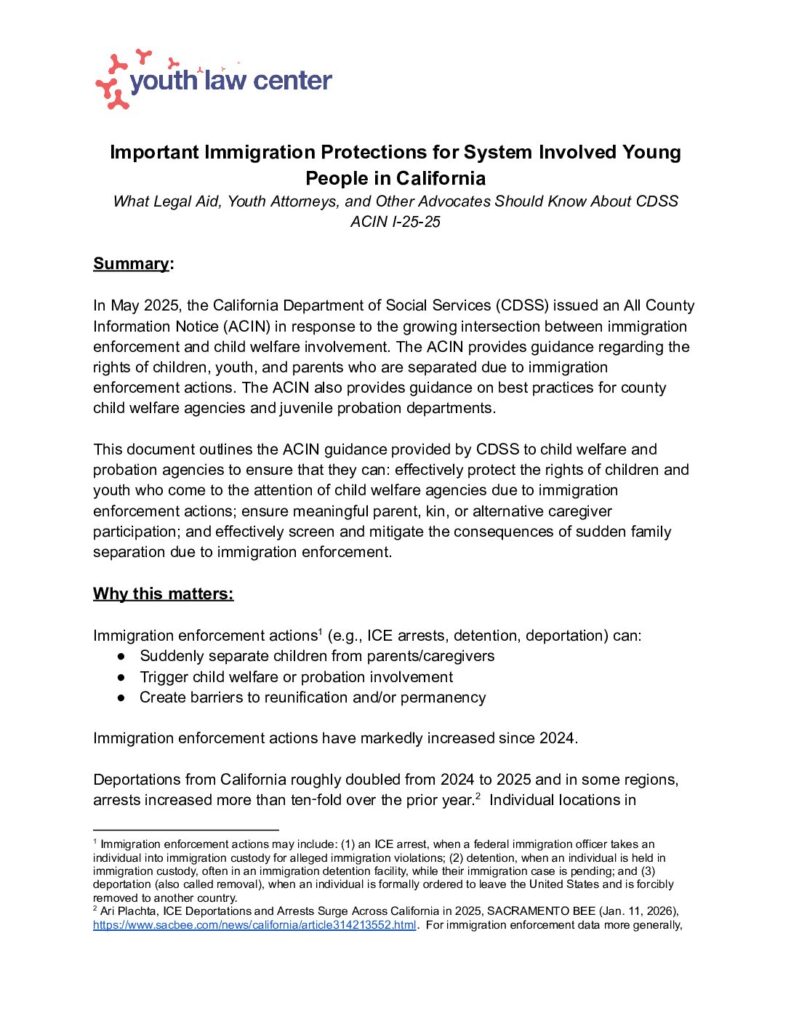
From the Summary of this practice guide by Youth Law Center: “In May 2025, the California Department of Social Services (CDSS) issued an All County Information Notice (ACIN) in response to the growing intersection between immigration enforcement and child welfare involvement. The ACIN provides guidance regarding the rights of children, youth, and parents who are…
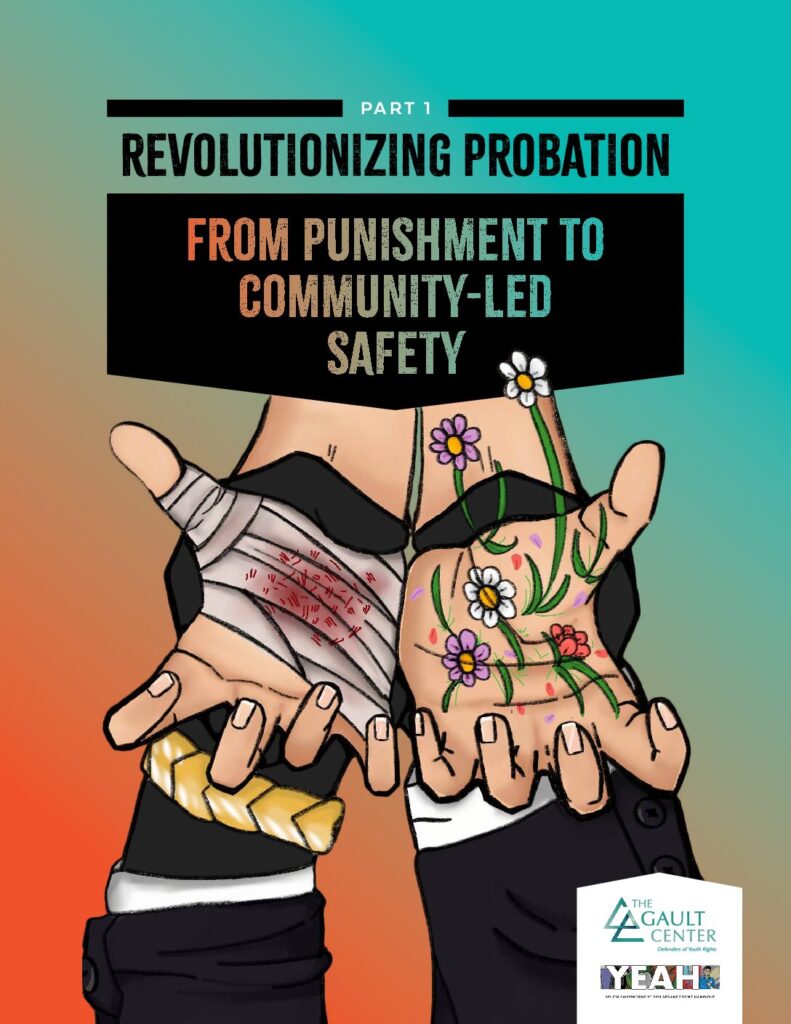
Examines young people’s experiences on juvenile probation and the racialized history of juvenile probation in our country.
From the resource by Children’s Rights: “Every child deserves to grow up supported by family, connected to community, and free from fear. Yet federal immigration policies systematically undermine these basic rights, subjecting immigrant children to family separation, detention in harmful settings, and isolation from community supports. These harms are the result of deliberate policy choices…
From the R Street Institute: “Juvenile crime has captured headlines and consumed policymaking conversations in recent months. In fact, say six out of 10 major city mayors say juvenile crime is a problem in their city. But despite the temptation to “get tough” on all children who run afoul of the law, the research is clear: Harsher punishments, trying youth…

The Health and Reentry Project highlights promising Medicaid policy changes that promote continuity of care for young people returning to their communities following incarceration. The changes will support reentry for young people who are eligible for Medicaid or the Children’s Health Insurance Program by introducing them to services that would start 30 days before release…
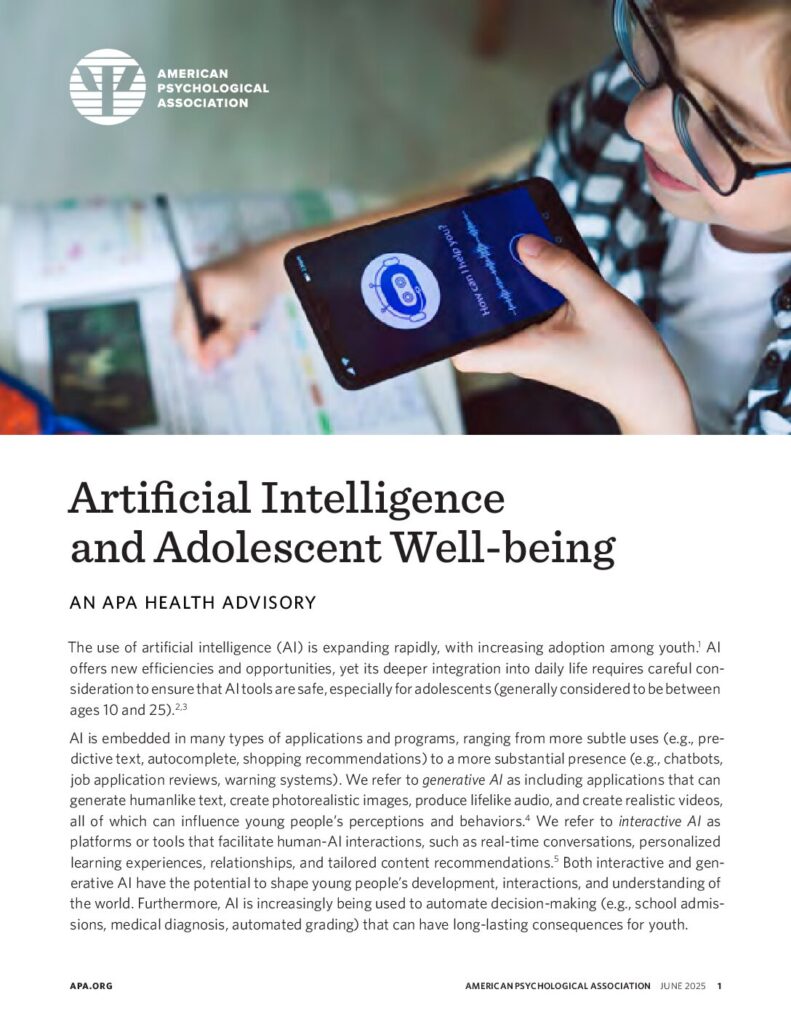
The American Psychological Association’s health advisory examines the growing use of AI among youth. While AI offers many benefits, its increasing role in children’s daily lives requires careful consideration. Because AI is embedded in many applications that shape perceptions and behaviors, it can have lasting impacts on children’s development. The advisory outlines these potential risks and offers recommendations to…

This letter was prepared by a group of organizations in California to the Los Angeles County Probation Department and County Board of Supervisors stating “In light of recent federal developments including an alarming increase in immigration enforcement actions, we, the undersigned organizations, write to urge you to review your protocols and ensure they are consistent…

A resource guide to navigate a personal or group reading journey of Norma Wong’s “When No Thing Works.” This guide provides questions to accompany each chapter of the book as well as resources for hosting your own Navigation Circle.

A sample memorandum of understanding (MOU) between the Hamilton County Juvenile Court detention center and a community mental health service provider.

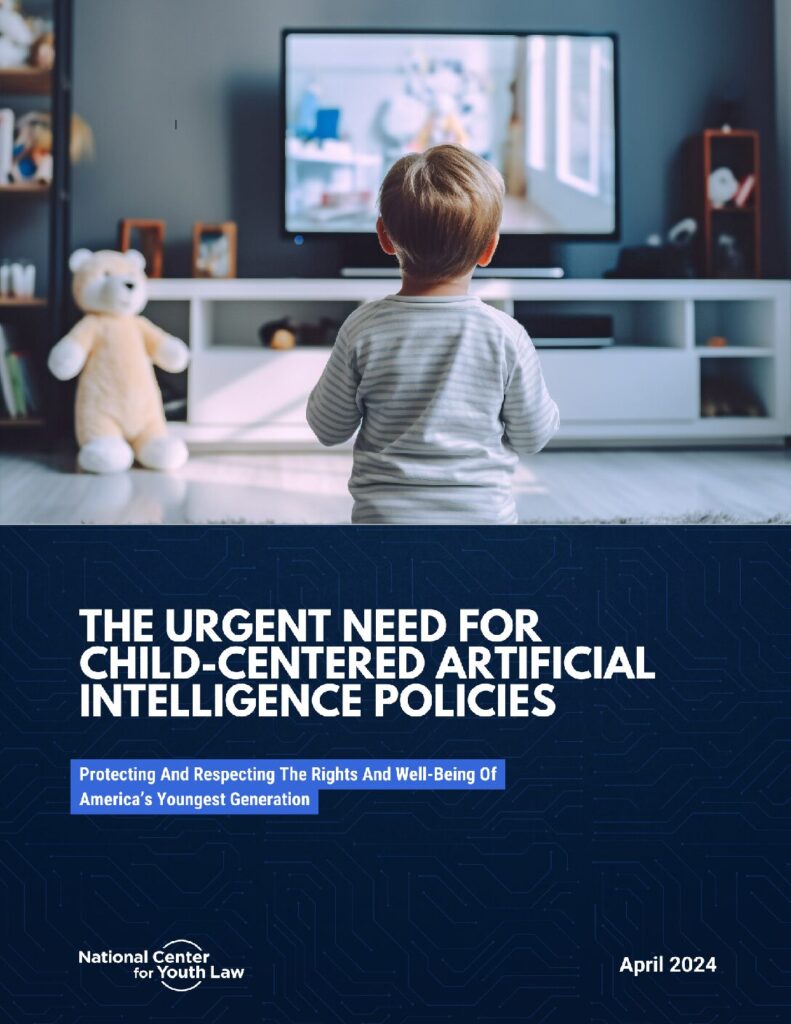
This report by the National Center for Youth Law urges policymakers and decisionmakers to center the rights and well-being of children and youth in AI policy. It highlights the risks of AI reinforcing bias and inequality in areas such as child welfare, education, healthcare, juvenile justice, and immigration, while emphasizing the need to protect children’s…


This research report provides an overview of and recidivism rates for a unique multidisciplinary intervention program for youth charged with weapons offenses (GATE/JWOP Program). The report discusses the study methods, 6- and 12-month recidivism rates for the studied cohort, and potential for expansion of the program to applicable state and national jurisdictions. From the Discussion…


“The week of December 10, 2018, Congress passed H.R. 6964, the Juvenile Justice Reform Act of 2018 (the Act) with overwhelming bipartisan support. The President signed the bill into law on December 21, 2018, amending the Juvenile Justice Delinquency Prevention Act (JJDPA) after years of collaborative efforts among juvenile justice organizations and advocates across the…

From the introduction: “This report will describe, dissect, and draw lessons from Connecticut’s striking success in juvenile justice reform for other states and communities seeking similar progress. The first section details the timeline and dimensions of change in Connecticut’s juvenile justice system over the past two decades. In 1992, Connecticut routinely locked up hundreds of…

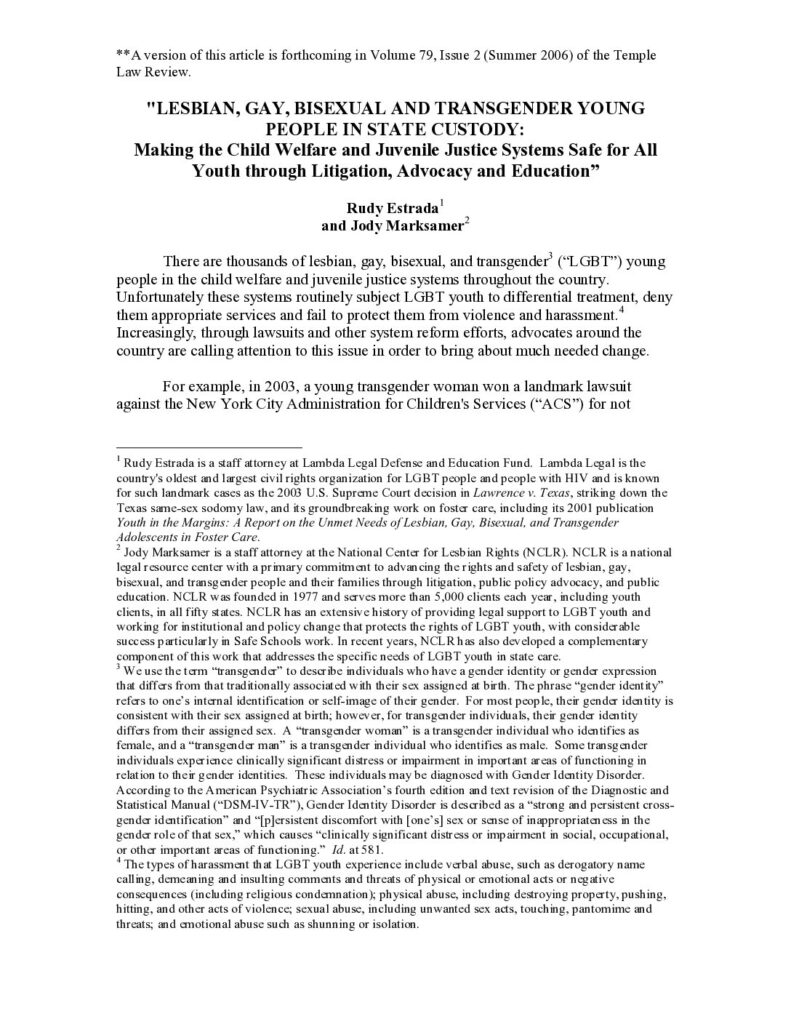
From the Conclusion: “For too long, LGBT young people in the child welfare and juvenile justice systems have been overlooked, ignored and mistreated. Because of the hard work of hundreds of advocates who have come together through coordinated national efforts, a cultural shift has begun. These advocates are creating effective nondiscrimination policies, best practices guidelines,…
