

From the Sentencing Project: “Despite their many flaws, juvenile courts are better for youth who break the law than are adult courts. Contrary to critics’ beliefs, juvenile courts regularly address serious and violent crimes. Juvenile courts do not offer a “slap on the wrist;” they often issue harsh punishments. The frequent alternative, sending youth to…
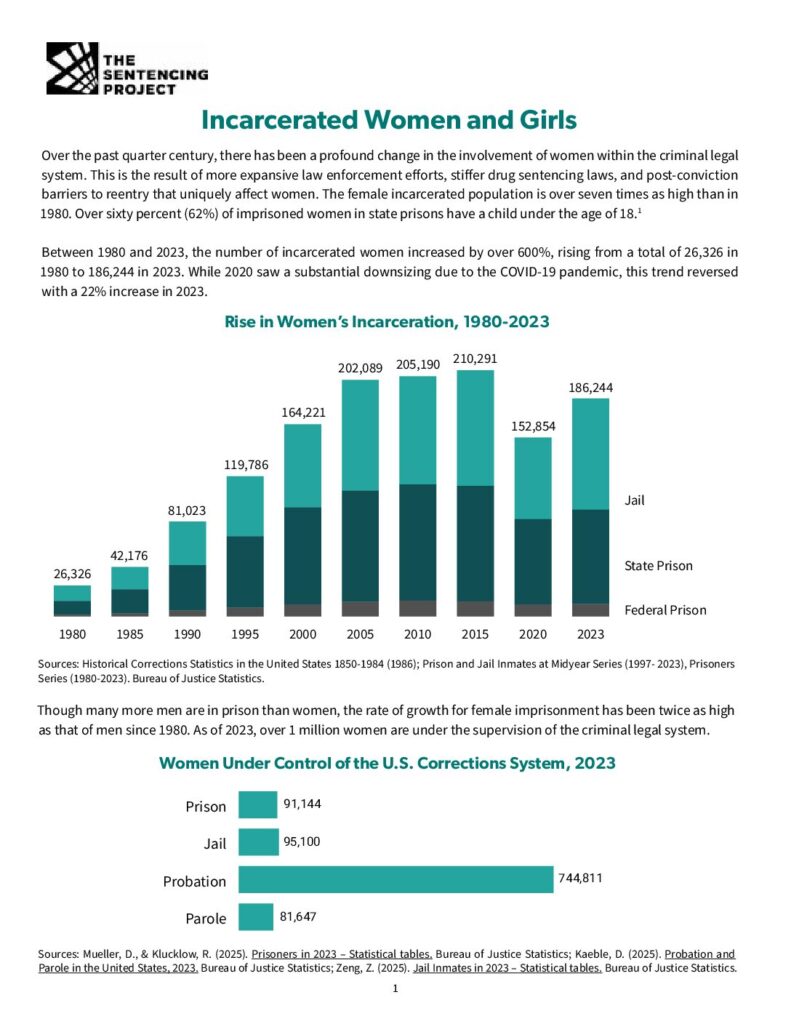
This report, by The Sentencing Project, examines the changes in involvement of women and girls in the criminal and juvenile legal system over the past quarter century. The report includes data examining the rise of women and girls’ incarceration in jails, state and federal prisons, residential placement centers, as well as women under the control of the U.S. Corrections systems through probation or parole., This…
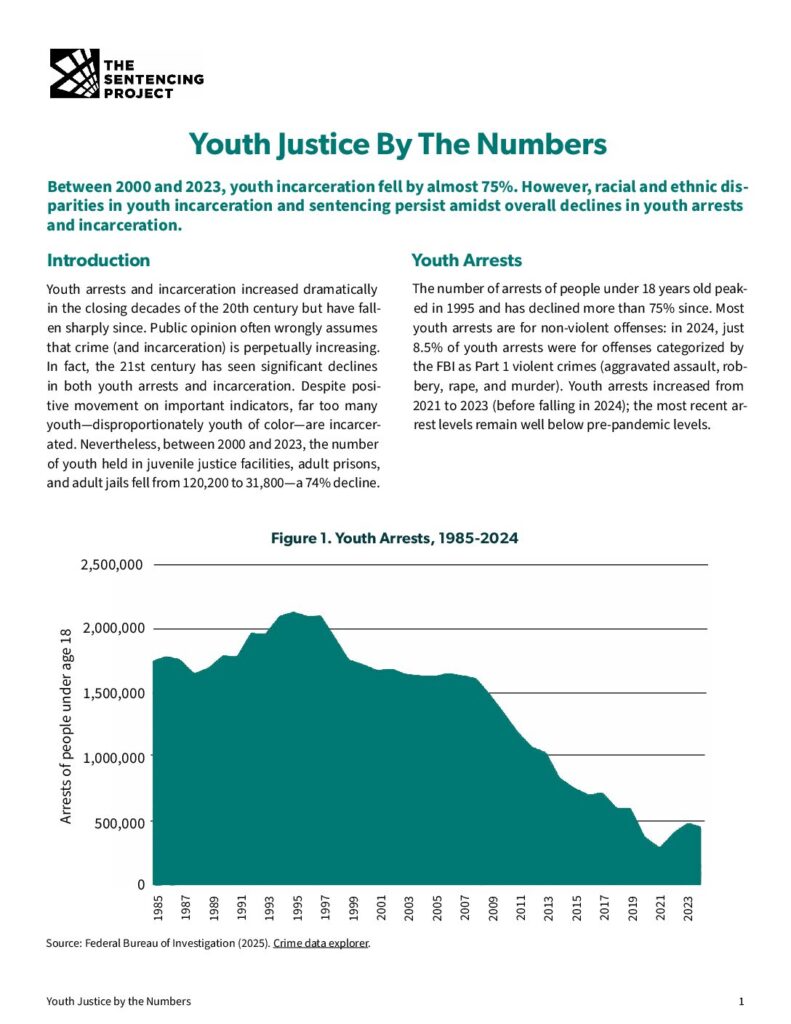
The Sentencing Project released an updated snapshot of the numbers of youth in the juvenile legal system from 2000 to 2023, finding significant declines in youth arrests and incarceration, though racial and ethnic disparities persist. The report calls for the need to continued shrinking the juvenile legal system by increasing informal or diversionary responses to youth arrests. Introduction: “Youth arrests and incarceration increased dramatically in the closing…
The Oregon Court of Appeals held that the trial court erred where it failed to instruct the jury on the “choice-of-evils” defense. The court stated in relevant part: Regarding the first assignment of error, we review a trial court’s refusal to provide a requested jury instruction for legal error. State v. Jackson, 334 Or App…
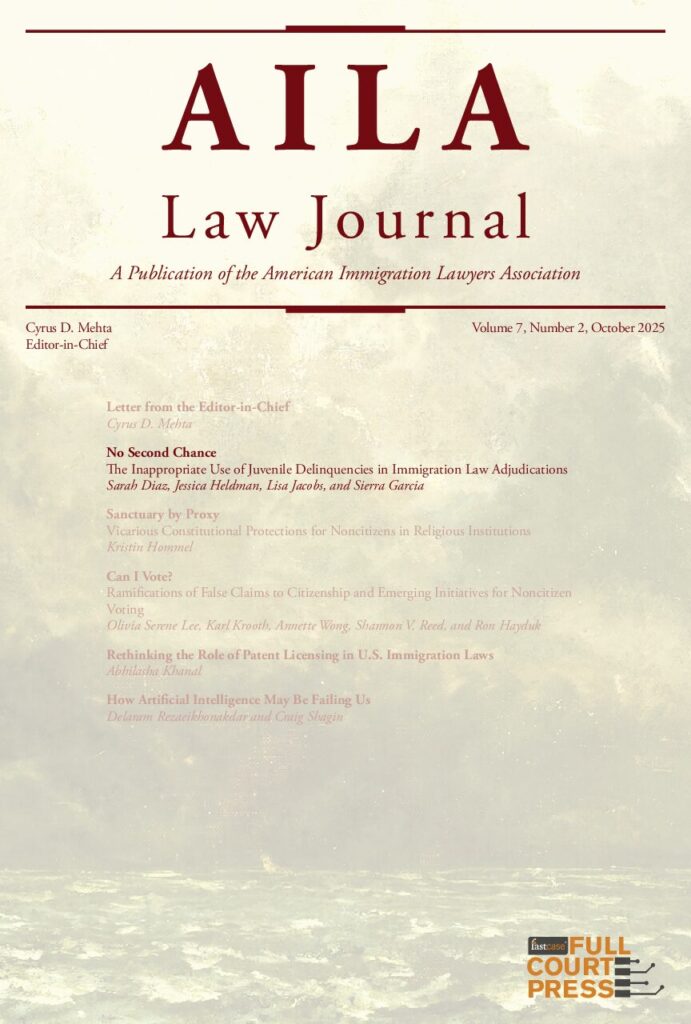
Abstract: “Records generated by youth legal systems—or “juvenile justice systems”—are increasingly being used against young people in immigration proceedings. This practice undermines the core purpose of these youth-focused systems and can have devastating, life-altering consequences, including the denial of immigration benefits or deportation. Juvenile justice systems in the United States are founded on the recognition…

This report from National Institute for Criminal Justice Reform offers six principles of a positive youth justice system (‘PYJS’) including: 1) Minimize contact with the juvenile justice system, 2) partner with youth and families to develop and share ownership of case plans, 3) community-based organizations should take the lead, 4) build on youth assets and…
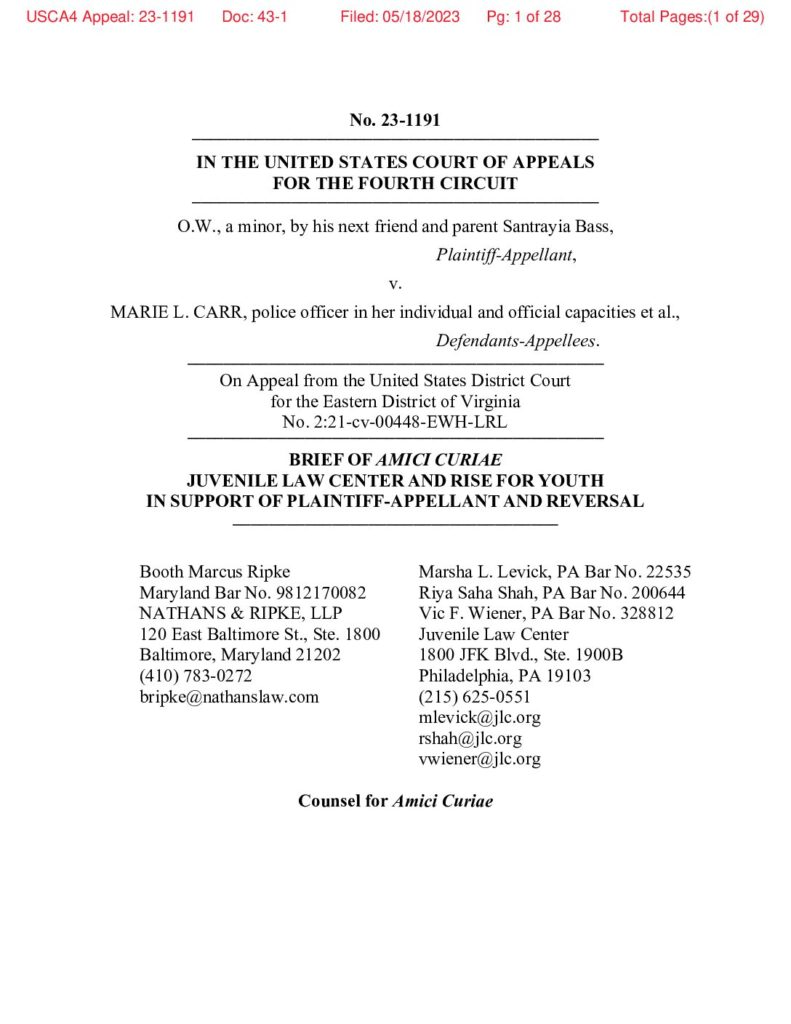
This amicus brief by the Juvenile Law Center and Rise for Youth argues schools and school officials are increasingly entangled with law enforcement, especially, through the use of school resource officer programs, impacting students’ constitutional rights. The brief argues that O.W., a 13-year old student in this case, had his Fifth Amendment rights violated when his vice principal and the school resource officer compelled him to make an incriminating statement…
