
Racial Justice
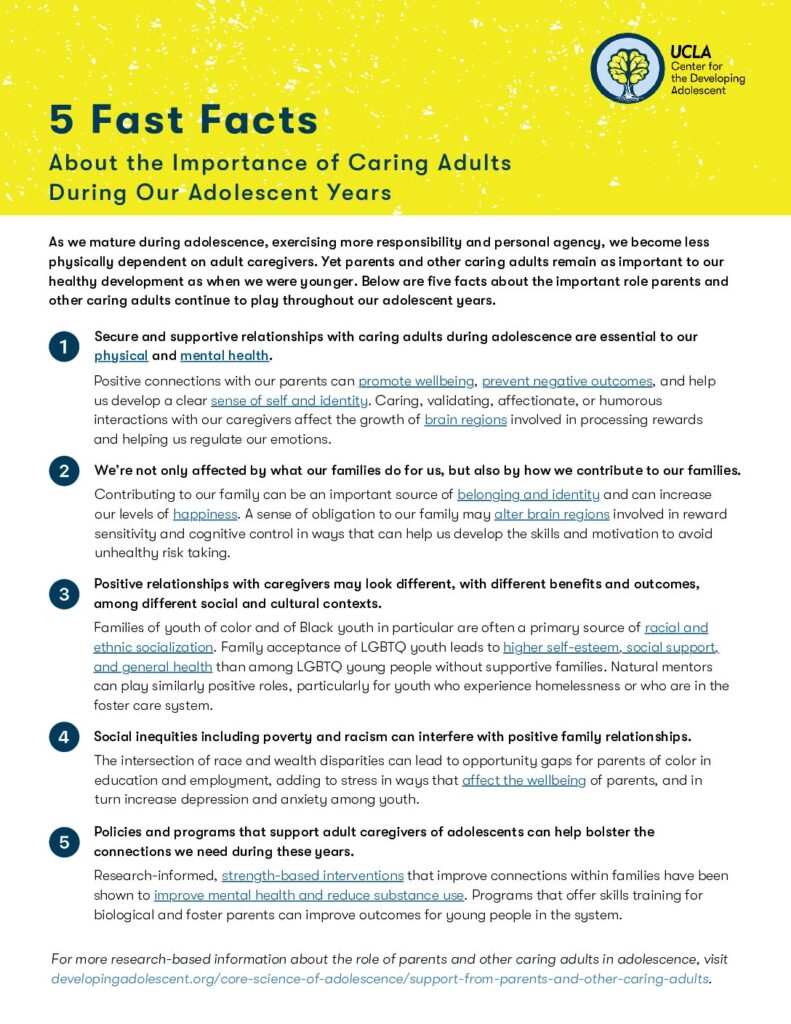
From the introduction: “As we mature during adolescence, exercising more responsibility and personal agency, we become less physically dependent on adult caregivers. Yet parents and other caring adults remain as important to our healthy development as when we were younger. Below are five facts about the important role parents and other caring adults continue to…


From the introduction: “This Essay centers disability as a lens for analysis in Fourth Amendment jurisprudence. This Essay discusses the ways in which disability mediates interactions with law enforcement and how Fourth Amendment doctrine renders disabled people vulnerable to police intrusions and police violence. More specifically, this Essay critiques the Terry doctrine, consensual encounters, consent…
This guide contains databases and webpages helpful to identify reliable statistics on race and ethnicity within the juvenile legal system. Some sources provide only national data, while others provide state and local data by jurisdiction.


This brief by the Black Attorneys of Legal Aid, Bronx Defenders, and Brooklyn Defenders was filed in support of petitioners in the Bruen case. The brief points to the racialized history of denying Black and Latine people lawful licenses to carry guns and outlines racial disparities in gun possession cases. Amici submit this brief “because we…
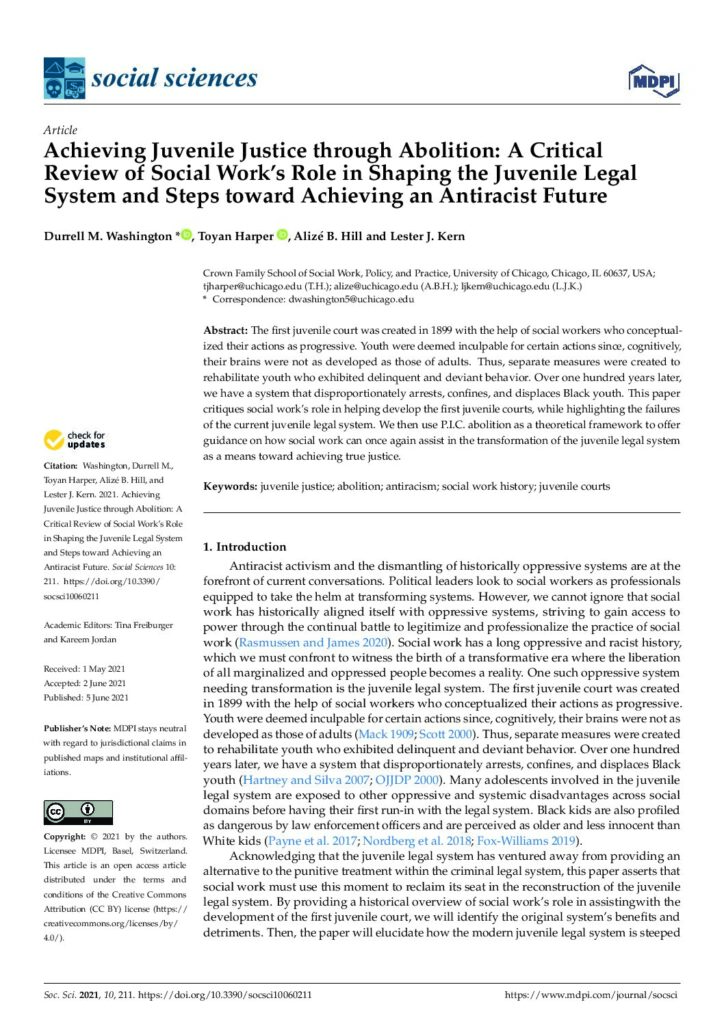

The words we choose have a significant impact on the young people we serve. We may inadvertently use language laden with bias, disapproval, and negative judgment that can impact youths’ perceptions of themselves. Our language can also impact our own thinking and decision-making. In Part I of this guide, we hope to break down some…

Much the impetus for the current debate about bias in psychological testing is based on well-documented, consistent, and substantive differences between IQ scores of Whites, Hispanics, and Blacks in the U.S.A. Various explanations are offered for these differences including the idea that IQ tests are inherently biased against Blacks, Hispanics, and possibly other ethnics groups,…

The landmark case Miranda v. Arizona (1966), the United States Supreme Court required law enforcement agencies to advise all suspects of their “Miranda warnings,” or Constitutional protections, prior to interrogation. Previous research demonstrates that the Miranda warnings in the United States are largely unregulated and highlights how inadequate translations can impact comprehensibility. The present study…

From the abstract: “The term wrongful conviction typically refers to the conviction or adjudication of individuals who are factually innocent. Decades of research has rightfully focused on uncovering contributing factors of convictions of factually innocent people to inform policy and practice. However, in this paper we expand our conceptualization of wrongful conviction. Specifically, we propose…

This article from Education Week examines the implications of the Pasco County sheriff’s office in Florida using school data and records from the Department of Children and Families to create a list of students that were “at-risk for a life of crime.” Data privacy experts shared with the media that the actions of the Sheriff’s…
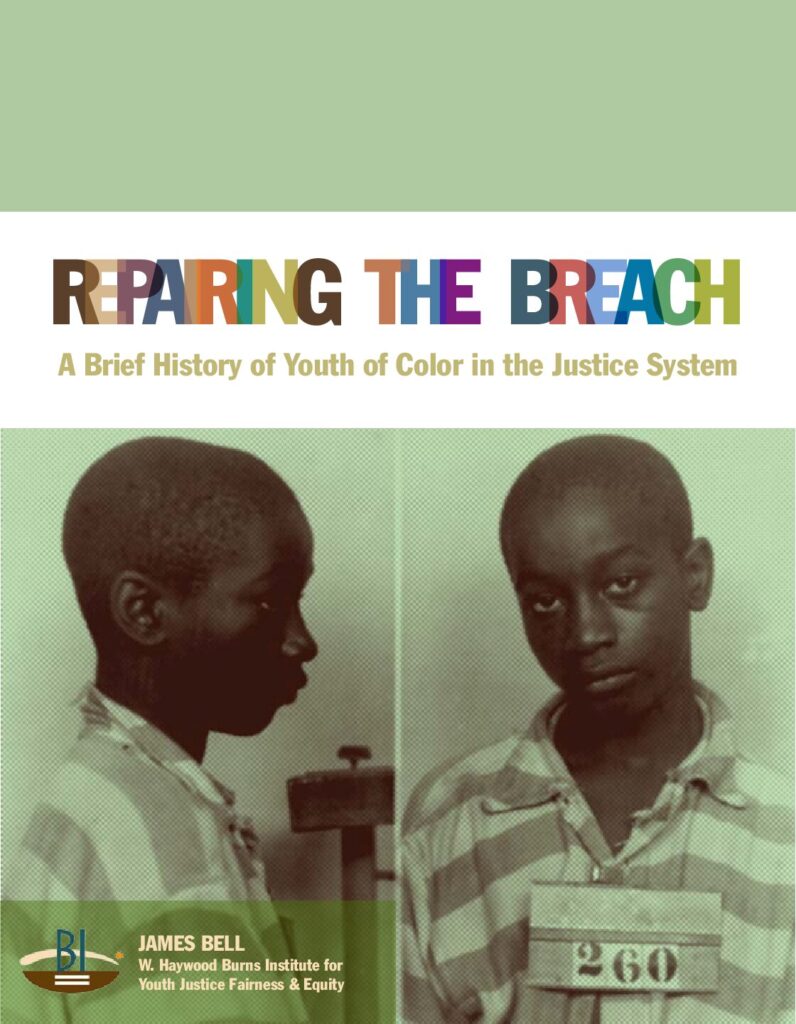
The W. Haywood Burns Institute for Youth Justice Fairness & Equity released a report outlining the history of how youth of color have been treated in the juvenile legal system over time as a framework for meaningfully engaging in the fight against mass incarceration. “Trying to meaningfully address the unacceptable levels of racial and ethnic…

From the introduction: “Justice Policy Institute found that the average cost of the most expensive confinement option for a young person in 48 states was $588 per day, or $214,620 per year. The data show that in 40 states taxpayers spend at least $100,000 a year for a single young person’s confinement, and in 12…


Advocates in Maryland created a series of short policy briefs to educate community members about pressing issues. You can see the others in this series here under “Sample Legislative Advocacy Briefs” on the Policy Page of the Racial Justice Toolkit.


