
Conditions of Confinement


From the introduction: “The COVID-19 pandemic has laid bare the dangers of the juvenile legal system; this should make it harder to look away from the societal inequities that are exacerbated by youth incarceration. Indeed, the current moment, including the unprecedented nationwide protests in response to the murders of George Floyd and Breonna Taylor in…


On April 14, 2022, the DOJ filed a complaint against the South Carolina Department of Juvenile Justice for depriving youth confined in the Broad River Road Complex facility of their constitutional rights. The complaint highlights Fourteenth Amendment violations, namely that the Department of Juvenile Justice “(i) failed to reasonably protect children from youth-on-youth violence; and…

On April 14, 2022, the DOJ released its investigation findings of South Carolina Department of Juvenile Justice’s Broad River Road Complex. The investigation finds “, that there is reasonable cause to believe, based on the totality of the conditions, practices, and incidents, that: (1) the conditions at the Broad River Road Complex (BRRC), South Carolina’s…

On April 14, 2022, the DOJ entered into a settlement agreement with the South Carolina Department of Juvenile Justice to remedy conditions that violated young people’s constitutional rights at the Broad River Road Complex facility. The settlement agreement includes provisions that the Department “shall, at all times, provide youth at BRRC with safe living conditions,”…

On December 21, 2021, the DOJ released its investigation of the Connecticut Manson Youth Institution, finding that the conditions violate young people’s rights under the Eighth and Fourteenth Amendments and the Individuals with Disabilities Education Act. In its Investigation, the DOJ stated “specifically, we find that Manson’s isolation practices and inadequate mental health services seriously…


On May 26, 2021, the DOJ filed a Statement of Interest in a federal class action lawsuit on behalf students confined in the DC Jail during the Covid-19 pandemic, alleging violations of the Individuals with Disabilities Education Act (IDEA). The DOJ asserted that “[s]tudents with disabilities do not forfeit their right to special education and…

From the introduction: “This paper shares the story behind the successful launch of a specialized correctional unit for emerging adults by three of the people closest and most integral to the experience. It is offered as a guide for jurisdictions that are interested in developing similar programs. It is important to note that this report…

From the conclusion: “Washington, DC has severe racial disparities in its justice-involved population. That should alarm local leadership and its residents. These disparities are rooted in policing practices that target communities of color, a lack of investment and opportunity in historically disadvantaged neighborhoods, and an overly punitive sentencing, parole, and corrections system. The current system…

On September 14, 2020, the DOJ filed a statement of interest involving young people between the ages of 11 and 16 subject to “a broad range of unconstitutional conditions, including unsanitary and unsafe conditions, use of excessive force, overcrowding, lack of recreation and programming, inadequate health and mental health care, and inadequate educational services.” The…

From the introduction: “Justice Policy Institute found that the average cost of the most expensive confinement option for a young person in 48 states was $588 per day, or $214,620 per year. The data show that in 40 states taxpayers spend at least $100,000 a year for a single young person’s confinement, and in 12…


[South Carolina] Department of Juvenile Justice’s Broad River Road Complex: Notice and Investigation
On February 5, 2020, the DOJ sent notice to the Governor of South Carolina regarding the alleged conditions they have reasonable cause to believe violate the U.S. Constitution at the Broad River Road Complex juvenile facility. The notice states, in part, “After carefully reviewing the evidence, we conclude that there is reasonable cause to believe…

On October 22, 2019, the DOJ filed a Statement of Interest in a federal conditions lawsuit, filed on behalf of children with disabilities confined at the Woodside Juvenile Rehabilitation Center in Vermont. The DOJ highlighted language included in the federal First Step Act, 18 U.S.C. § 5043(b)(1) reiterating that juvenile isolation principles “explicitly prohibits the…

Advocates in Maryland created a series of short policy briefs to educate community members about pressing issues. You can see the others in this series here under “Sample Legislative Advocacy Briefs” on the Policy Page of the Racial Justice Toolkit.

On June 26, 2019, the DOJ closed its investigation of the Leflore County Juvenile Detention Center. In its closing letter, the DOJ stated “[w]e recognize that the state has made many improvements at the Detention Center School over the course of our involvement. . . . Specifically, the Detention Center School has made strides to…
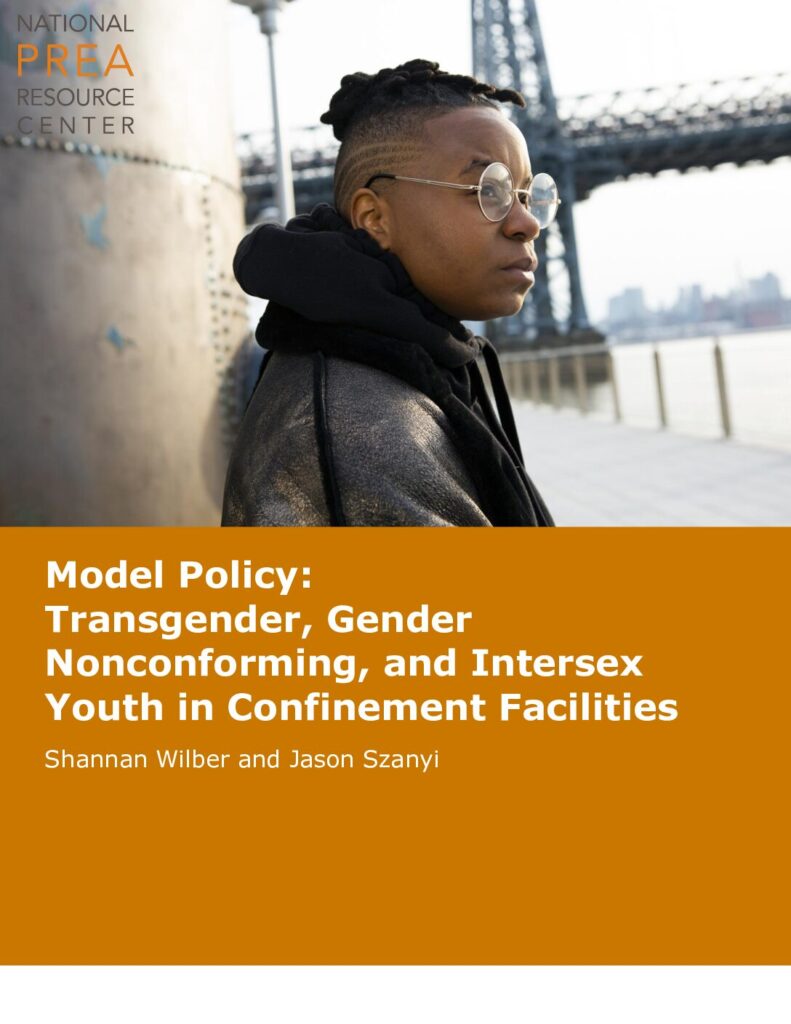

Youth facing time in both secure and non-secure facilities need vigilant advocates who can monitor the conditions of these facilities, and can either prevent the young person’s placement, limit the young person’s length of time in placement, and/or intervene on the young person’s behalf while they are at the placement. Juvenile defenders are ethically bound…

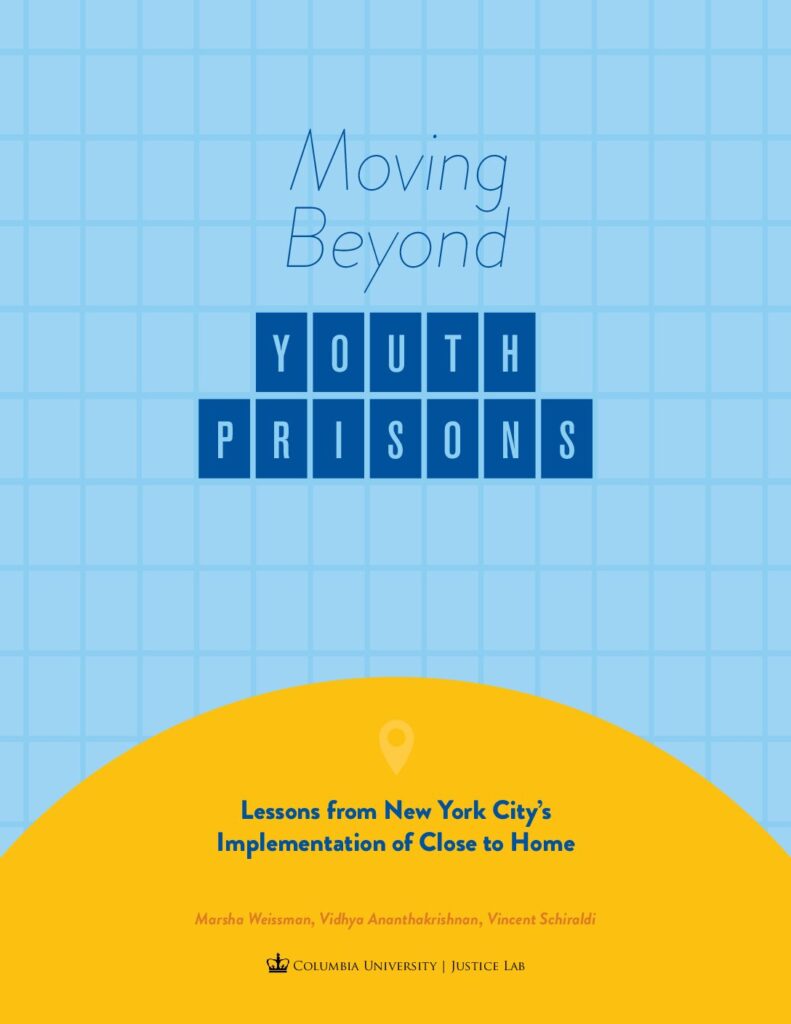
The Columbia University Justice Lab released a report spotlighting New York City’s Close to Home initiative, an effort that reduced the rate of youth sent to state-operated prisons in New York City. “This case study describes the development of the Close to Home (C2H) initiative, beginning with a review of what the system looked like…

