
Structural Racism


From the introduction: “This brief offers context on the youth criminalization crisis in the United States. We then outline a series of harmful elements in the Bipartisan Safer Communities Act. Specifically, we review provisions that: • Increase funding for threat assessments, surveillance, and greater police presence in schools; • Expand data-sharing between law enforcement and…


From the introduction: “The COVID-19 pandemic has laid bare the dangers of the juvenile legal system; this should make it harder to look away from the societal inequities that are exacerbated by youth incarceration. Indeed, the current moment, including the unprecedented nationwide protests in response to the murders of George Floyd and Breonna Taylor in…
This report from The Sentencing Project discusses the state of diversion for youth in the juvenile legal system, existing disparities in diversion and why they are so severe, and strategies for expanding diversion. From the Summary: “Diverting youth from juvenile court involvement should be a central focus in efforts to reduce racial and ethnic disparities…
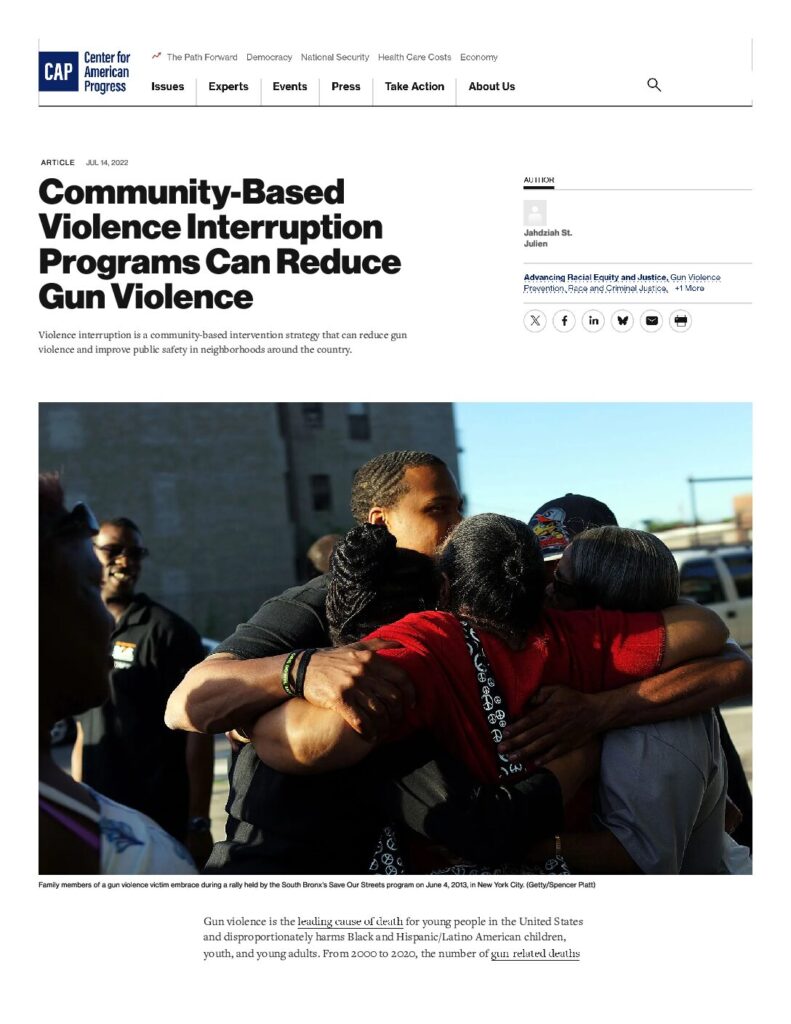
This policy analysis and literature review examines how community-based violence intervention (CVI) programs serve as an evidence-based alternative to punitive, carceral responses to gun violence in communities disproportionately impacted by firearm deaths. It draws on CDC mortality data, program evaluation reports, and organizational documentation from three violence interrupter programs: South Bronx’s Save Our Streets (SOS),…

From the abstract: “This paper introduces a historically informed antiracist approach to psychological practice aimed at disrupting American psychology’s legacy of racism by first saying ‘No More’ to the whiteness engulfing it. Seven historical themes reveal how eugenics, claims to objectivity, white hegemony, white normativity, white saviorism, and various rigged discourses have shaped organized psychology…

The Washington Supreme Court ruled the trial court was required to consider an accused person’s race and ethnicity in the totality of the circumstances when determining whether a person was “seized” in Washington state constitution’s prohibition against unlawful seizure. The court offered the following language in support: As noted above, the article I, section 7…

This article traces the history of racist gun laws and how they interact with the Second Amendment, highlighting the racially disproportionate impact of gun charges on Black and Latine communities. Relevant language from the article includes: “As the courts increasingly look to history and tradition to determine the scope of the right to keep and…

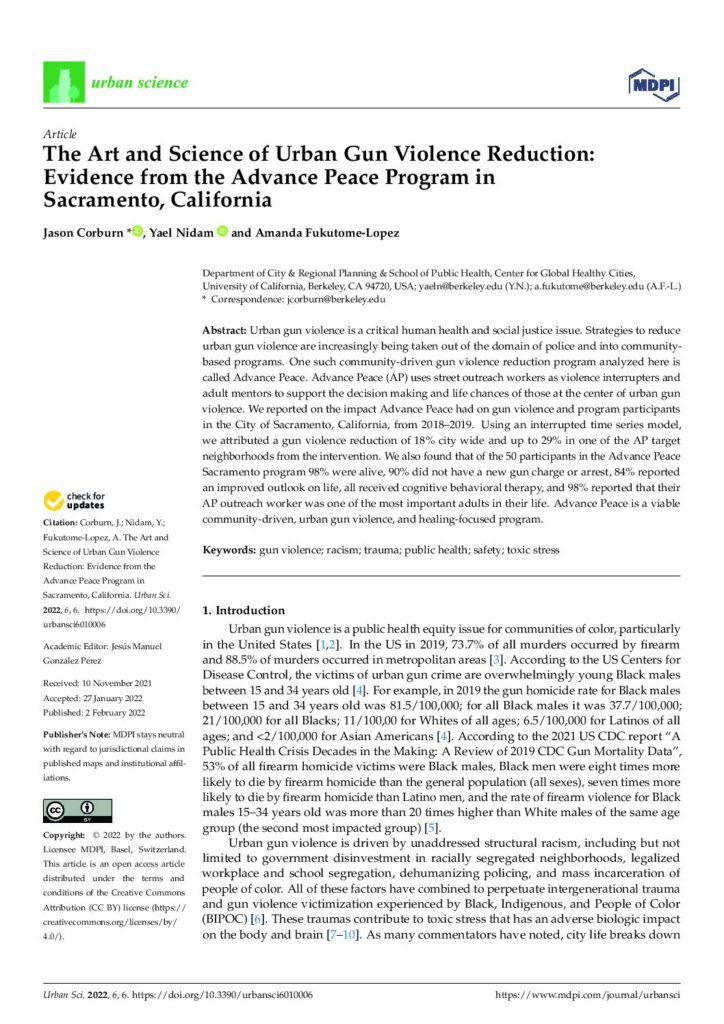
This article from Urban Science evaluates the success rate of the Advance Peace Sacramento gun crime reduction program and concludes that Advance Peace is a model for “urban public safety that combines inter-personal healing and community crime reduction. Abstract: “Urban gun violence is a critical human health and social justice issue. Strategies to reduce urban…

This brief by the Black Attorneys of Legal Aid, Bronx Defenders, and Brooklyn Defenders was filed in support of petitioners in the Bruen case. The brief points to the racialized history of denying Black and Latine people lawful licenses to carry guns and outlines racial disparities in gun possession cases. Amici submit this brief “because we…

From the Urban Institute: Jurisdictions across the country are changing how they administer juvenile probation and better aligning policy and practice with developmental science and positive youth development to improve outcomes for youth, families, and communities. These changes often advance two goals: divert most youth from system involvement altogether and shrink probation caseloads, and change…
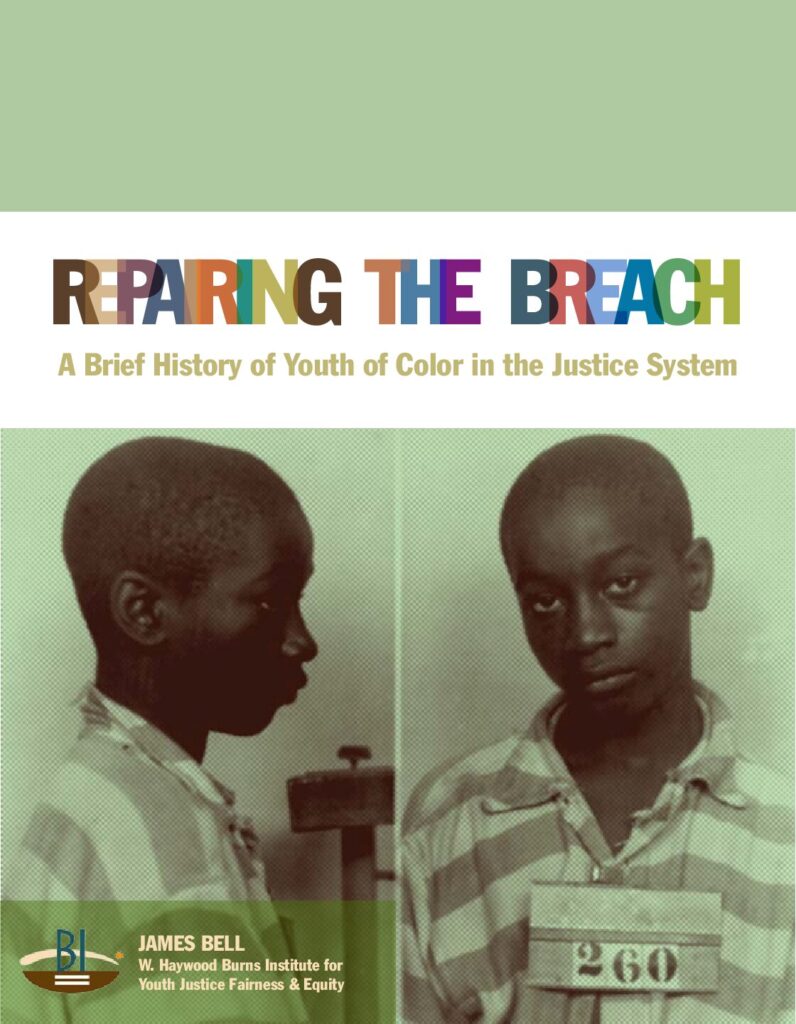
The W. Haywood Burns Institute for Youth Justice Fairness & Equity released a report outlining the history of how youth of color have been treated in the juvenile legal system over time as a framework for meaningfully engaging in the fight against mass incarceration. “Trying to meaningfully address the unacceptable levels of racial and ethnic…

From the abstract: “Today’s left social movements are challenging formal law and politics for their capitulation to a regime of racial capitalism. In this Feature, I argue that we must reconceive our relationship to reform and the popular struggles in which they are embedded. I examine the turn of left social movements to “non-reformist reforms”…

This Article explores how race functions to ascribe and criminalize disability. It posits that for White students in wealthy schools, disabilities or perceived disabilities are often viewed as medical conditions and treated with care and resources. For students of color, however, the construction of disability (if it exists) may be a criminalized condition that is…

From the introduction: “At the turn of the 20th century, states began creating juvenile justice systems because they recognized that children are different from adults, are capable of change, and need support and opportunities for healthy development. Unfortunately, over time these juvenile justice systems became a maze – with many entrances in, and few exits…

From the abstract: “Latinx immigrants living in the United States often experience the negative effects of systemic oppression, which may lead to psychological distress, including ethno-racial trauma. We define ethno-racial trauma as the individual and/or collective psychological distress and fear of danger that results from experiencing or witnessing discrimination, threats of harm, violence, and intimidation…

This is a sample motion from Maryland asking the court to exclude tangible evidence recovered during a stop and arrest based on lack of probable cause for the search. The motion includes arguments about implicit racial bias, structural racism, procedural justice, racial justice, and adolescent brain development.

From the abstract: “As the largest minority group in the United States, Latinas/ os have experienced a long history of discrimination, prejudice, and stigmatization as gang members. A contemporary survey of law enforcement agencies reported that Latinos continue to be the largest proportion of any racial or ethnic group involved in gangs. To describe such…

“Three widely discussed explanations of the punitive carceral state are racism, harsh drug laws, and prosecutorial overreach. These three narratives, however, only partially explain how our correctional system expanded to its current overcrowded state. Neglected in our discussion of mass incarceration is our largely forgotten history of the long-term, wholesale institutionalization of the disabled. This…

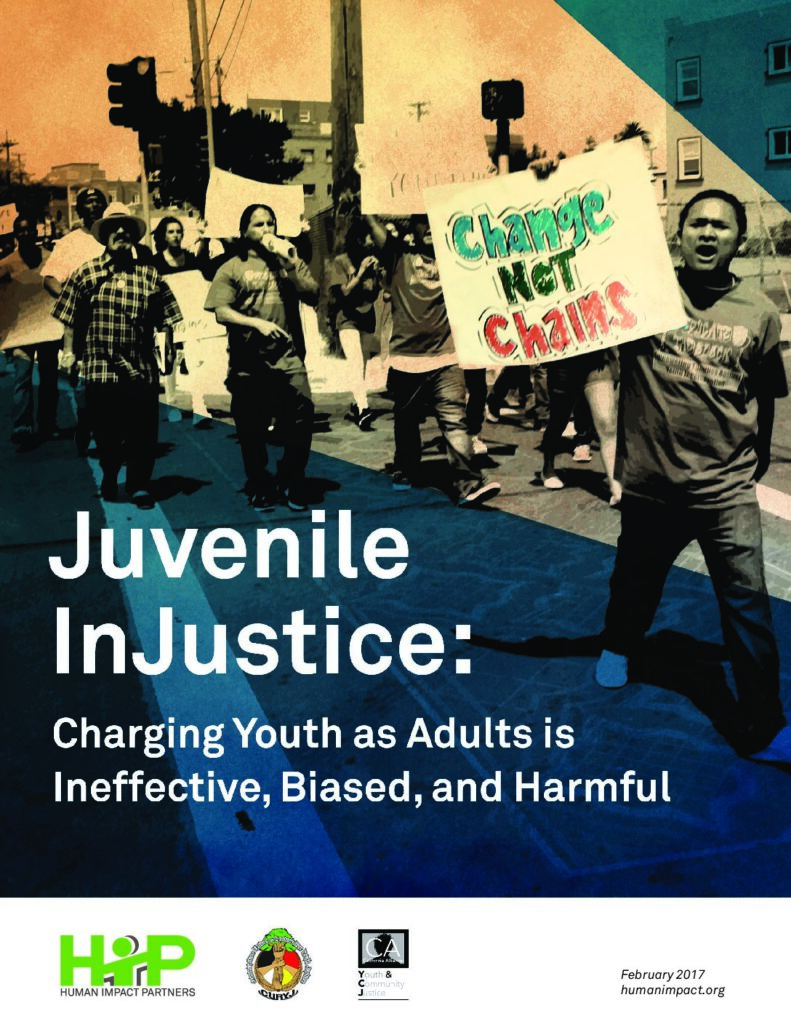
This report from Human Impact partners, CURYJ, and the California Alliance for Youth & Community Justice looks at the impact of transfer on young people in California using a Health Impact Approach (HIA). From the report: “This report evaluates the health and equity impacts of charging youth as adults in criminal court. Our goal is…
