
Latine Youth


From the introduction: “This brief offers context on the youth criminalization crisis in the United States. We then outline a series of harmful elements in the Bipartisan Safer Communities Act. Specifically, we review provisions that: • Increase funding for threat assessments, surveillance, and greater police presence in schools; • Expand data-sharing between law enforcement and…

From the abstract: “Disabled people are disproportionately incarcerated and segregated from society through a variety of institutions. Still, the links between disability and incarceration are underexplored, limiting understanding of how carceral institutions punish and contribute to the social exclusion of disabled people. Using data from the 2016 Survey of Prison Inmates, we estimated disability prevalence…

From the introduction: “The COVID-19 pandemic has laid bare the dangers of the juvenile legal system; this should make it harder to look away from the societal inequities that are exacerbated by youth incarceration. Indeed, the current moment, including the unprecedented nationwide protests in response to the murders of George Floyd and Breonna Taylor in…
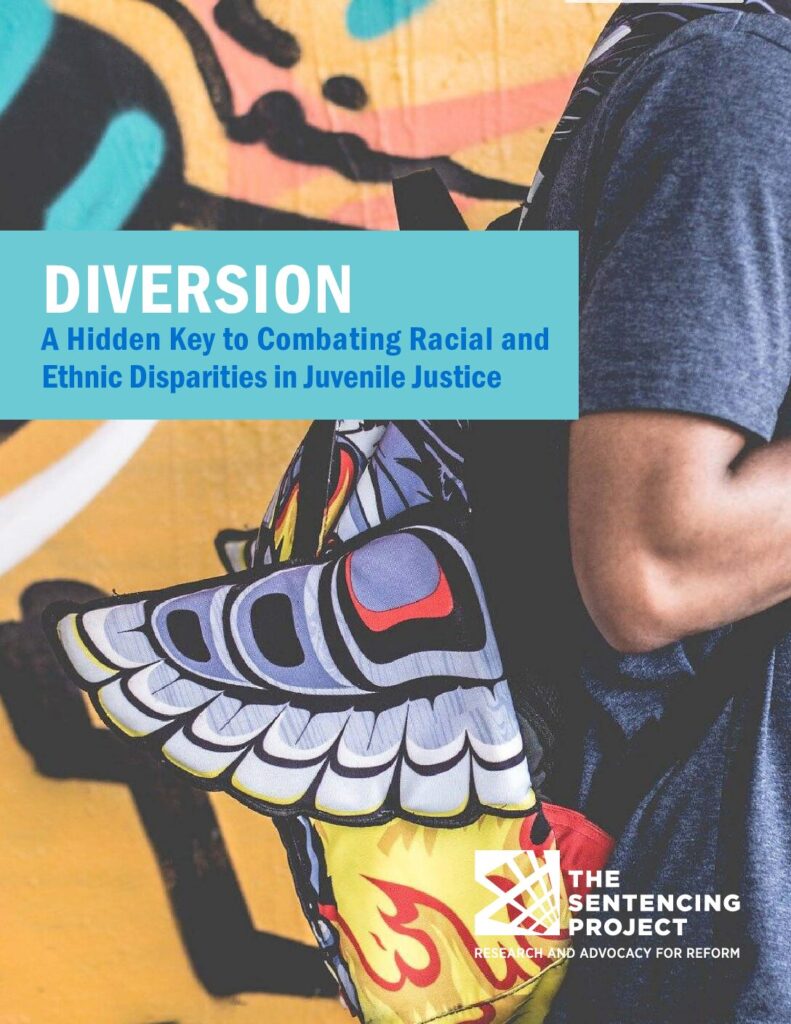
This report from The Sentencing Project discusses the state of diversion for youth in the juvenile legal system, existing disparities in diversion and why they are so severe, and strategies for expanding diversion. From the Summary: “Diverting youth from juvenile court involvement should be a central focus in efforts to reduce racial and ethnic disparities…
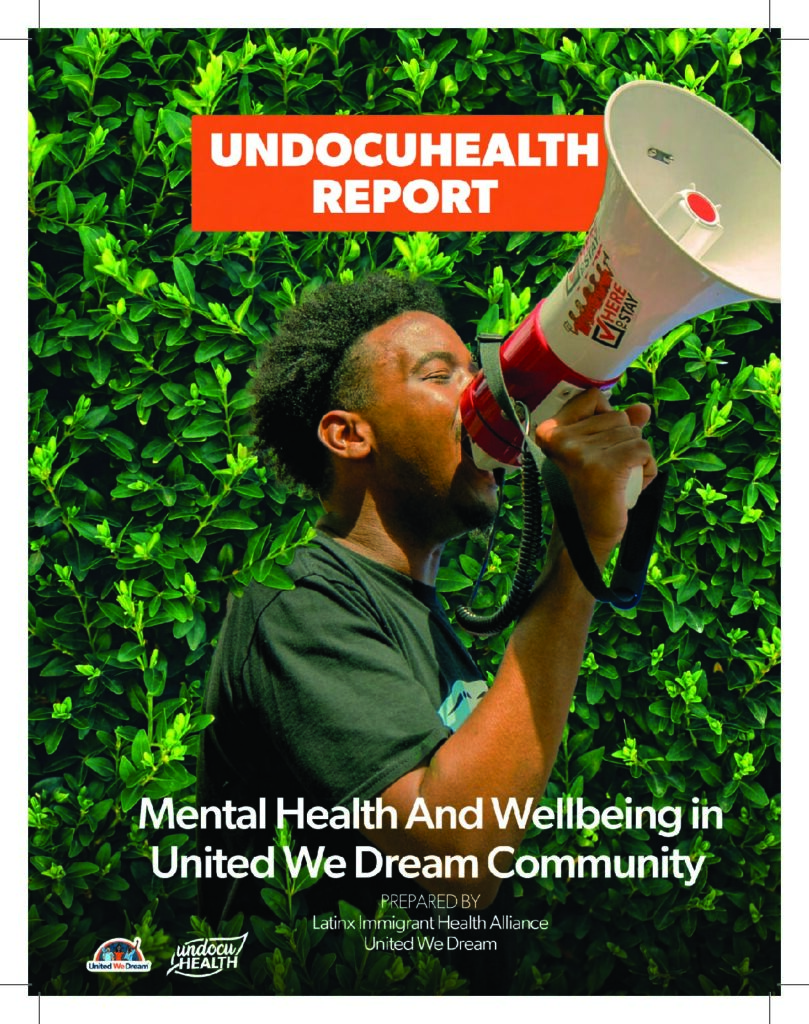
United We Dream and the Latinx Immigrant Health Alliance released a report issuing survey findings of over 600 undocumented youth and adults on the impact of COVID-19 and the constant threat of deportation and detention on their mental health and wellbeing. “Overall, participants reported clinical levels of depression, anxiety and global severity, which was exacerbated by…

This article traces the history of racist gun laws and how they interact with the Second Amendment, highlighting the racially disproportionate impact of gun charges on Black and Latine communities. Relevant language from the article includes: “As the courts increasingly look to history and tradition to determine the scope of the right to keep and…
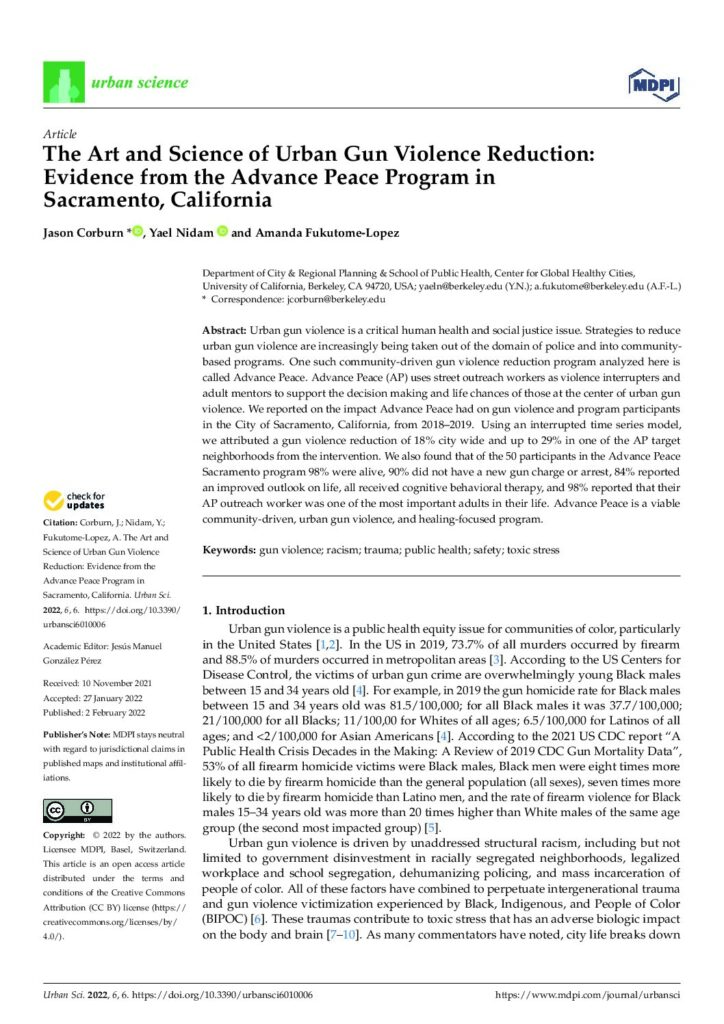
This article from Urban Science offers findings from a successful gun crime reduction program called Advance Peace Sacramento and also provides information on a model program for urban public safety for other jurisdictions to adopt. Abstract: “Urban gun violence is a critical human health and social justice issue. Strategies to reduce urban gun violence are…

On December 21, 2021, the DOJ released its investigation of the Connecticut Manson Youth Institution, finding that the conditions violate young people’s rights under the Eighth and Fourteenth Amendments and the Individuals with Disabilities Education Act. In its Investigation, the DOJ stated “specifically, we find that Manson’s isolation practices and inadequate mental health services seriously…
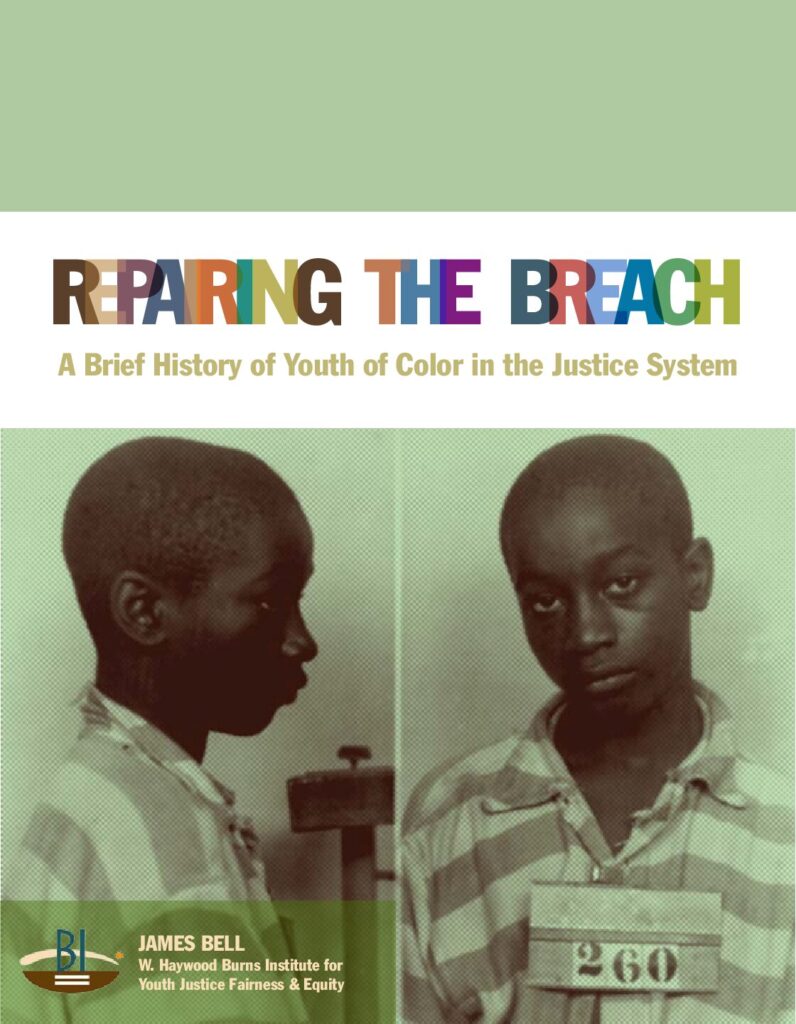
The W. Haywood Burns Institute for Youth Justice Fairness & Equity released a report outlining the history of how youth of color have been treated in the juvenile legal system over time as a framework for meaningfully engaging in the fight against mass incarceration. “Trying to meaningfully address the unacceptable levels of racial and ethnic…

From the introduction: “Justice Policy Institute found that the average cost of the most expensive confinement option for a young person in 48 states was $588 per day, or $214,620 per year. The data show that in 40 states taxpayers spend at least $100,000 a year for a single young person’s confinement, and in 12…

From the introduction: “Communities across the country have come together to demand meaningful changes to law enforcement practices in the wake of the tragic murders of George Floyd, Breonna Taylor, and Rayshard Brooks at the hands of the police. The focus has rightly been on how deadly police actions have had an outsized impact on…

This Article explores how race functions to ascribe and criminalize disability. It posits that for White students in wealthy schools, disabilities or perceived disabilities are often viewed as medical conditions and treated with care and resources. For students of color, however, the construction of disability (if it exists) may be a criminalized condition that is…

From the executive summary: ‘This comprehensive study of 804 New York City public middle and high schools sought to isolate the independent impacts of suspension, as well as to disentangle the effects, if any, of student, school, and neighborhood characteristics. Conversely, the study also explored the relationship of restorative justice and other positive practices to…

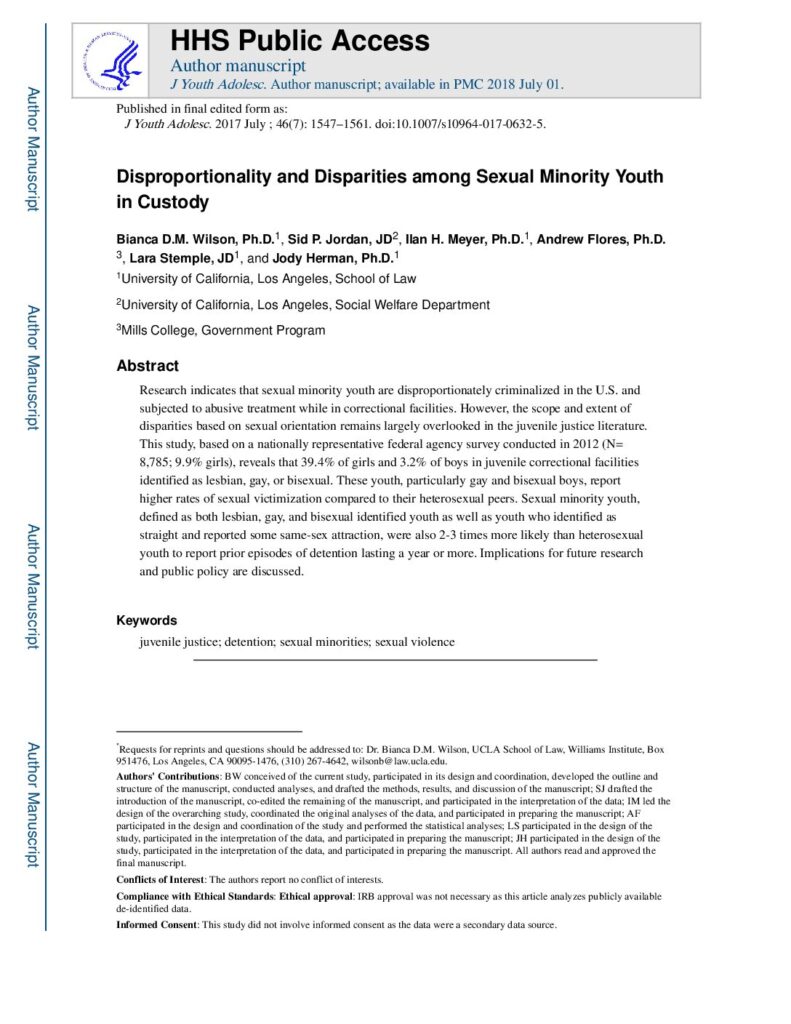
Abstract: Research indicates that sexual minority youth are disproportionately criminalized in the U.S. and subjected to abusive treatment while in correctional facilities. However, the scope and extent of disparities based on sexual orientation remains largely overlooked in the juvenile justice literature. This study, based on a nationally representative federal agency survey conducted in 2012 (N=8,785;…
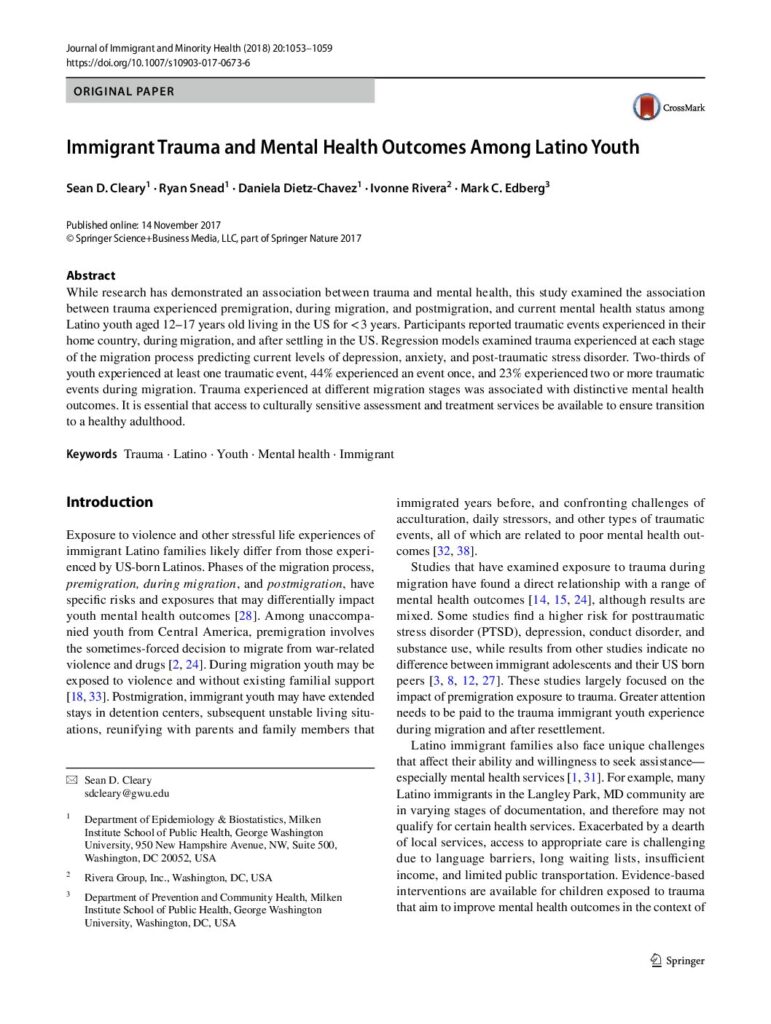
From the Abstract in the Journal of Immigrant and Minority Health: “While research has demonstrated an association between trauma and mental health, this study examined the association between trauma experienced premigration, during migration, and postmigration, and current mental health status among Latino youth aged 12–17 years old living in the US for <3 years. Participants…


From the introduction: “This report will describe, dissect, and draw lessons from Connecticut’s striking success in juvenile justice reform for other states and communities seeking similar progress. The first section details the timeline and dimensions of change in Connecticut’s juvenile justice system over the past two decades. In 1992, Connecticut routinely locked up hundreds of…


From the introduction: “This brief tells the story of how the four Models for Change states—Pennsylvania, Illinois, Louisiana, and Washington—are already moving to reform and reshape their own state juvenile justice systems. These states have demonstrated strong leadership in juvenile justice policy, value collaboration and engagement, and because of their efforts, have changed the political…
- « Previous
- 1
- 2
- 3
- Next »
