

The Florida Fifth District Court of Appeal reversed a resisting arrest adjudication based on a double jeopardy violation. The court stated in relevant part: K.B.’s actions flowed from a single continuous episode. While both officers did act independently of each other during the incident, the facts reflect a joint effort by officers to arrest and…

This guide is meant to help young people in New York understand the collateral consequences to juvenile court involvement and adjudications, and what they can do to overcome those consequences. Written in youth-friendly language, this guide walks through how young people should talk about their juvenile court record and the impact of their record on…
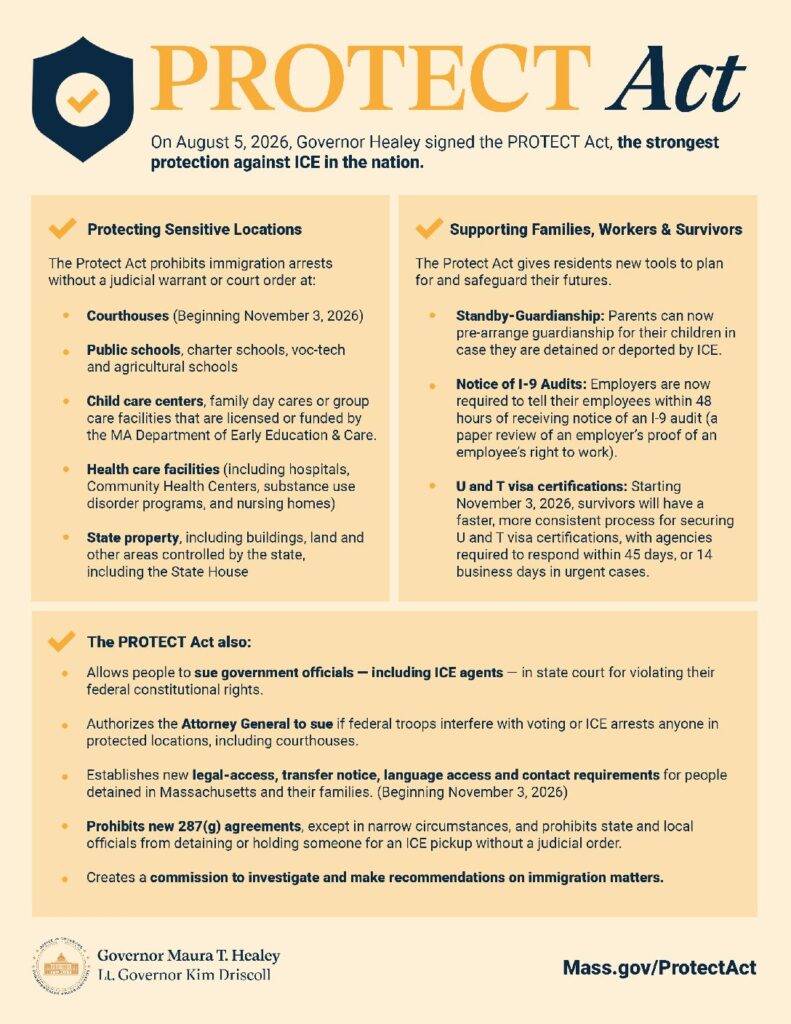
This infographic by the Massachusetts Office of the Governor outlines the key provisions of the PROTECT Act, which was signed into law on August 5, 2026. The Protect Act prohibits immigration arrests without a judicial warrant or court order at courthouses and allows people to sue government officials – including ICE agents – in state…
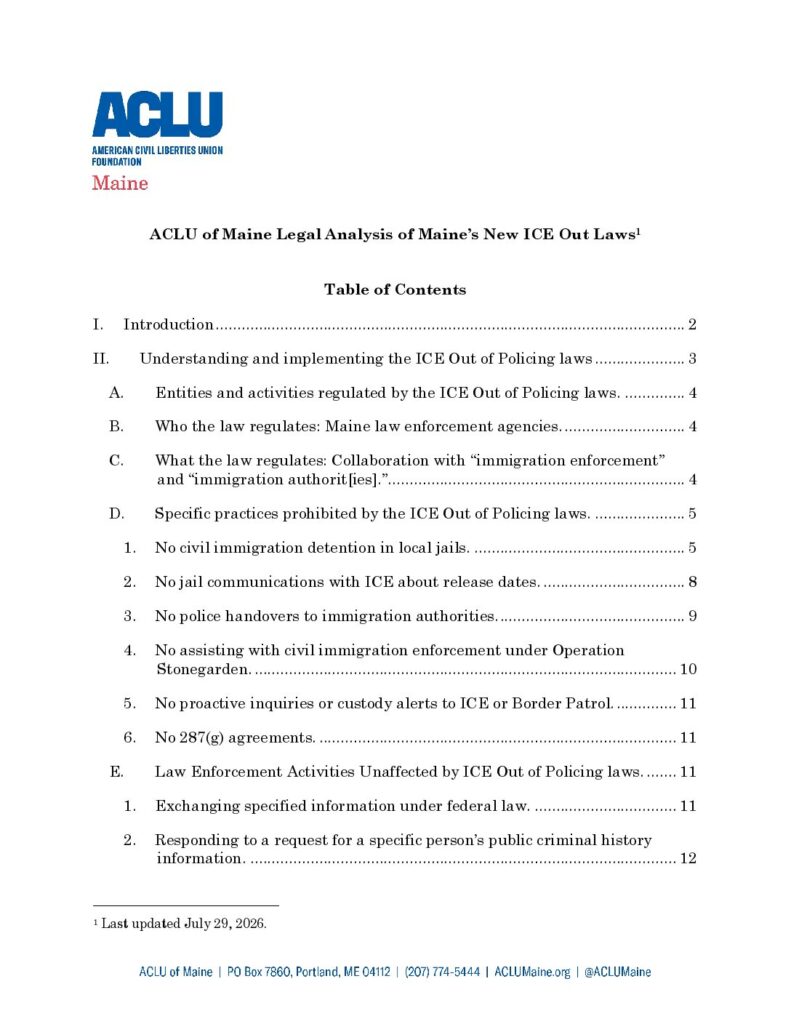
From the introduction by the ACLU of Maine: “In 2025 and 2026, the Maine legislature passed a package of important bills to protect Maine’s immigrant residents and ensure they can access state and local services without fear that doing so will lead them or their loved ones to be targeted by federal immigration authorities. This…
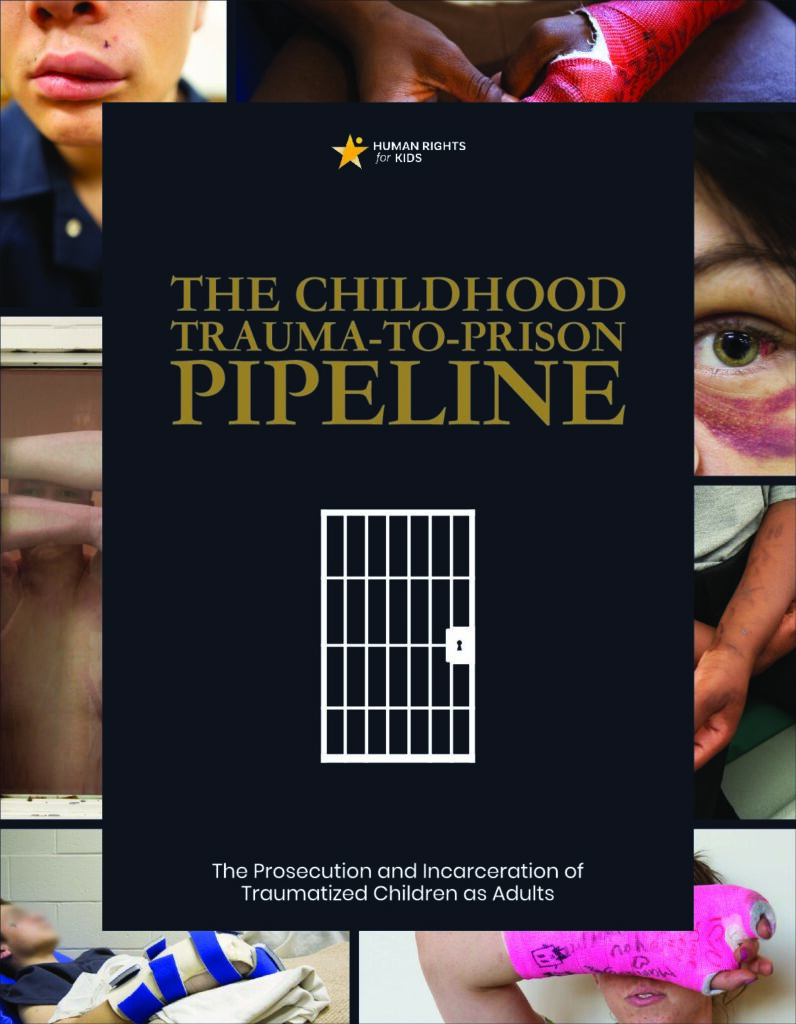
This report from Human Rights for Kids details survey results from 2,200 individuals who were incarcerated as adults for crimes they committed as children. The findings from the report demonstrate the fact that “children tried as adults are often victims long before they became [system-involved],” discusses the intersection between childhood trauma and the legal system,…
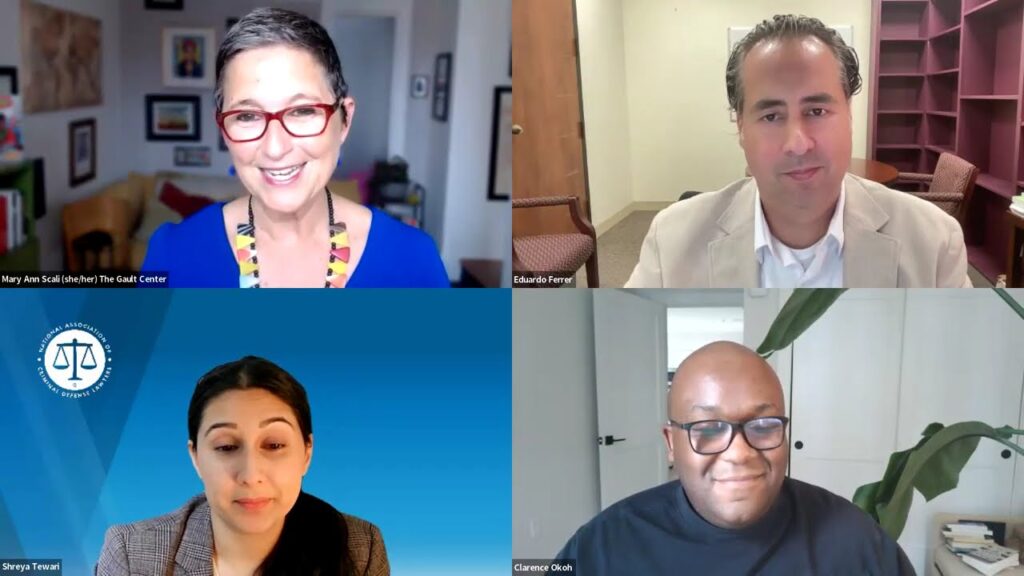
On July 14th, 2026, the Gault Center and the Georgetown Juvenile Justice Clinic & Initiative hosted a webinar on Learning, Litigating, Liberating: Defending Against AI Surveillance of Youth. As AI Surveillance of youth increases in everyday lives from “bullying monitors” to vape detection to facial recognition and so much more, this webinar provides an overview of how and where AI Surveillance is being used and what youth defenders and…
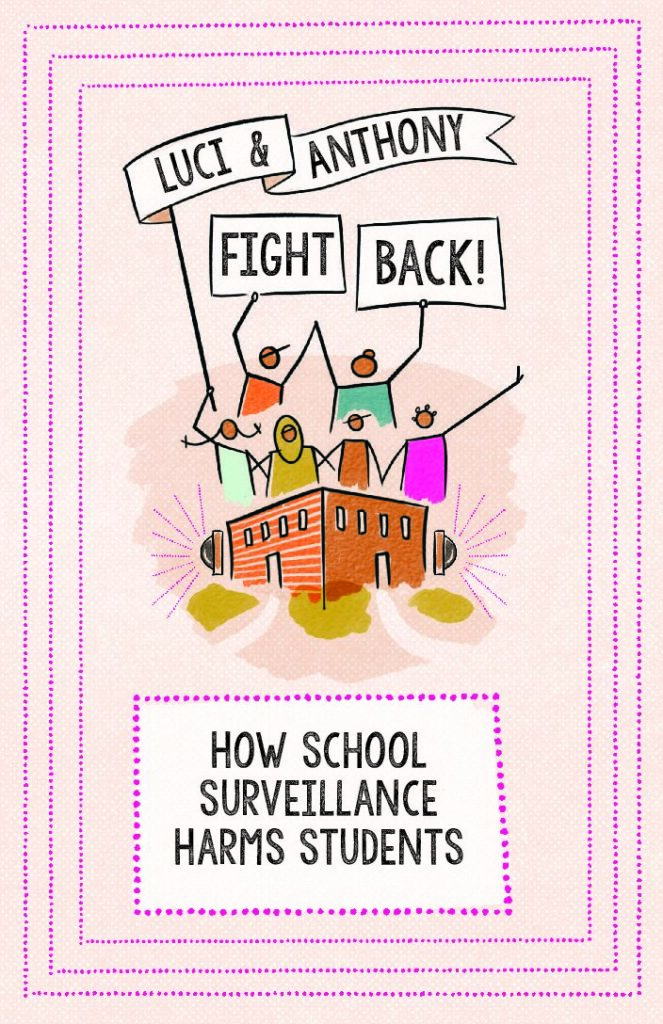
This zine on school surveillance by the National Campaign for Police Free Schools, a campaign that is co-convened by the Advancement Project and the Alliance for Educational Justice, provides know your reality and know your rights information about surveillance technologies used in schools, at home, and in communities. From the introduction: “This zine workbook is…
The Indiana Court of Appeals reversed a delinquency adjudication of intimidation based on insufficiency of evidence involving a case of a 12-year-old who joked that she would bring a gun if her backpack wasn’t returned. The court stated in relevant part: To adjudicate R.H. delinquent for acts of intimidation, as alleged, the State had to prove…

From the resource by Case Western Reserve University Schubert Center for Child Studies: “This document offers an overview of the most current and reliable national and Ohio-specific guidance and resources to support practitioners and providers working with immigrant children. It is organized in the following child and youth-specific settings: Each section provides practical tools, current…
The California 4th District Court of Appeal found struck down a probation condition requiring a youth to “participate in counseling and/or an education program…as directed by your probation officer,” finding that the condition is too indefinite. The court stated in relevant part: We believe this condition leaves too much to the probation officer’s discretion because…
From the abstract: “Homelessness in the United States has been a humanitarian crisis affecting youth as one of its most vulnerable populations. Education is one of the few opportunities to break through this cycle of poverty. Recognizing the gap in education for homeless students and other students, Congress enacted the McKinney-Vento Act, which guarantees homeless…
This article was published in the LSU Law Journal for Social Justice & Policy. From the introduction: “Despite having a right to receive an education like every child in Louisiana, incarcerated juveniles in Louisiana juvenile facilities are not receiving the adequate education they need to survive and prosper in a world outside incarceration. The Louisiana…
This testimony from the No Tech Criminalization in Education Coalition (NOTICE) opposes funds for AI surveillance technologies in Minnesota schools and outlines the ways these technologies violate the rights of youth and young adults including student data privacy concerns, the known pathway these technologies create to algorithmic discrimination in schools, and the scientific validation and…
The Washington Court of Appeals found that insufficient evidence supported the trial court’s conclusion that a knife found in D.R.’s backpack was an “other dangerous weapon” as defined by RCW 9.41.250 because D.R. was not using the knife in a dangerous manner,” ordering the trial court to vacate the guilty adjudication and dismiss the charge…
The Pennsylvania Superior Court reversed a young person’s probation revocation, finding that the state’s failure to provide defense counsel with notice and discovery violated the young person’s due process rights. The court stated in relevant part: We recognize that “[d]ue process is a flexible concept which ‘varies with the particular situation.’” Bundy v. Wetzel, 646 Pa.…
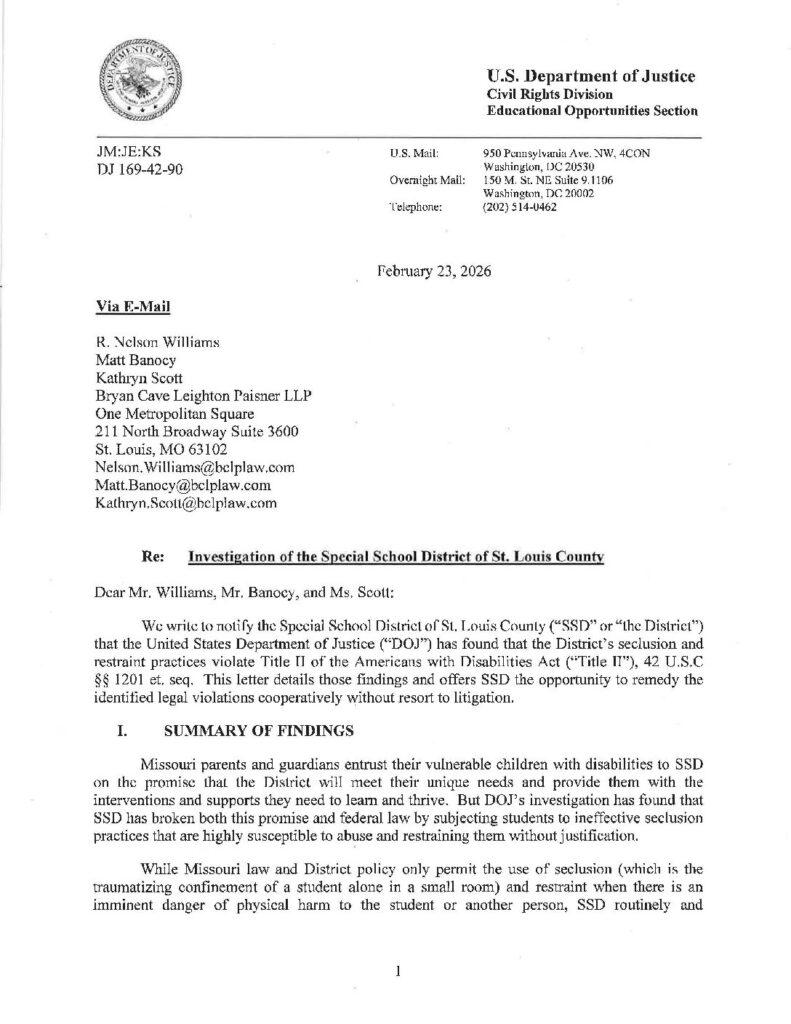
On February 23, 2026, the U.S. Department of Justice released its investigation findings of the Special School District of St. Louis County, highlighting that the District’s seclusion and restraint practices violate Title II of the Americans with Disabilities Act. From the investigation: “Missouri parents and guardians entrust their vulnerable children with disabilities to SSD on…
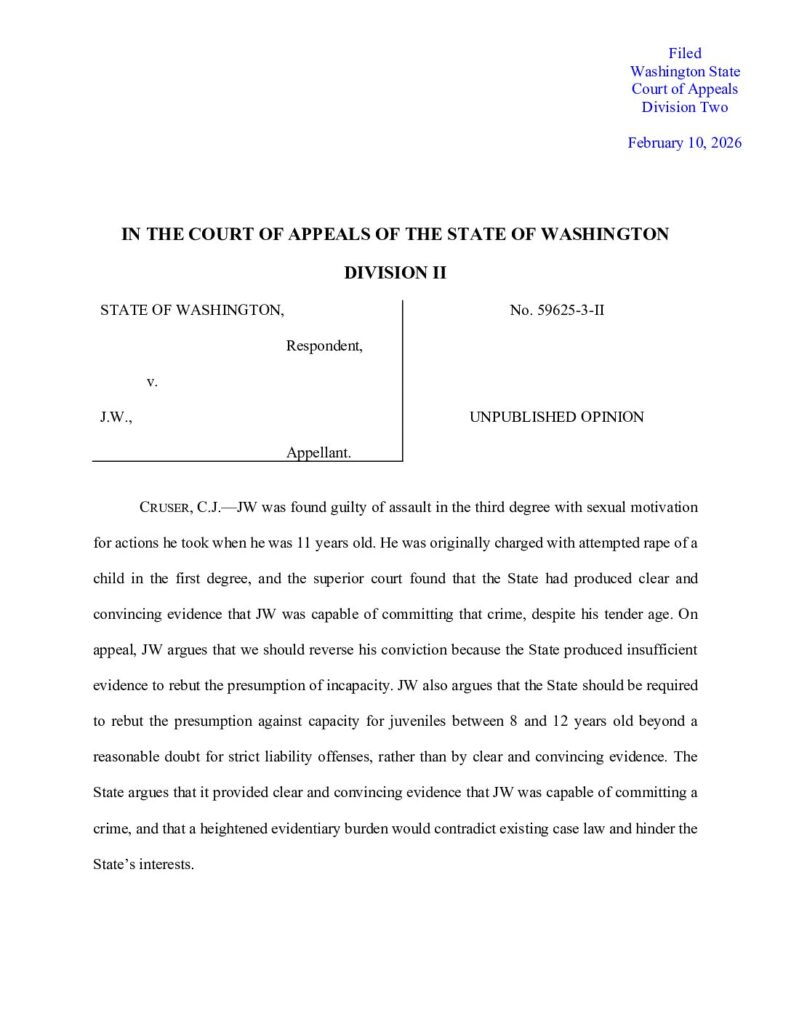
The Washington Appeals Division 2 reversed a conviction involving allegations of an 11-year-old child charged with attempted rape of a child, finding that the state failed to produce clear and convincing evidence that the child was capable of committing a criminal sexual act. The court stated in relevant part: “A child of at least 8…
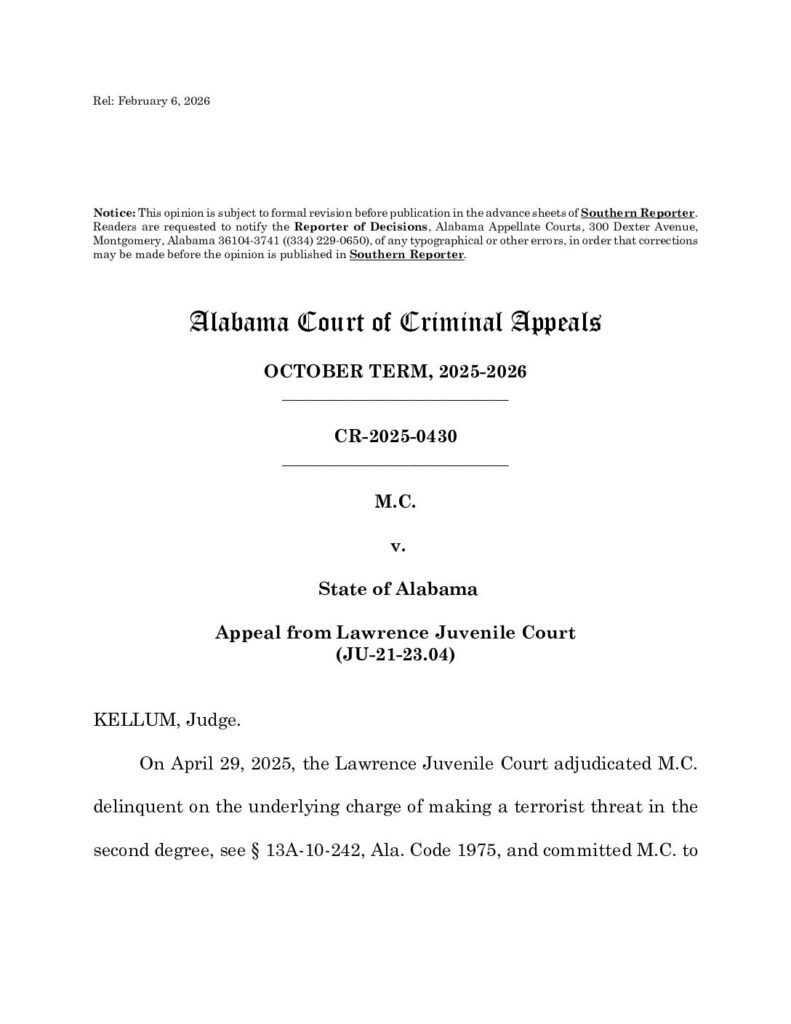
The Alabama Criminal Appeals Court reversed an adjudication of making a terrorist threat in the second degree based on insufficient evidence. The court stated in relevant part: “The definition of “threaten” in § 13A-10-242(2) specifically refers to three people. Subsection a. refers to the person who “makes [the] statement.” Subsection b. refers to the person to…
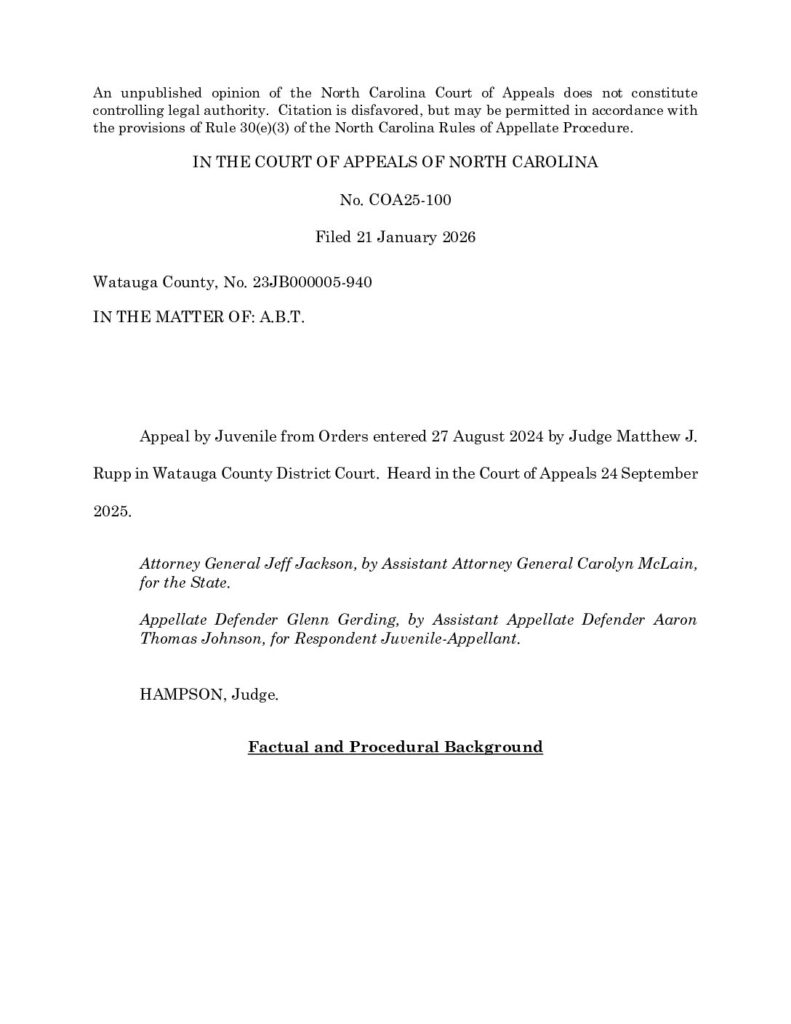
The North Carolina Court of Appeals reversed an adjudication of disorderly conduct based on insufficient evidence. The court stated in relevant part: “Considering the evidence in the light most favorable to the State and giving the State the benefit of every reasonable inference, Rose, 339 N.C. at 192, 451 S.E.2d at 223 (citation omitted), the evidence is insufficient to…

From the resource by Kids in Need of Defense: “This policy brief provides an overview of the expanding ways that the Administration’s policies and actions are tearing families apart and illustrates how the Administration is using government agencies, resources, and staffing to exploit, rather than mitigate, children’s vulnerabilities. It documents how efforts prioritizing the removal…

An Arizona appellate court reversed a youth’s delinquency adjudication, finding that the youth’s statements that he “thinks” or “fantasizes” “about shooting up the school” did not constitute a true threat. The court stated in relevant part: “R.R. argues that his statement was not a true threat because he “specifically said that he would not do…

“Suspensions, expulsions, and school-based arrests: These exclusionary and overly punitive disciplinary responses disproportionately impact Black students and have become normalized throughout the nation. In reality, school pushout, or the disciplinary sanction of removing students from the classroom, contravenes the very purpose of public education to prepare children to engage as full citizens in our democratic…
“Half a century ago, Congress “revolutionized” the way children with disabilities are educated in this country. Under the Individuals with Disabilities Education Act (“IDEA”), every year the public schools must prepare a “written statement” describing where each such child stands educationally, what educational goals she will work toward, and the special education services she will…
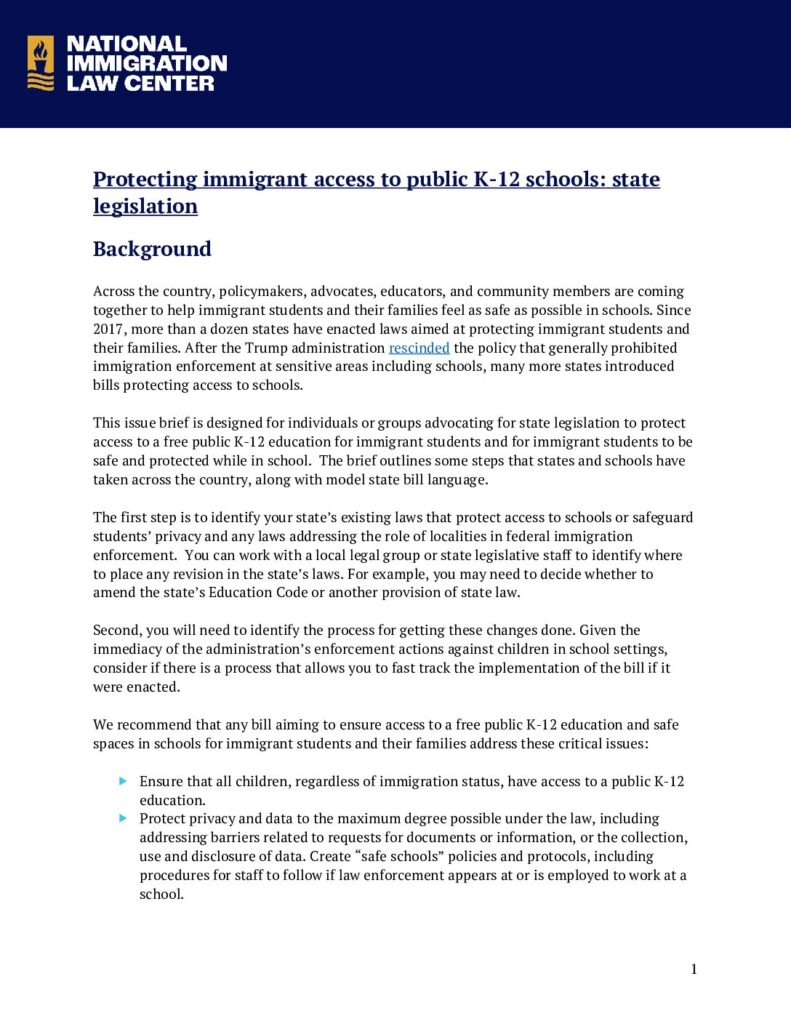
From the Background of this issue brief by National Immigration Law Center: “This issue brief is designed for individuals or groups advocating for state legislation to protect access to a free public K-12 education for immigrant students and for immigrant students to be safe and protected while in school. The brief outlines some steps that…

This “Fast Facts” Publication from UCLA’s Center for the Developing Adolescent provides insight on how to support young people five years after the COVID-19 pandemic. From the publication: “In 2020, COVID disrupted nearly every aspect of education, work, and social connections. Students who were in the earliest years of their education when schools first closed…
