
District of Columbia


On May 26, 2021, the DOJ filed a Statement of Interest in a federal class action lawsuit on behalf students confined in the DC Jail during the Covid-19 pandemic, alleging violations of the Individuals with Disabilities Education Act (IDEA). The DOJ asserted that “[s]tudents with disabilities do not forfeit their right to special education and…

From the introduction: “This paper shares the story behind the successful launch of a specialized correctional unit for emerging adults by three of the people closest and most integral to the experience. It is offered as a guide for jurisdictions that are interested in developing similar programs. It is important to note that this report…

From the conclusion: “Washington, DC has severe racial disparities in its justice-involved population. That should alarm local leadership and its residents. These disparities are rooted in policing practices that target communities of color, a lack of investment and opportunity in historically disadvantaged neighborhoods, and an overly punitive sentencing, parole, and corrections system. The current system…

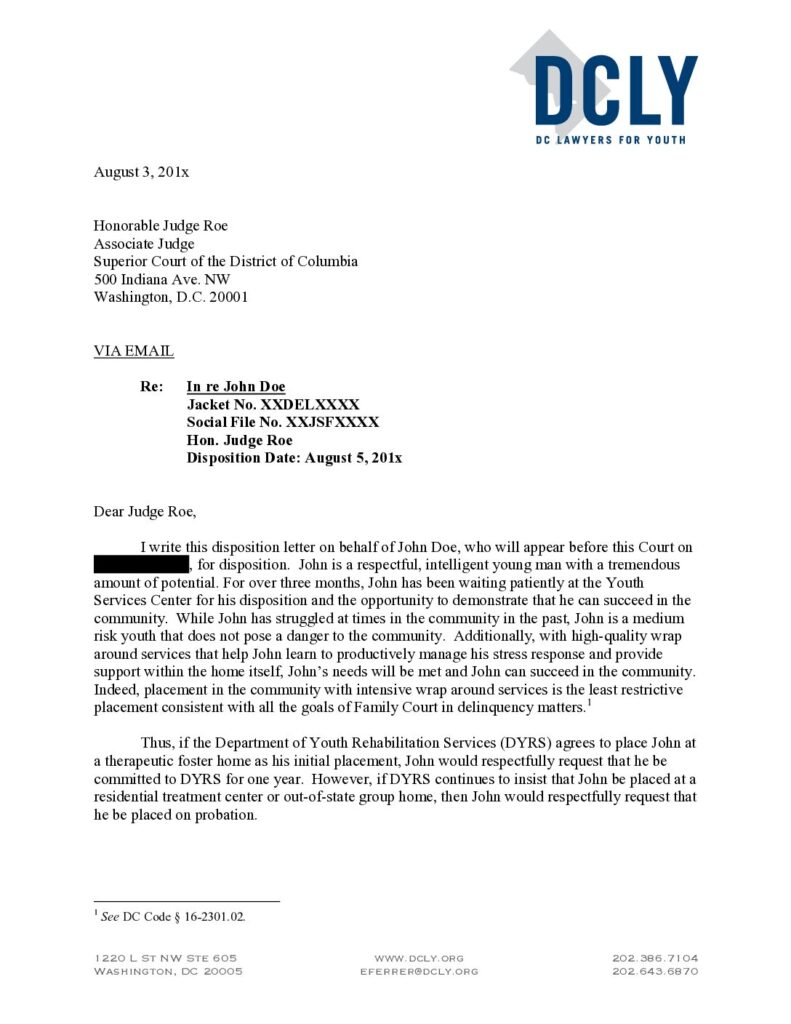
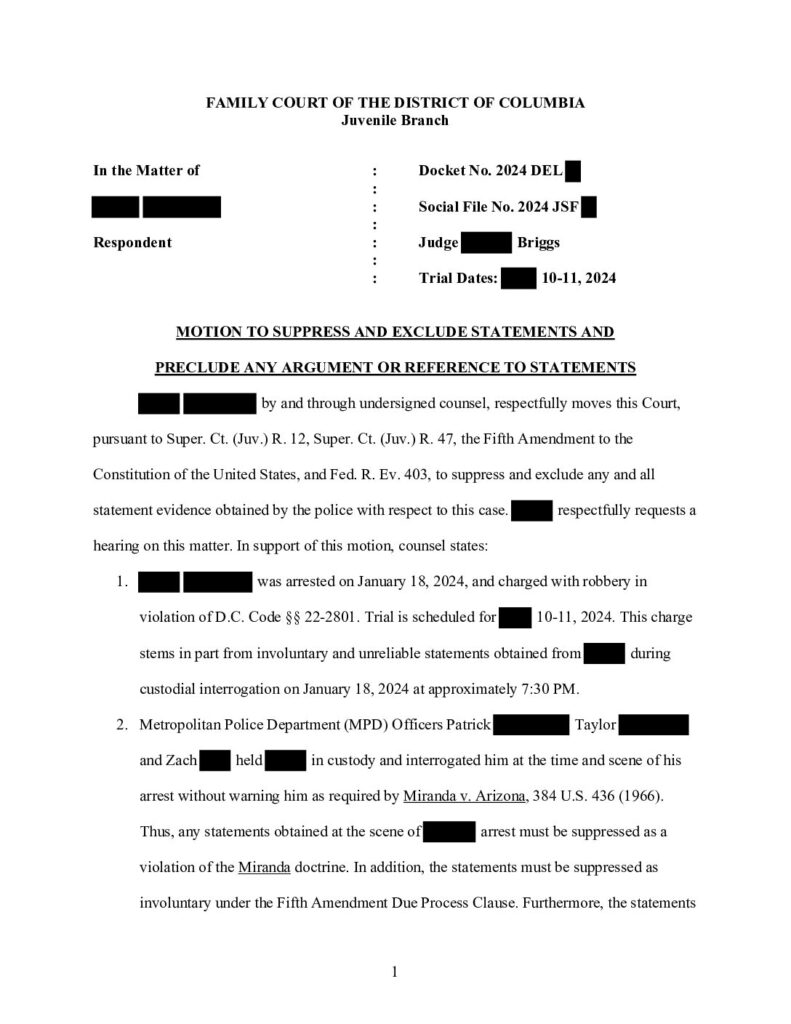
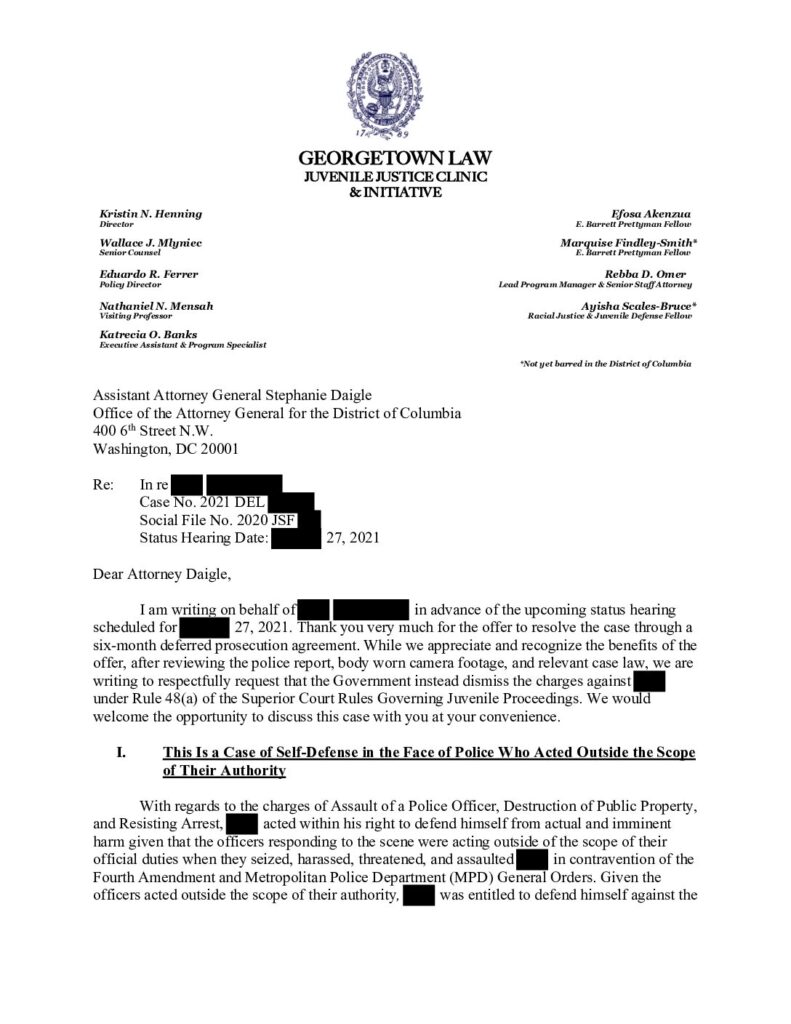
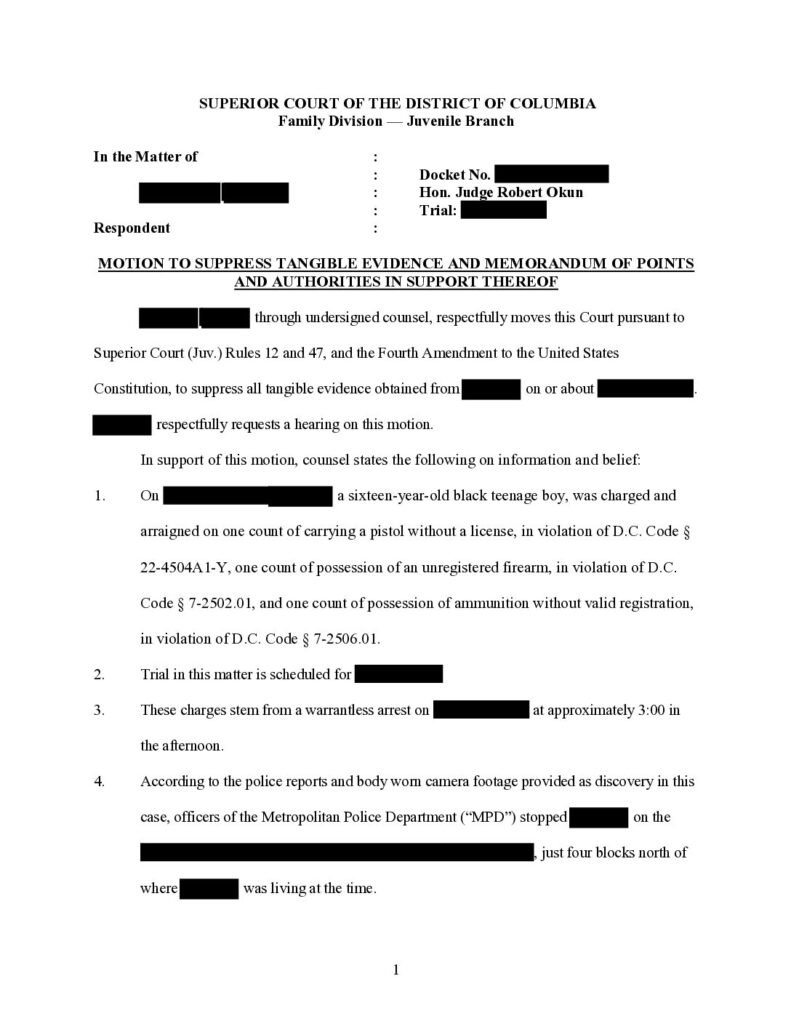
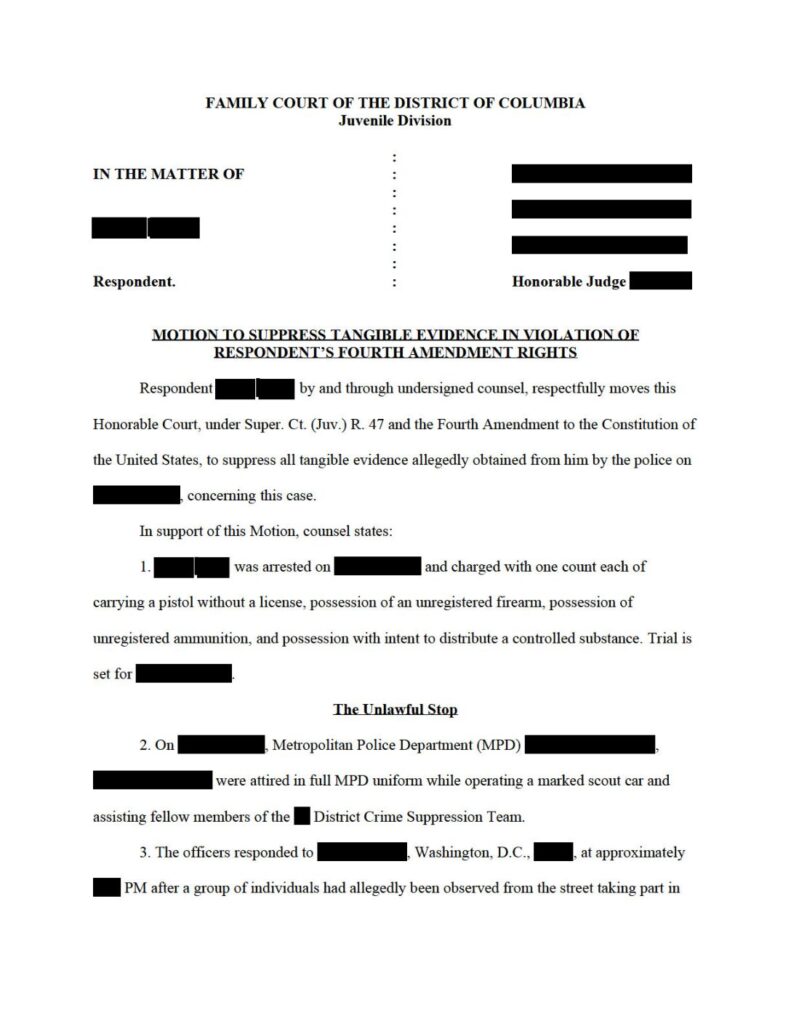

The D.C. Court of Appeals reversed Mr. Miles’s convictions after concluding the police lacked reasonable suspicion to subject him to a Terry stop. Distinguishing the case from Wardlow v. Illinois, the Court found the anonymous tip and the circumstances around Mr. Miles’ flight from the police were not indicative of criminal activity and offered the following language in support: “While Wardlow is not directly controlling here, the case…


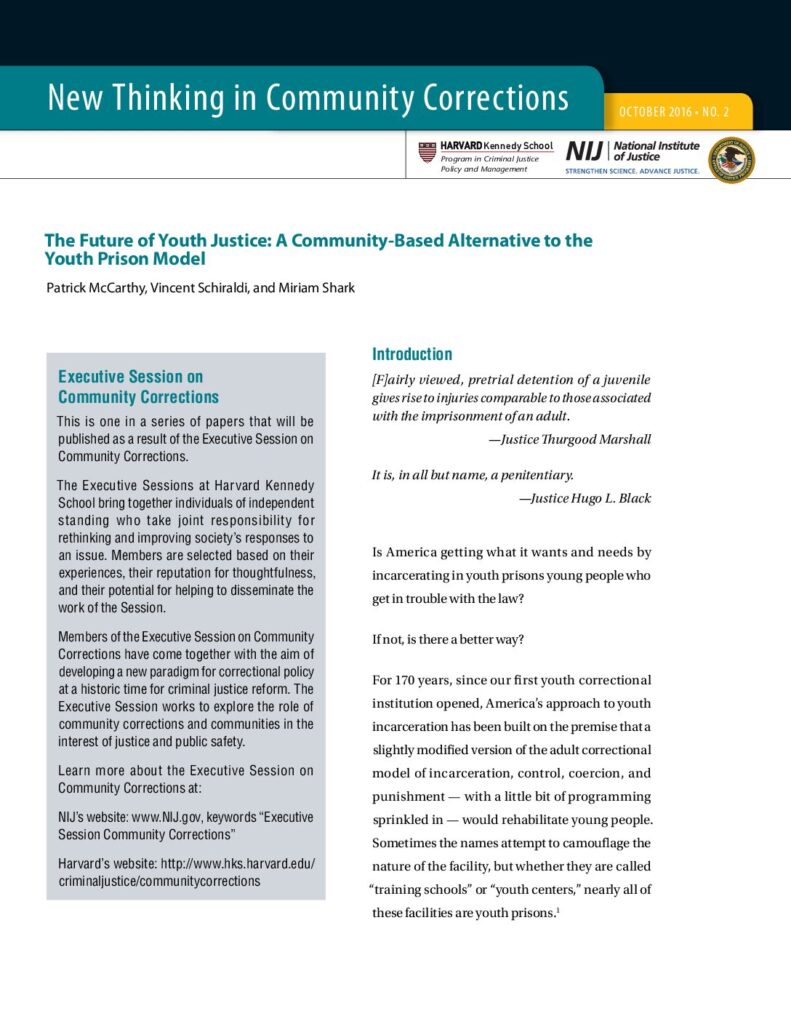
This paper from the Executive Session on Community Corrections at the Harvard Kennedy School examines the history of youth incarceration and discusses how the inherently flawed model of youth prisons demands systemic reforms, including closure of youth prisons, to actualize safer communities, and positive youth outcomes. From the introduction: “For 170 years, since our first youth correctional institution opened, America’s approach…


From the introduction: “This research brief will summarize findings on what is known about substance abuse treatment as it relates to public safety and the use of incarceration. Along with conducting a brief literature review, the Justice Policy Institute (JPI) has compared state data on drug treatment admissions to incarceration rates. While no single solution…
From the introduction: “Building Blocks for Youth, a national initiative to promote a fair and effective youth justice system, commissioned this report to determine whether it is possible to reduce the number of youth in secure detention and place young people who have gotten in trouble with the law in community programs, without incurring an…
- « Previous
- 1
- 2
