
Implicit Racial Bias
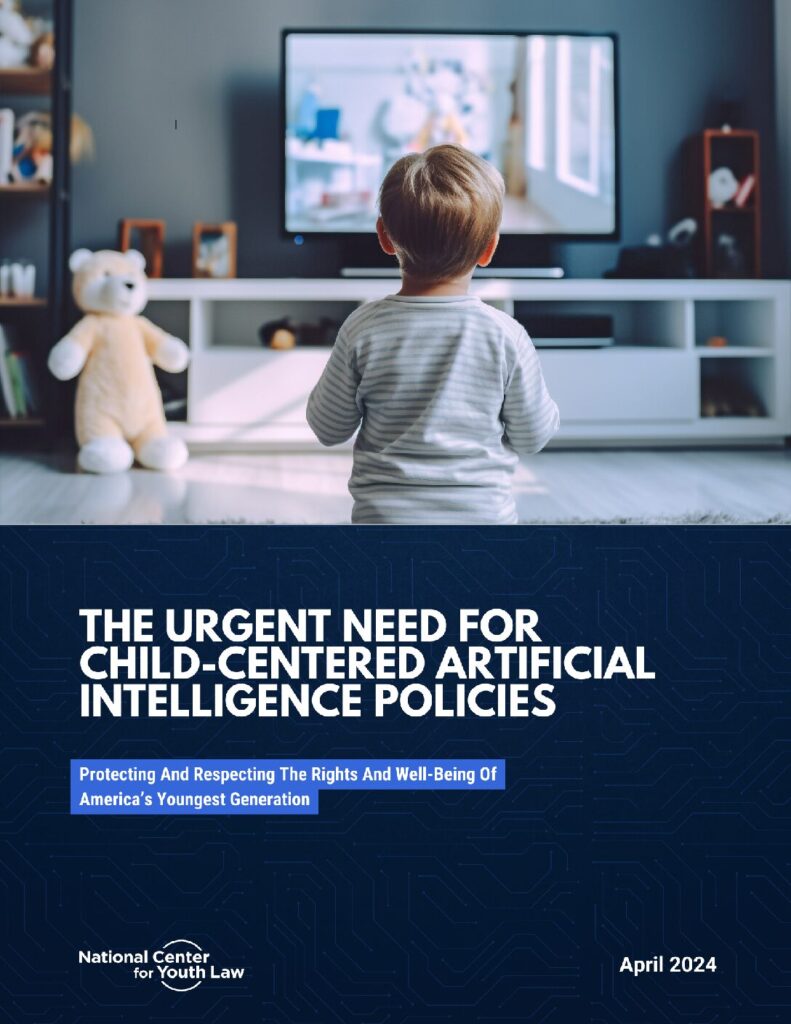
This report by the National Center for Youth Law urges policymakers and decisionmakers to center the rights and well-being of children and youth in AI policy. It highlights the risks of AI reinforcing bias and inequality in areas such as child welfare, education, healthcare, juvenile justice, and immigration, while emphasizing the need to protect children’s…
From the Introduction: “Racial inequities are addressed to varying degrees in at least three of the four sections of the Restatement of Children and the Law. This Essay evaluates whether and how well this Restatement advances racial justice and identifies additional opportunities for the ALI to address racial inequities now and in future iterations of the Restatement. The…

School-based arrests have long made up a substantial number of cases in the juvenile legal system. As a result, youth defenders often represent clients who have been seized, searched, or interrogated on school grounds. This guide provides a general overview of the law governing school seizures, searches, and interrogations and practice tips for challenging evidence…

This amicus brief by the Santa Clara County Independent Defense Counsel Office argues the decision in People v. Hardin should be affirmed because historical legacies of racism disparately expose some adolescents to the legal system and this does not justify lifelong punishment without considering rehabilitation. From Introduction & Summary of Argument: “Youthful offender parole is authorized by age at the…

This amicus brief by American Civil Liberties Union and others argues that denying an opportunity for parole for young adults between the ages of 18 and 25 raises an equal protection violation given the racially disproportionate impact of life without parole sentences on young adults, resulting from “tough on crime” politics based in racial bias. From the Introduction: “In analyzing Petitioner Hardin’s equal protection…

From the introduction: “Imagine you’re a student with a disability that impacts how you interact with others and process situations. In an instant, that disability may be criminalized, and you could find yourself thrust into a juvenile justice system that offers little support and few education resources. This scenario is all too common. Thousands of…

From the executive summary: “On April 21, 2021, the Department of Justice opened a pattern or practice investigation of the Minneapolis Police Department (MPD) and the City of Minneapolis. By then, Derek Chauvin had been convicted in state court for the tragic murder of George Floyd in 2020. In the years before, shootings by other…

From the introduction: “A growing body of literature has demonstrated that when schools suspend students, the suspension acts not as a deterrent but as an amplifier of future punishment. Labeling theory has emerged as the predominant explanation for this phenomenon, suggesting that the symbolic label conferred along with a suspension shapes how other people perceive…
From the abstract: National attention toward recent highly publicized police killings and the coronavirus disease abstract 2019 pandemic, which has disproportionately impacted communities of color, highlight the continued systematic oppression of racial and ethnic minorities in the United States. Furthermore, burgeoning evidence demonstrates that police contact is associated with adverse health outcomes for Black and…

From the abstract: “Drawing from legal pedagogy, litigation practice, and teaching experience, this article seeks to compile a set of key considerations for inclusive language decision-making in the clinical setting. Using a multi-factor framework—accuracy, precision, relevance, audience, and respect—this analysis explores the process for deciding on terms to use in practice and the potential implications…

This expert report analyzes the presence of racial bias in a police encounter with Black teenage girls in Colorado. The report utilizes research on implicit racial bias, stereotype threat, adultification, and policing as trauma in its analysis of the facts of the case.

From the introduction: “This brief offers context on the youth criminalization crisis in the United States. We then outline a series of harmful elements in the Bipartisan Safer Communities Act. Specifically, we review provisions that: • Increase funding for threat assessments, surveillance, and greater police presence in schools; • Expand data-sharing between law enforcement and…

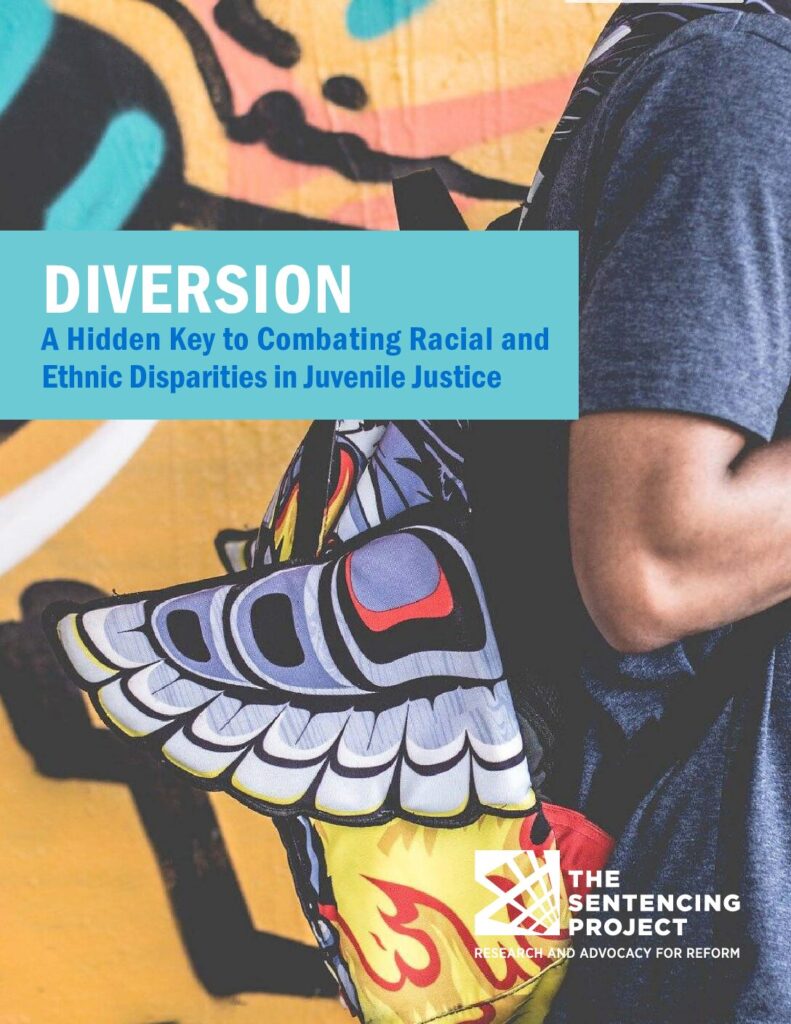
This report from The Sentencing Project discusses the state of diversion for youth in the juvenile legal system, existing disparities in diversion and why they are so severe, and strategies for expanding diversion. From the Summary: “Diverting youth from juvenile court involvement should be a central focus in efforts to reduce racial and ethnic disparities…

The Washington Supreme Court ruled the trial court was required to consider an accused person’s race and ethnicity in the totality of the circumstances when determining whether a person was “seized” in Washington state constitution’s prohibition against unlawful seizure. The court offered the following language in support: As noted above, the article I, section 7…

The New York Supreme Court Appellate Division reversed the guilty plea and conviction of Mr. Thorne after the court denied his motion to suppress, finding that the arresting officers lacked requisite reasonable suspicion to stop him. The Court, citing several inconsistencies in the radio description of the assailant compared to Mr. Thorne, offered the following language in support: “The officers did not have reasonable…

From the introduction: “This Essay centers disability as a lens for analysis in Fourth Amendment jurisprudence. This Essay discusses the ways in which disability mediates interactions with law enforcement and how Fourth Amendment doctrine renders disabled people vulnerable to police intrusions and police violence. More specifically, this Essay critiques the Terry doctrine, consensual encounters, consent…

From the introduction: “One of our goals in producing this report is to inform school administrators, board members, and parent and student stakeholders, giving details about which groups of students are disproportionately arrested and about the gaps that exist in data reporting. We also want to provide guidance on how to address these issues. We…


This Article explores how race functions to ascribe and criminalize disability. It posits that for White students in wealthy schools, disabilities or perceived disabilities are often viewed as medical conditions and treated with care and resources. For students of color, however, the construction of disability (if it exists) may be a criminalized condition that is…

This is a sample motion from Maryland asking the court to exclude tangible evidence recovered during a stop and arrest based on lack of probable cause for the search. The motion includes arguments about implicit racial bias, structural racism, procedural justice, racial justice, and adolescent brain development.


From the abstract: “Despite the promise of Gideon, providing “the guiding hand of counsel” to indigent defendants remains unmanageable, largely because the nation’s public defender offices are overworked and underfunded. Faced with overwhelming caseloads and inadequate resources, public defenders must engage in triage, deciding which cases deserve attention and which do not. Although scholars have…

From the introduction: “In this Pathway we explore why youth of color are overrepresented in the juvenile detention system and review what has been done in some sites to reduce the number of minority youth in detention. Dealing with disparity in the use of detention has been one of the most challenging pieces of the…

From the introduction: “This policy brief will review the work done in one jurisdiction that has succeeded in reducing the number of minority youth detained pre-trial, summarize the lessons learned from innovations in Multnomah County, Oregon, and highlight their national significance. While the more general nationwide picture on reducing racial disparity in the juvenile justice…
- « Previous
- 1
- 2
- 3
- Next »
