
Procedural Justice
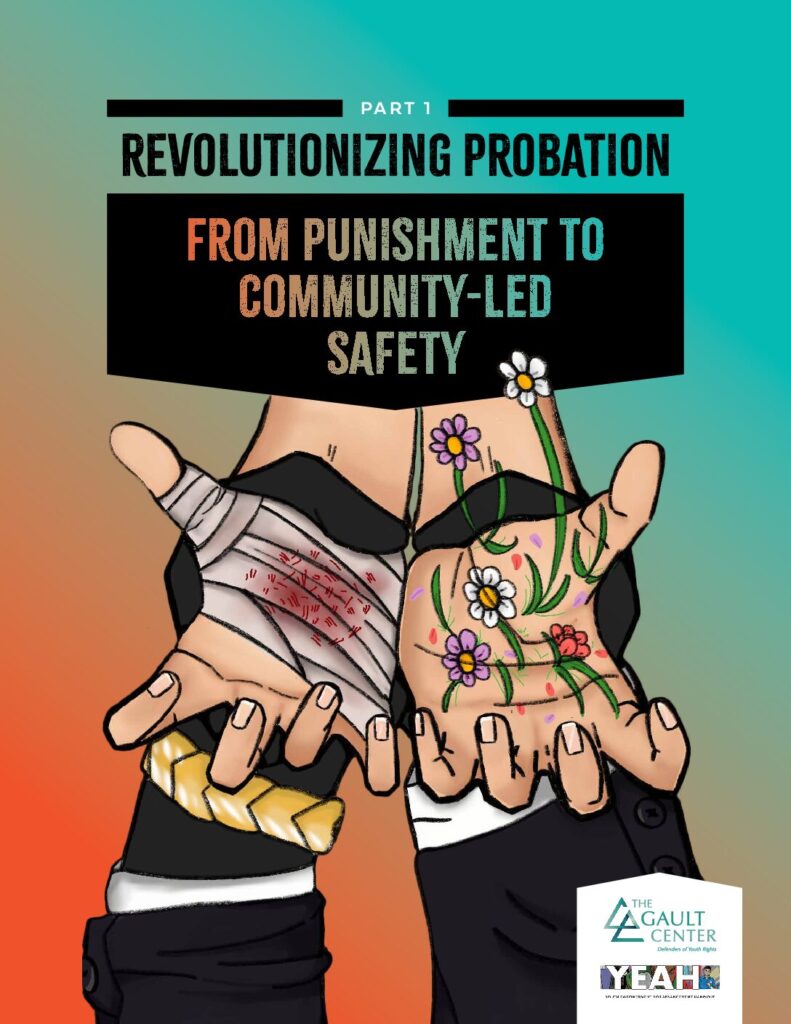
Examines young people’s experiences on juvenile probation and the racialized history of juvenile probation in our country.

From the abstract: “This paper explores the inequitable treatment of the Intellectually and Developmentally Disabled and Autistic (IDD/A) population in the criminal justice system. Although progress has been made over the past century with understanding the unique needs of this population, they still face challenges at all stages of the criminal justice system. Behavioral, social…

From the introduction: “A subset of the research that has been conducted on the effects of counsel at first appearance in criminal cases examines the effects of providing counsel to individual defendants on the system itself, rather than the effects on the individuals. As discussed below, this research shows that providing counsel at first appearance…


This is a sample motion from Maryland asking the court to exclude tangible evidence recovered during a stop and arrest based on lack of probable cause for the search. The motion includes arguments about implicit racial bias, structural racism, procedural justice, racial justice, and adolescent brain development.

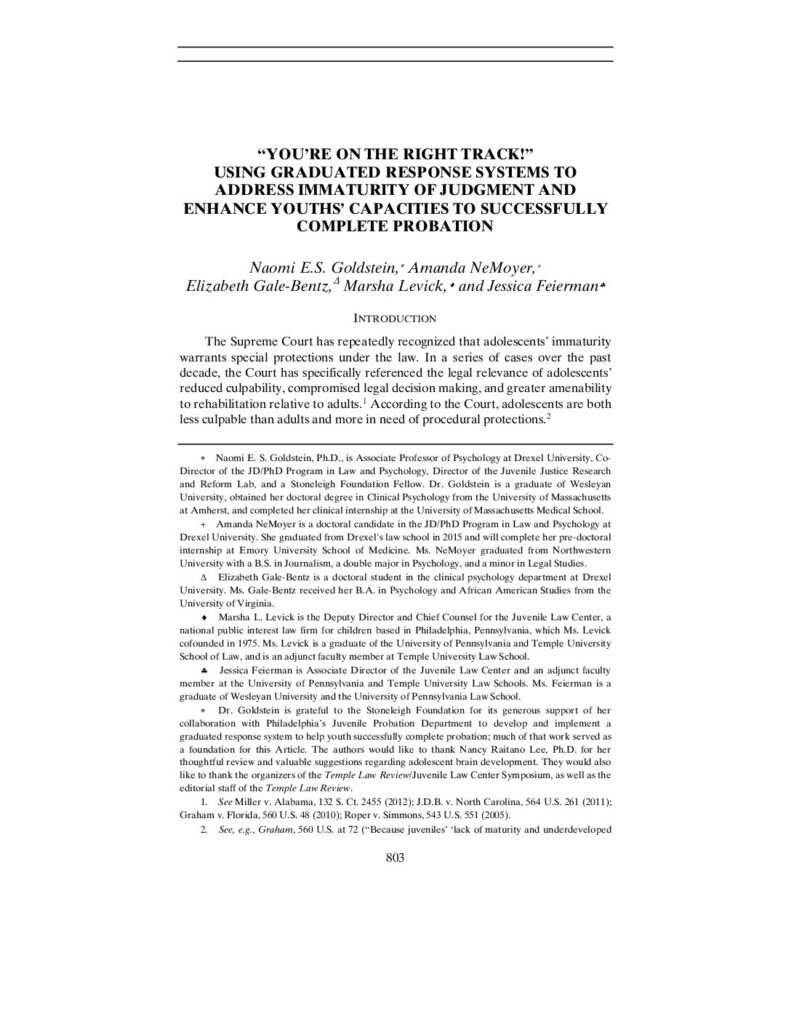
From the Introduction: “The Supreme Court has repeatedly recognized that adolescents’ immaturity warrants special protections under the law. In a series of cases over the past decade, the Court has specifically referenced the legal relevance of adolescents’ reduced culpability, compromised legal decision making, and greater amenability to rehabilitation relative to adults. According to the Court,…

“This pocket edition of the In re Gault opinion provides youth defenders, children’s advocates, and champions of justice with an invaluable tool: the constitutional mandate for the protection of children’s rights. The 1967 U.S. Supreme Court decision forever changed the landscape of youth justice. No longer could judges or probation officers use good intentions as…

This expert affidavit from Dr. Donald Rosenblitt, a child psychiatrist and clinician licensed in North Carolina. Dr. Rosenblitt discusses the impact of shackling young people in juvenile court proceedings and how shackling negatively impacts a young people’s positive development, self-perception, overall health, and views of the legal system.

This article summarizes a study conducted by Yale Law School, Columbia Law School and Mailman School of Public Health at Columbia University, examining the influence of street stops by police on the legal socialization of adolescents and emerging adults ages 18-26 in New York City. The study showed an association between the number of police…

This law review article from the publication Psychology, Public Policy and Law, looks at juvenile Miranda warnings and the comprehensibility of the warnings as applied to young people. From the Introduction: “Annually, more than 1.5 million [youth] offenders are arrested and routinely Mirandized with little consideration regarding the comprehensibility of these warnings. The current investigation…
