Adolescent Development
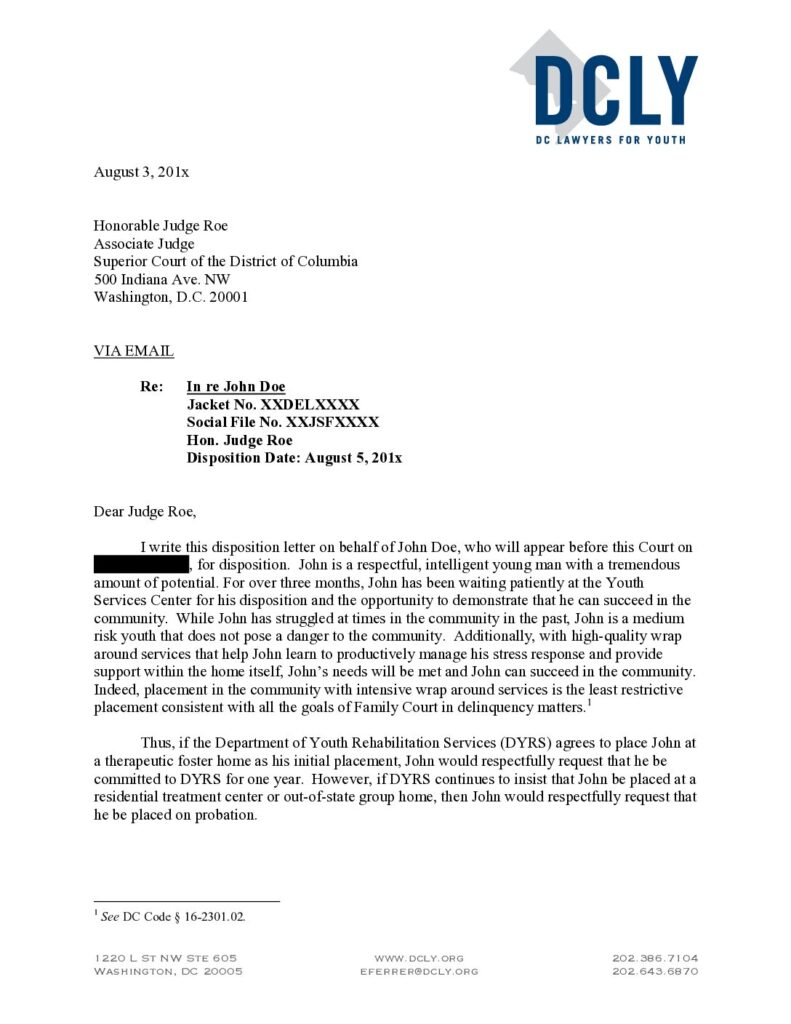
An infographic outlining strategies for post-disposition advocacy.
This article from Dr. Antoinette Kavanaugh and Dr. Thomas Grisso examines the roles experts can play in “Montgomery” resentencing cases. From the article: “In summary, experts can play an important role in the approximately five hundred Miller/ Montgomery cases pending in Pennsylvania’s courts. Experts retained by the defense can serve as educators or evaluators. In…
This affidavit written by Legal Ethicist Abbe Smith outlines the ethical quandaries posed by Florida’s direct file transfer laws and calls into question the legality of such laws based on adolescent development research. The affidavit states in relevant part: “The prosecutorial practice of direct file plea-bargaining without defender/child knowledge of the case’s strengths and weaknesses…
This policy report features interviews of young people who have been incarcerated in youth facilities in Colorado and details the harmful conditions and culture in these programs. From the Executive Summary: “Despite a mission of rehabilitation rather than punishment, the culture of the Colorado Division of Youth Corrections (DYC) is plagued by punitive practices that…
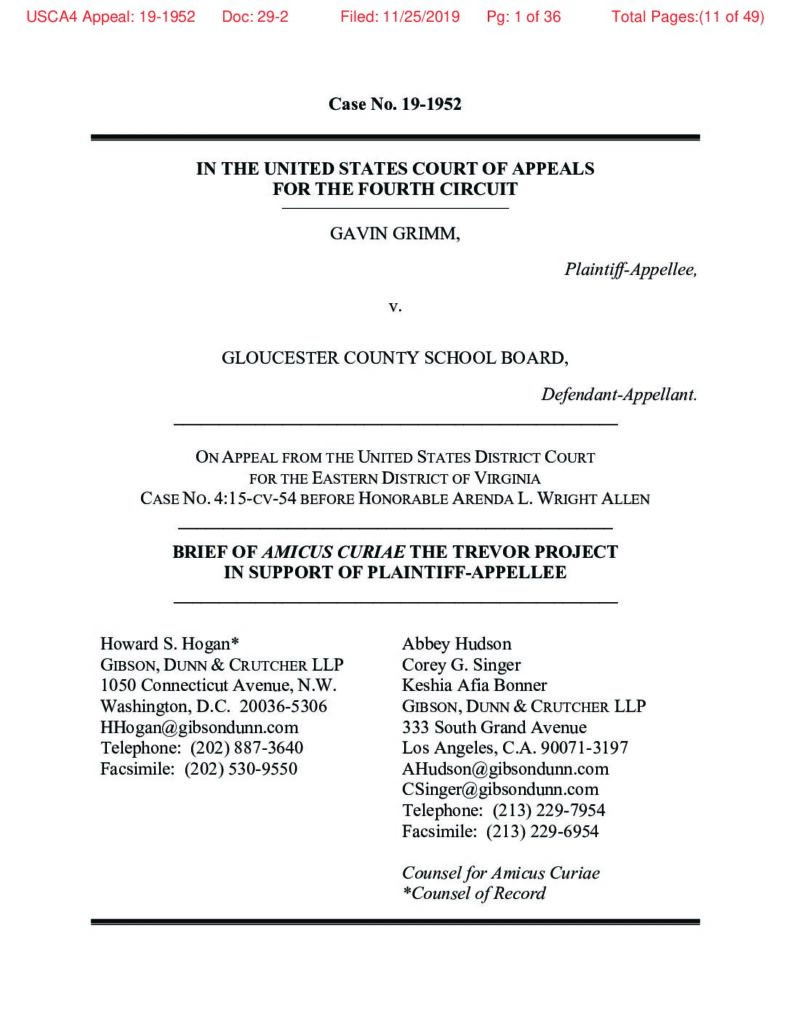
On January 3, 2017, the DOJ filed a Statement of Interest in a case involving the use of solitary confinement for 16 and 17 year olds in the Onondaga County Justice Center in New York. This brief outlines the harms of solitary confinement as applied to young people in light of their brain development and…
The U.S. Department of Justice filed a Statement of Interest in a federal class action lawsuit challenging the use of solitary confinement for 16- and 17-year-old youth in custody, including youth with disabilities. Calling for the federal district court to consider Supreme Court jurisprudence and growing scientific research on adolescent development, the DOJ asserts, “Juveniles…
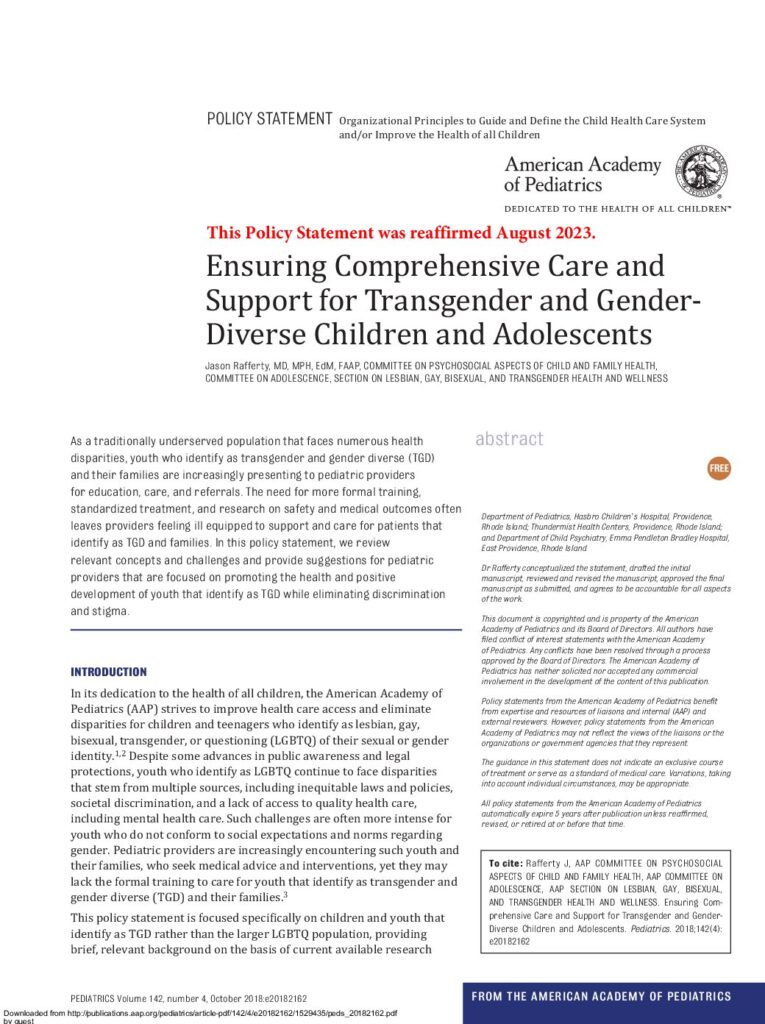
This article from the American Criminal Law Review “argues that our judicial system and legislatures, when crafting juvenile justice law, policy, and practice, cannot stop with merely incorporating the research behind the impact of normal adolescent development on the decisionmaking abilities of youth; they must also incorporate the research behind how the experience of trauma…
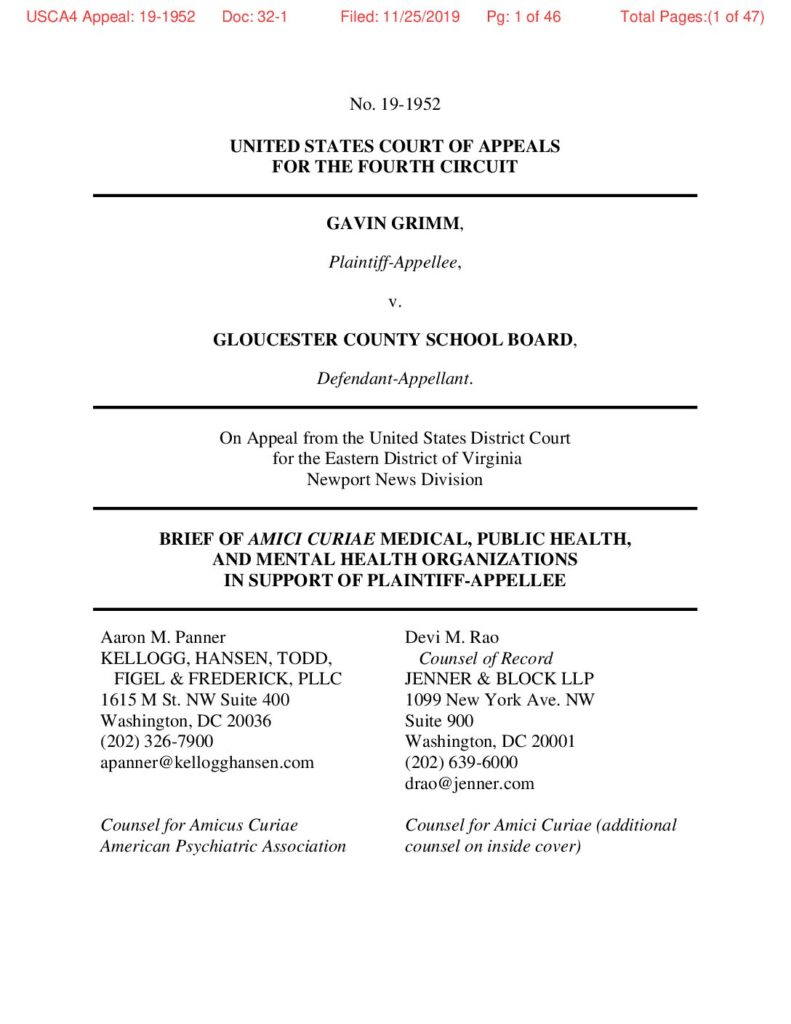
On December 14, 2016, the U.S. Department of Justice entered into a settlement agreement with the St. Louis County Family Court to remedy constitutional violations. The settlement agreement covers policies and practices to ensure the due process and equal protection rights of all youth are upheld. This includes early appointment of youth defense counsel, prohibition…
Outlines recommendations to reduce the number of probation conditions, eliminate surveillance-based conditions, and simplify language on probation orders for youth.
A template motion from The Gault Center (formerly National Juvenile Defender Center) requesting a child appear before the court free from unlawful restraints. This is a comprehensive motion that argues unlawful restraints, in the form of a blanket shackling policy, violates the 14th Amendment of the U.S. Constitution and State Constitutions/State statute as it threatens…
On October 2, 2015 the DOJ filed a Statement of Interest in a federal lawsuit on behalf of two students who were seized and handcuffed by a school resource officer (SRO), alleging violations under the Fourth and Fourteenth Amendments and Title II of the Americans with Disabilities Act (ADA). The DOJ asserted that the Sheriff’s…
On July 31, 2015, the U.S. Department of Justice released its investigation findings into the St. Louis County Family Court, finding due process and equal protection violations. The findings include right to counsel violations by denying constitutionally adequate defense representation, privilege against self-incrimination violations by requiring a child to admit to allegations for diversion, inadequate…
On March 13, 2015, the U.S. Department of Justice filed a Statement of Interest in a lawsuit challenging the deprivation of children’s right to meaningful representation in the Cordele Judicial Circuit of Georgia. In upholding the constitutional necessity of youth defense specialization, the DOJ asserted, “The right to counsel means more than just a lawyer…
Trial Defense Guidelines: Representing a Child Client Facing a Possible Life Sentence
The Campaign for the Fair Sentencing of Youth issued Trial Defense Guidelines for representing youth facing a possible life sentence. “The objective of these guidelines is to set forth a national standard of practice to ensure zealous, constitutionally effective representation for all juveniles facing a possible life sentence (“juvenile life”) consistent with the United States…
This expert affidavit from Dr. Gwenyth Campbell Rost, Ph.D., a speech-language pathologist, describes the impacts of shackling and the use of physical restraints on young people with communication and language disabilities who are involved in the juvenile legal system. The affidavit highlights how shackling and restraining youth impedes their ability to communicate and remember information…
This expert affidavit from Dr. Robert Bidwell, a physician who is board certified in pediatric and adolescent medicine and licensed in Hawaii, underscores the harm of indiscriminately shackling young people in the juvenile legal system. Dr. Bidwell highlights the high proportion of young people in the juvenile legal system who have experienced trauma and exhibit…
This expert affidavit from Dr. Marty Beyer, Ph.D., a clinical psychologist licensed in D.C., Virginia and Washington, highlights the negative impacts of shackling on young people’s identity development, including their views of their own self-worth and of fairness in legal settings. Further, the affidavit describes how shackling re-traumatizes youth who may have previously experienced traumatic…
This expert affidavit from Dr. Gwen Wurm, a pediatrician licensed in the state of Florida, describes the impact that indiscriminate shackling has on adolescent, cognitive, and psychosocial development. The affidavit also describes the traumatizing effects of shackling on children who may have experienced abuse, neglect or other mental distress.
This expert affidavit from Dr. Donald Rosenblitt, a child psychiatrist and clinician licensed in North Carolina. Dr. Rosenblitt discusses the impact of shackling young people in juvenile court proceedings and how shackling negatively impacts a young people’s positive development, self-perception, overall health, and views of the legal system.