
Black Youth


From the introduction: “This brief offers context on the youth criminalization crisis in the United States. We then outline a series of harmful elements in the Bipartisan Safer Communities Act. Specifically, we review provisions that: • Increase funding for threat assessments, surveillance, and greater police presence in schools; • Expand data-sharing between law enforcement and…

From the abstract: “Disabled people are disproportionately incarcerated and segregated from society through a variety of institutions. Still, the links between disability and incarceration are underexplored, limiting understanding of how carceral institutions punish and contribute to the social exclusion of disabled people. Using data from the 2016 Survey of Prison Inmates, we estimated disability prevalence…

From the introduction: “The COVID-19 pandemic has laid bare the dangers of the juvenile legal system; this should make it harder to look away from the societal inequities that are exacerbated by youth incarceration. Indeed, the current moment, including the unprecedented nationwide protests in response to the murders of George Floyd and Breonna Taylor in…
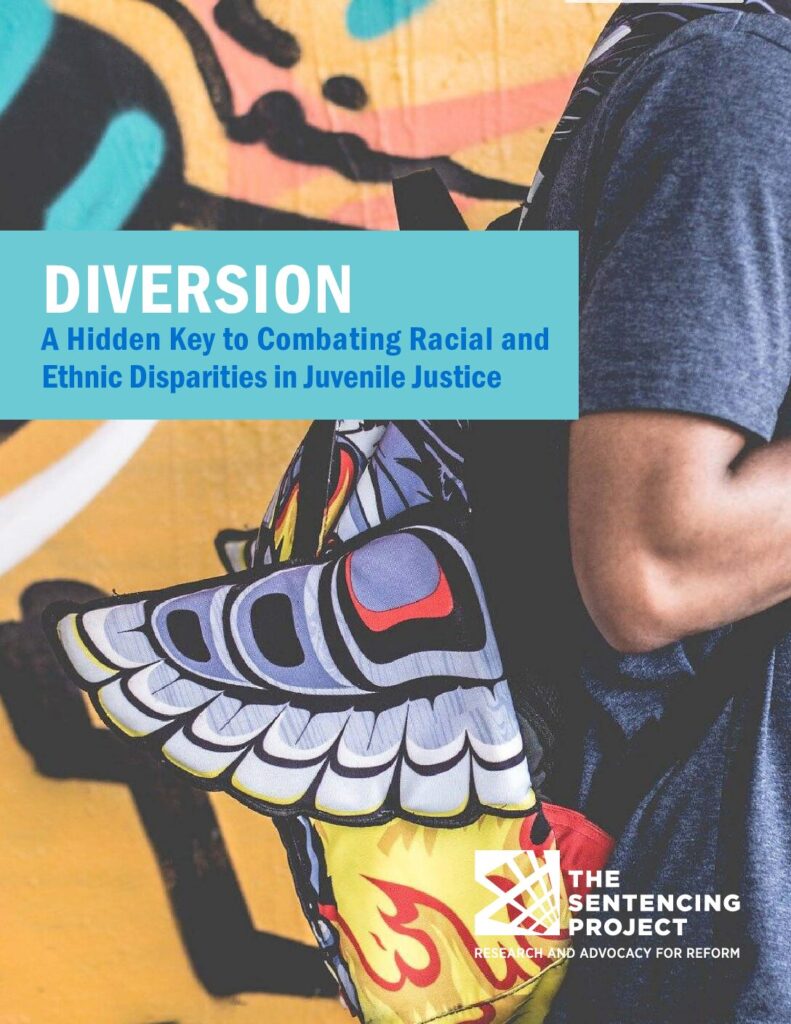
This report from The Sentencing Project discusses the state of diversion for youth in the juvenile legal system, existing disparities in diversion and why they are so severe, and strategies for expanding diversion. From the Summary: “Diverting youth from juvenile court involvement should be a central focus in efforts to reduce racial and ethnic disparities…

The New York Supreme Court Appellate Division reversed the guilty plea and conviction of Mr. Thorne after the court denied his motion to suppress, finding that the arresting officers lacked requisite reasonable suspicion to stop him. The Court, citing several inconsistencies in the radio description of the assailant compared to Mr. Thorne, offered the following language in support: “The officers did not have reasonable…

This article traces the history of racist gun laws and how they interact with the Second Amendment, highlighting the racially disproportionate impact of gun charges on Black and Latine communities. Relevant language from the article includes: “As the courts increasingly look to history and tradition to determine the scope of the right to keep and…
This article from Urban Science evaluates the success rate of the Advance Peace Sacramento gun crime reduction program and concludes that Advance Peace is a model for “urban public safety that combines inter-personal healing and community crime reduction. Abstract: “Urban gun violence is a critical human health and social justice issue. Strategies to reduce urban…

From the introduction: “One of our goals in producing this report is to inform school administrators, board members, and parent and student stakeholders, giving details about which groups of students are disproportionately arrested and about the gaps that exist in data reporting. We also want to provide guidance on how to address these issues. We…

On December 21, 2021, the DOJ released its investigation of the Connecticut Manson Youth Institution, finding that the conditions violate young people’s rights under the Eighth and Fourteenth Amendments and the Individuals with Disabilities Education Act. In its Investigation, the DOJ stated “specifically, we find that Manson’s isolation practices and inadequate mental health services seriously…

This brief by the Black Attorneys of Legal Aid, Bronx Defenders, and Brooklyn Defenders was filed in support of petitioners in the Bruen case. The brief points to the racialized history of denying Black and Latine people lawful licenses to carry guns and outlines racial disparities in gun possession cases. Amici submit this brief “because we…

From the conclusion: “Washington, DC has severe racial disparities in its justice-involved population. That should alarm local leadership and its residents. These disparities are rooted in policing practices that target communities of color, a lack of investment and opportunity in historically disadvantaged neighborhoods, and an overly punitive sentencing, parole, and corrections system. The current system…
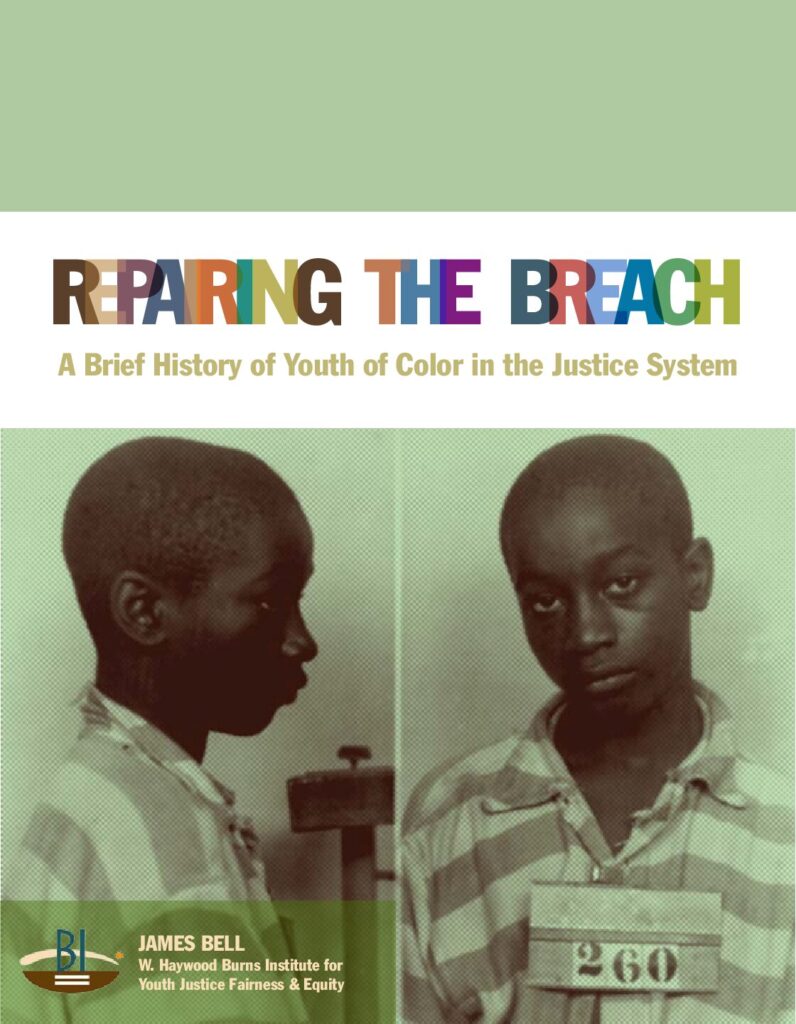
The W. Haywood Burns Institute for Youth Justice Fairness & Equity released a report outlining the history of how youth of color have been treated in the juvenile legal system over time as a framework for meaningfully engaging in the fight against mass incarceration. “Trying to meaningfully address the unacceptable levels of racial and ethnic…

From the introduction: “Justice Policy Institute found that the average cost of the most expensive confinement option for a young person in 48 states was $588 per day, or $214,620 per year. The data show that in 40 states taxpayers spend at least $100,000 a year for a single young person’s confinement, and in 12…

From the introduction: “Communities across the country have come together to demand meaningful changes to law enforcement practices in the wake of the tragic murders of George Floyd, Breonna Taylor, and Rayshard Brooks at the hands of the police. The focus has rightly been on how deadly police actions have had an outsized impact on…
From the Abstract: “Technical probation violations are common among probation-involved youth and, across many jurisdictions, may result in detention or residential placement. The current study examined prevalence of technical violations occurring during one’s first probation period, the average time to technical violation, and individual-level and justice-related factors related to technical violations among probation-involved youth in…

From the conclusion: “Maryland has the most extreme racial disparities for those incarcerated for long terms in the United States. That should alarm Maryland leadership and its residents. These disparities are rooted in policing practices that target communities of color, a lack of investment and opportunity in historically disadvantaged neighborhoods, and an overly punitive sentencing,…

This Article explores how race functions to ascribe and criminalize disability. It posits that for White students in wealthy schools, disabilities or perceived disabilities are often viewed as medical conditions and treated with care and resources. For students of color, however, the construction of disability (if it exists) may be a criminalized condition that is…

From the executive summary: ‘This comprehensive study of 804 New York City public middle and high schools sought to isolate the independent impacts of suspension, as well as to disentangle the effects, if any, of student, school, and neighborhood characteristics. Conversely, the study also explored the relationship of restorative justice and other positive practices to…

- « Previous
- 1
- 2
- 3
- 4
- Next »
